
For many people, dr. oz pink gelatin recipe keeps appearing in online searches and social media discussions. It is often described as a simple homemade gelatin mixture made with fruit juice and unflavored gelatin, commonly linked to joint support and wellness conversations.
In recent years, many Americans have started looking up dr. oz pink gelatin recipe after hearing claims about collagen, mobility, and easy at home remedies. The recipe is typically associated with television discussions about gelatin’s connection to collagen production and connective tissue health. Because it uses inexpensive and accessible ingredients, it has gained popularity among people seeking straightforward, food based approaches to daily wellness.
Search interest often spikes when wellness trends resurface online. Short videos, blog posts, and community forums frequently reference the recipe as a “traditional” or “old school” method that is easy to prepare and budget friendly.
This article explains what the recipe actually is, where it came from, what ingredients are typically used, and how it is prepared step by step. It also explores the common claims surrounding it and provides a neutral, evidence based perspective.
What Is the dr. oz pink gelatin recipe?
The dr. oz pink gelatin recipe is a simple homemade gelatin dessert made by combining unflavored gelatin with fruit juice, usually a pink colored juice such as cranberry, cherry, or pomegranate. The mixture is dissolved in warm liquid, poured into a dish, and refrigerated until firm.
Unlike store bought flavored gelatin desserts, this version typically avoids added artificial colors and flavors. The pink color comes naturally from the juice used. The key ingredient is unflavored gelatin, which is derived from collagen found in animal connective tissue. When dissolved in hot liquid and cooled, it forms a soft, firm gel.
The recipe became widely associated with television discussions about nutrition and joint health. Although it resembles a basic gelatin dessert, it is often presented in wellness conversations as a way to increase dietary collagen intake.
It is important to clarify that this is simply a food recipe not a medication or treatment. While gelatin contains amino acids that are components of collagen, eating gelatin does not directly “replace” collagen in specific joints. The body breaks it down during digestion before using the amino acids as needed.
At its core, this recipe is:
- A homemade gelatin based dish
- Made with fruit juice and unflavored gelatin
- Refrigerated until firm
- Typically consumed in small daily portions
Its simplicity is a major reason it continues to attract interest.dr ashton gelatin trick recipe you need to know
Where Did the Recipe Originate?
The dr. oz pink gelatin recipe gained attention after being discussed on daytime television health segments, particularly those connected to Dr. Mehmet Oz. During various wellness conversations, gelatin was mentioned in relation to collagen and connective tissue support. Over time, viewers began sharing simplified versions of the recipe online.
While gelatin desserts have existed in American kitchens for generations, the modern version linked to Dr. Oz appears to have evolved from broader discussions about collagen nutrition rather than from a single official cookbook recipe. Food historians note that homemade gelatin mixtures were common throughout the 20th century, especially before pre flavored boxed gelatin became widely popular.
The “pink” variation likely became standard because juices like cranberry or cherry are both visually appealing and widely available in U.S. grocery stores. The bright color makes the dish look similar to commercial gelatin desserts while maintaining a more natural ingredient list.
Interest surged again when collagen supplements became popular in the U.S. wellness market. Because gelatin is a cooked form of collagen, many people began revisiting older food based methods instead of purchasing powders or capsules.
Today, the recipe spreads primarily through blogs, video platforms, and health forums. It has evolved into a simple, budget friendly version that reflects broader interest in food based collagen sources rather than a formally standardized medical recommendation.
Typical Ingredients Used in dr. oz pink gelatin recipe
The dr. oz pink gelatin recipe is known for its short and simple ingredient list. Most versions use only two to four basic ingredients, which makes it accessible and inexpensive for U.S. households.
Here are the ingredients typically included in the dr. oz pink gelatin recipe:
- 100% fruit juice (commonly cranberry, cherry, or pomegranate)
- Unflavored gelatin powder
- Water (optional, depending on sweetness preference)
- Optional: fresh fruit pieces for texture
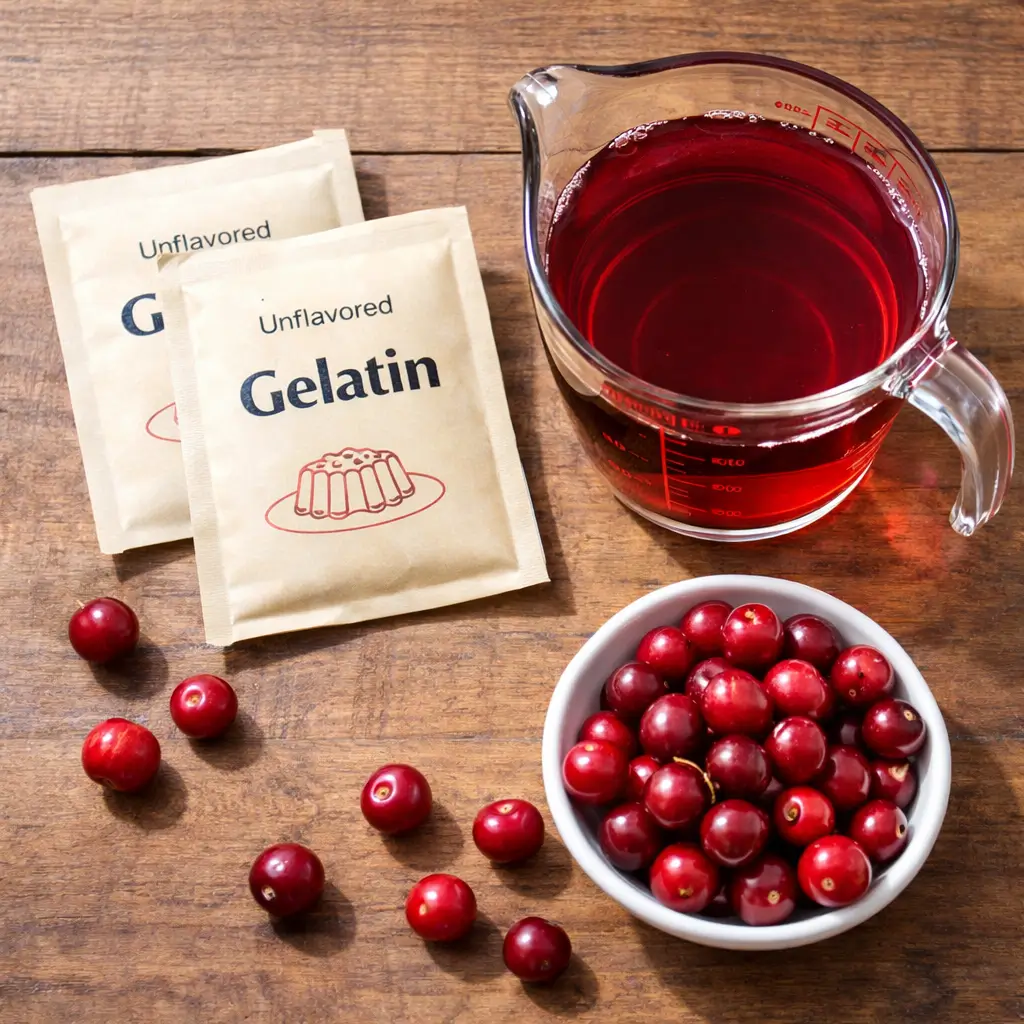
The main component of the dr. oz pink gelatin recipe is unflavored gelatin. This ingredient contains protein derived from collagen and is responsible for the firm, jiggly texture once chilled. It is important to use plain, unflavored gelatin rather than pre sweetened gelatin mixes, since those contain added sugar, artificial colors, and flavorings.
The fruit juice provides both flavor and color. Most people choose a naturally pink or red juice to maintain the recognizable appearance of the dr. oz pink gelatin recipe. Some variations dilute the juice with water to reduce sugar content or sweetness.
Because ingredient quality varies, many people prefer juices labeled “100% juice” without added sugars. The recipe remains flexible, but its simplicity is one reason the dr. oz pink gelatin recipe continues to trend in wellness discussions.
Step by Step Preparation Guide
Preparing the dr. oz pink gelatin recipe at home requires only a few basic steps. Because the process depends on properly dissolving gelatin, temperature control is important for the final texture.
Below is a clear preparation method for the dr. oz pink gelatin recipe:
Step 1: Measure the Liquid
Pour 2 cups of 100% pink fruit juice into a saucepan. If you prefer a lighter flavor, replace up to ½ cup of juice with water.
Step 2: Bloom the Gelatin
Sprinkle 2 tablespoons of unflavored gelatin evenly over ½ cup of cool juice. Let it sit for 5 minutes. This step, called blooming, allows the gelatin to absorb liquid before heating.
Step 3: Heat Gently
Warm the remaining juice in a saucepan over low heat. Do not boil. Once warm, stir in the bloomed gelatin mixture. Continue stirring until fully dissolved.
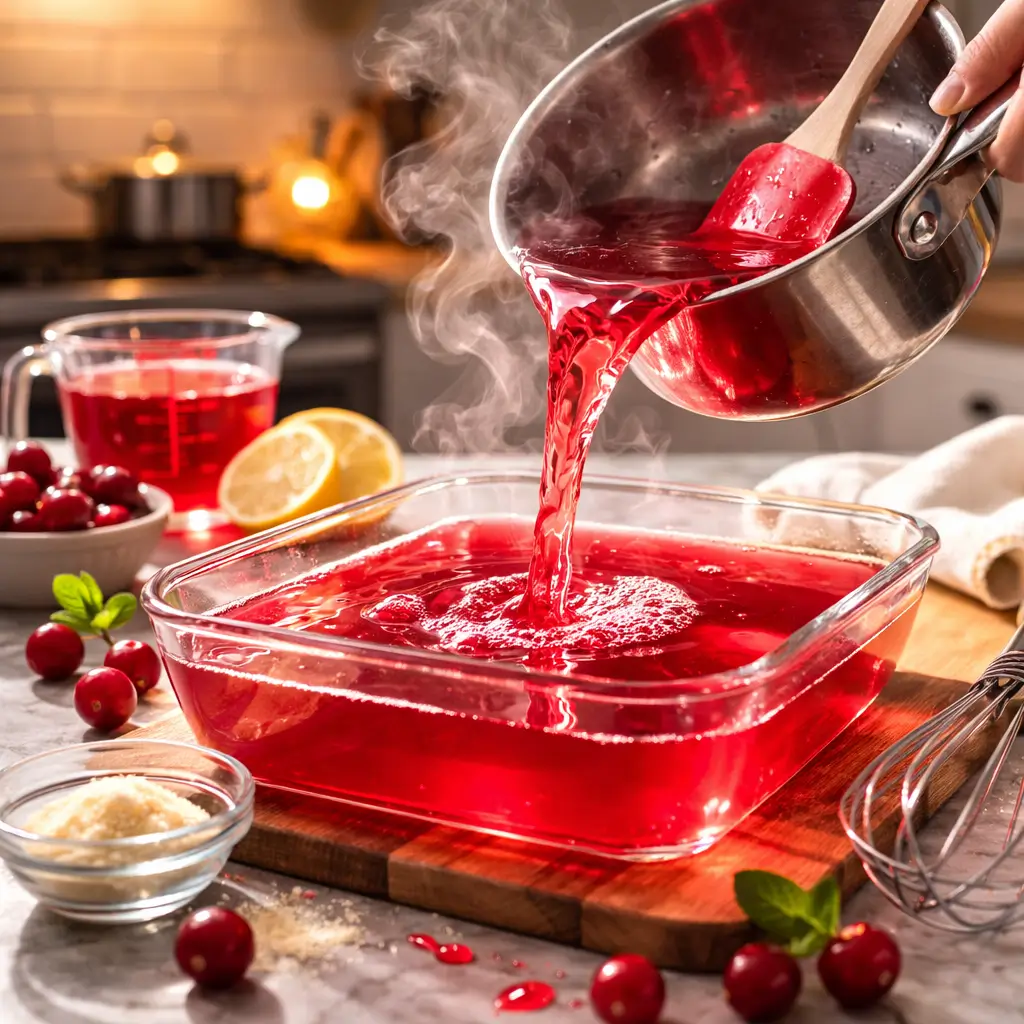
Step 4: Pour and Chill
Remove from heat and pour into a glass dish or molds. Refrigerate for at least 3–4 hours until firm.
Step 5: Serve
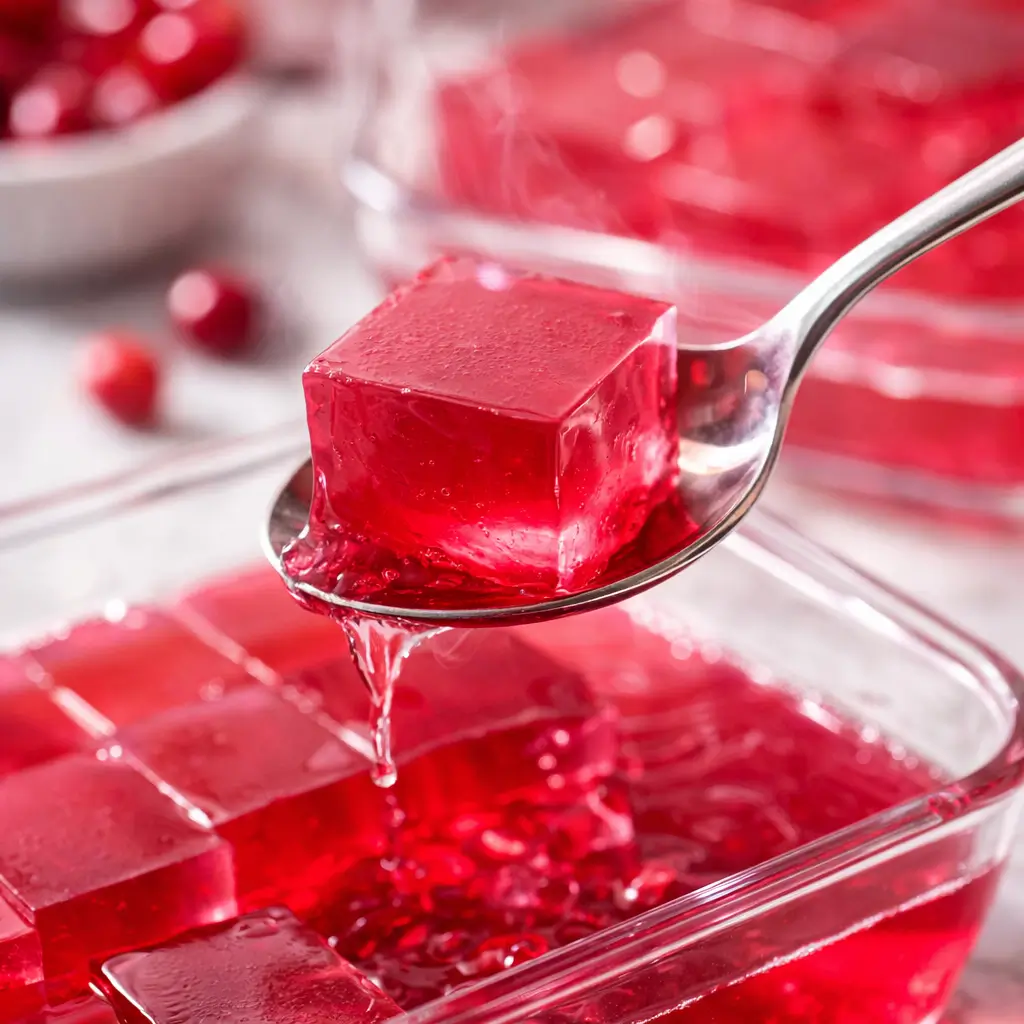
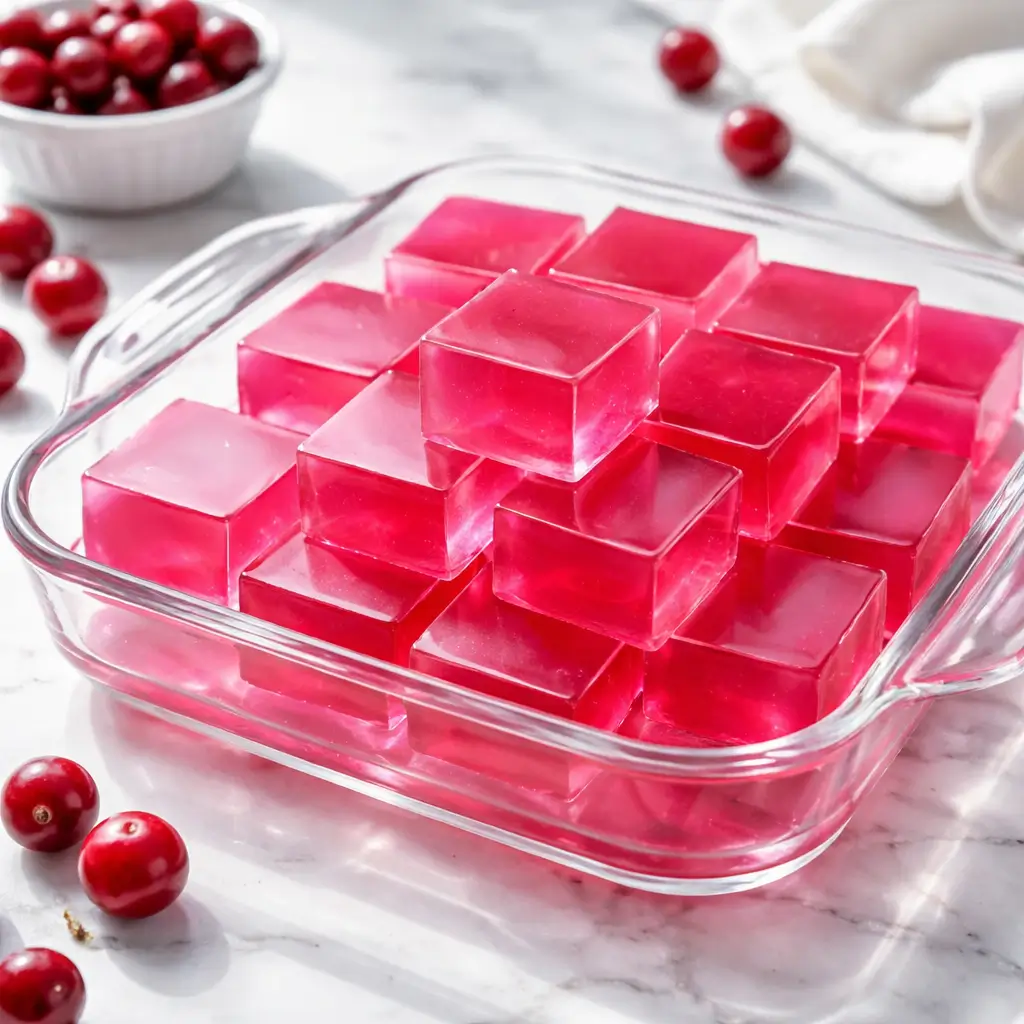
Cut into small squares and store in the refrigerator for up to 5 days.
Preparation Overview
| Step | Action | Why It Matters |
|---|---|---|
| 1 | Measure juice | Controls sweetness and texture |
| 2 | Bloom gelatin | Prevents clumping |
| 3 | Heat gently | Ensures smooth consistency |
| 4 | Chill | Allows gel structure to form |
When prepared correctly, the dr. oz pink gelatin recipe should be firm yet smooth, without lumps or separation. Consistency depends on proper blooming and avoiding high heat.
Why People Are Searching for dr. oz pink gelatin recipe
Search interest in dr. oz pink gelatin recipe is largely driven by conversations about collagen, joint comfort, and simple at home wellness habits. Many people encounter the dr. oz pink gelatin recipe through short videos, blogs, or online forums that suggest it may support connective tissue health.
One major reason the dr. oz pink gelatin recipe trends periodically is the growing popularity of collagen supplements in the United States. As collagen powders and capsules became more visible in stores, some consumers began looking for food based alternatives. Because gelatin is derived from collagen, the dr. oz pink gelatin recipe is often discussed as a traditional, budget friendly option.
Another factor influencing search volume is curiosity. The name itself generates interest. When viewers hear about the dr. oz pink gelatin recipe in media clips or social discussions, they often search for exact instructions and clarification about its purpose.
Some people are also looking for:
- A simple protein containing snack
- A homemade alternative to packaged gelatin desserts
- A recipe linked to television health discussions
- Information about whether the claims are supported by evidence
Importantly, search trends show that many users are not just looking for instructions they want balanced information. They want to understand what the dr. oz pink gelatin recipe actually is, what it may realistically offer, and where limitations exist.
This informational intent explains why clear, neutral explanations are essential when discussing the dr. oz pink gelatin recipe.
Common Claims Associated With dr. oz pink gelatin recipe
The dr. oz pink gelatin recipe is often connected to broader claims about collagen and connective tissue health. Online discussions sometimes suggest that regularly consuming the dr. oz pink gelatin recipe may support joints, skin elasticity, hair strength, or overall mobility. These claims typically stem from the fact that gelatin contains amino acids such as glycine and proline, which are components of collagen.
Below is a summary of common claims linked to the dr. oz pink gelatin recipe:
| Claim | What It Means | Evidence Status |
|---|---|---|
| Supports joint comfort | May help maintain cartilage structure | Limited and mixed evidence |
| Promotes skin elasticity | Collagen related nutrient source | Indirect evidence only |
| Strengthens hair and nails | Provides structural protein components | Not well established |
| Aids digestion | Traditional use in some diets | Limited research |
It is important to understand that when someone eats the dr. oz pink gelatin recipe, the body digests gelatin into individual amino acids. These amino acids are then used wherever the body needs protein. Eating gelatin does not automatically direct collagen to specific joints or tissues.
Some small studies suggest that collagen derived proteins may play a role in joint health when combined with balanced nutrition and physical activity. However, research findings are not conclusive enough to treat the dr. oz pink gelatin recipe as a medical solution.
In summary, while the dr. oz pink gelatin recipe provides protein and collagen derived amino acids, the claims surrounding it should be viewed with cautious neutrality rather than certainty.
Potential Benefits and Realistic Limitations
The dr. oz pink gelatin recipe is often described as a simple way to include gelatin in the diet. From a nutritional perspective, gelatin is primarily a source of protein. It contains specific amino acids that are building blocks of collagen, which plays a structural role in the body.
One potential benefit of the dr. oz pink gelatin recipe is that it offers a low cost, food based source of gelatin compared to some commercial supplements. It can also serve as a light dessert alternative when made with 100% juice and without added sugars. For individuals looking to reduce processed foods, the dr. oz pink gelatin recipe may feel like a straightforward homemade option.
However, there are clear limitations to understand. When consumed, gelatin is broken down during digestion into amino acids. The body then redistributes those amino acids according to overall protein needs. The dr. oz pink gelatin recipe does not specifically target joints, skin, or any single body part.
Additionally, juice based versions may contain natural sugars. For people monitoring sugar intake, portion size matters. The recipe should be considered part of an overall balanced diet rather than a replacement for medical care or targeted treatment.
In realistic terms, the dr. oz pink gelatin recipe is a simple protein containing food not a guaranteed solution for specific health outcomes.
Nutritional Profile of dr. oz pink gelatin recipe
Understanding the nutritional composition of the dr. oz pink gelatin recipe helps clarify what it realistically provides. The exact values depend on the type of juice used and the amount of gelatin added, but the primary nutrients come from protein (gelatin) and carbohydrates (fruit juice).
Below is a general nutritional estimate per small serving (about ½ cup) of the dr. oz pink gelatin recipe made with 100% cranberry juice and unflavored gelatin:
| Nutrient | Approximate Amount | Source |
|---|---|---|
| Calories | 70 to 100 | Fruit juice |
| Protein | 5 to 7 grams | Gelatin |
| Carbohydrates | 15 to 20 grams | Fruit juice |
| Sugar | 14 to 18 grams | Natural fruit sugars |
| Fat | 0 grams | None |
The protein in the dr. oz pink gelatin recipe comes entirely from gelatin, which is not a complete protein because it lacks certain essential amino acids. This means it should not replace diverse protein sources such as beans, dairy, fish, poultry, or plant based proteins.
The carbohydrate content depends on the juice selected. Some juices contain higher natural sugar levels than others. Choosing diluted or lower sugar options can reduce total sugar per serving.
Overall, the dr. oz pink gelatin recipe provides moderate protein in a small portion, but it should be viewed as a supplemental protein source rather than a primary one.
Variations of dr. oz pink gelatin recipe
Although the original dr. oz pink gelatin recipe is simple, many home cooks modify it based on taste preferences, dietary needs, or ingredient availability. These variations do not change the basic preparation method but adjust flavor, sweetness, or texture.
One common variation of the dr. oz pink gelatin recipe uses diluted juice to reduce natural sugar content. Replacing part of the juice with filtered water maintains structure while lowering overall sweetness. Others prefer tart juices like cranberry to balance the gelatin’s mild flavor.
Some people preparing the dr. oz pink gelatin recipe add fresh fruit pieces such as strawberries or raspberries before refrigeration. This changes texture but keeps the base recipe intact. However, certain fresh fruits like pineapple or kiwi contain enzymes that can prevent gelatin from setting unless they are cooked first.
Another variation involves adding a small amount of lemon juice to brighten flavor without increasing sugar. Some individuals also experiment with herbal tea blends in place of part of the juice for a lighter profile.
Here is a comparison of common variations:
| Variation | Purpose | Result |
|---|---|---|
| Diluted juice | Reduce sugar | Milder sweetness |
| Added berries | Texture & flavor | Chunkier consistency |
| Lemon juice | Enhance tartness | Brighter taste |
| Herbal tea mix | Lower calories | Lighter flavor |
Each version of the dr. oz pink gelatin recipe maintains the same base technique while allowing flexibility for personal preference.
Who Might Consider Trying dr. oz pink gelatin recipe?
The dr. oz pink gelatin recipe is typically explored by individuals interested in simple, food based wellness habits. Many people who search for the dr. oz pink gelatin recipe are looking for alternatives to commercial collagen powders or packaged desserts.
Some groups that may consider the dr. oz pink gelatin recipe include:
- Adults curious about dietary collagen sources
- Individuals seeking a homemade gelatin dessert
- People interested in traditional kitchen remedies
- Those looking for a moderate protein snack option
Because the dr. oz pink gelatin recipe contains gelatin derived from animal sources, it is not suitable for vegetarians or vegans. Plant based gelatin substitutes like agar agar do not provide collagen derived protein and therefore serve a different purpose nutritionally.
It is also important to note that the dr. oz pink gelatin recipe should not replace professional medical advice. Individuals with dietary restrictions, chronic conditions, or protein related health concerns should consult a qualified healthcare provider before making significant changes to their diet.
In general, the dr. oz pink gelatin recipe can fit into a balanced eating pattern when consumed in moderation. However, it is best viewed as a simple food choice rather than a targeted health intervention.
How dr. oz pink gelatin recipe Fits Into a Balanced Diet
The dr. oz pink gelatin recipe can be incorporated into a balanced diet when viewed as one small component of overall nutrition. It provides protein from gelatin and carbohydrates from fruit juice, but it does not supply fiber, essential fats, or a complete amino acid profile.
When adding the dr. oz pink gelatin recipe to a weekly meal plan, portion size matters. A small square or half cup serving can function as a light dessert or snack. Pairing it with other nutrient dense foods such as yogurt, nuts, or a balanced meal helps create more complete nutrition.
For individuals focused on protein intake, it is important to understand that the dr. oz pink gelatin recipe should supplement, not replace, diverse protein sources. Lean meats, legumes, dairy, eggs, and plant based proteins offer a broader range of essential amino acids.
Here is a simple comparison of how the dr. oz pink gelatin recipe fits nutritionally:
| Food | Protein Quality | Fiber | Main Benefit |
|---|---|---|---|
| Pink gelatin recipe | Incomplete protein | None | Collagen derived amino acids |
| Greek yogurt | Complete protein | None | High quality protein |
| Lentils | Complete (with variety) | High | Fiber + plant protein |
The dr. oz pink gelatin recipe works best as a complementary food rather than a central protein source.
Frequently Asked Questions About dr. oz pink gelatin recipe
Below are common questions people in the United States search when looking up the dr. oz pink gelatin recipe.
1. Is the dr. oz pink gelatin recipe the same as collagen supplements?
No. The dr. oz pink gelatin recipe uses unflavored gelatin, which is derived from collagen. While both provide collagen related amino acids, supplements are typically hydrolyzed (broken down into smaller peptides), which may affect absorption. The recipe is a whole food version and not a concentrated supplement. It should be viewed as a food choice rather than a replacement for medical or nutritional treatment.
2. How often do people eat the dr. oz pink gelatin recipe?
Online discussions commonly mention small daily portions, such as one serving per day. However, there is no standardized guideline. Because the dr. oz pink gelatin recipe contains natural sugars from juice, moderation is important. It should fit within overall dietary needs and calorie goals.
3. Does the dr. oz pink gelatin recipe help joints?
Some people associate gelatin with joint support because it contains amino acids found in collagen. However, eating the dr. oz pink gelatin recipe does not directly target joints. The body digests gelatin into amino acids and distributes them as needed. Scientific evidence on direct joint benefits remains limited and mixed.
4. Can I use any juice in the dr. oz pink gelatin recipe?
Yes, but results may vary. Most versions use cranberry, cherry, or pomegranate juice for color and flavor. Avoid fresh pineapple or kiwi unless cooked first, as natural enzymes can prevent gelatin from setting. The dr. oz pink gelatin recipe works best with 100% juice without added sugar.
5. Is the dr. oz pink gelatin recipe safe for everyone?
For most healthy adults, the dr. oz pink gelatin recipe is generally safe when consumed in moderation. However, it contains animal derived gelatin and natural fruit sugars. Individuals with dietary restrictions, diabetes, or specific medical conditions should consult a healthcare professional before making dietary changes.
Final Thoughts and Practical Takeaways
The pink gelatin recipe often linked to Dr. Oz continues to circulate because it is simple, affordable, and easy to prepare at home. At its core, it is a homemade gelatin dish made with fruit juice and unflavored gelatin, offering a modest source of protein in a familiar dessert style format.
Much of the interest surrounding this recipe is tied to broader conversations about collagen and connective tissue health. While gelatin does contain amino acids that are components of collagen, it is important to maintain realistic expectations. The body digests gelatin into amino acids and uses them where needed. It does not selectively deliver collagen to specific joints or tissues.
From a practical standpoint, this recipe can be enjoyed as a light snack or dessert when prepared with 100% juice and moderate portions. It may appeal to individuals who prefer food based approaches rather than packaged supplements.
Ultimately, this is a simple kitchen preparation not a medical treatment. Balanced nutrition, regular physical activity, and professional medical guidance remain the foundation of long term health decisions.
Conclusion
Interest in this pink gelatin recipe continues to grow because it combines simplicity, affordability, and familiarity. Made with fruit juice and unflavored gelatin, it offers a modest source of protein in a dessert style format that many people already enjoy. Its popularity is largely connected to conversations about collagen and joint health, which frequently trend in wellness spaces.
While gelatin contains amino acids that are components of collagen, it is important to keep expectations realistic. After digestion, those amino acids are distributed throughout the body based on overall nutritional needs. No food can precisely target one specific joint or tissue. Current research suggests that collagen derived proteins may play a supportive role within a balanced diet, but they are not a cure or guaranteed solution.
For those who choose to prepare it, this recipe can fit into a varied eating pattern when consumed in moderation. As with any dietary habit, long term health depends on overall nutrition, movement, and professional medical guidance when needed.
FAQ
1. What is the purpose of this pink gelatin recipe?
This recipe is typically prepared as a homemade source of gelatin, which contains collagen derived protein. Many people explore it after hearing discussions about connective tissue or joint support. However, it is fundamentally a food recipe rather than a treatment. It can serve as a light snack or dessert while contributing a small amount of protein. Any potential wellness benefit should be viewed in the context of overall diet and lifestyle, not as a standalone solution.
2. Is gelatin the same as collagen?
Gelatin is derived from collagen through a heating process. Both come from animal connective tissues, but they are processed differently. When consumed, gelatin is broken down into amino acids, which the body then uses wherever protein is needed. It does not travel directly to specific joints or skin areas. While related, gelatin and collagen supplements are not identical in structure or processing methods.
3. Can this recipe replace collagen supplements?
No. Although gelatin contains collagen related amino acids, it is not as concentrated as many commercial supplements. Supplements often contain hydrolyzed collagen peptides, which are processed differently. This homemade version can be part of a balanced diet but should not be considered a replacement for medical treatment or professional nutritional advice.
4. Are there any risks in eating gelatin regularly?
For most healthy adults, moderate consumption is generally considered safe. However, it is important to consider overall sugar intake if fruit juice is used. People with specific dietary restrictions, allergies, or medical conditions should speak with a healthcare professional before adding new foods regularly. Portion control and balance remain important.
5. Why has this recipe become popular again?
Interest has resurfaced due to renewed focus on collagen, joint health, and food based wellness habits. Social media, blogs, and video platforms often highlight simple, affordable recipes tied to familiar television discussions. Curiosity and accessibility both contribute to recurring search trends.
Follow Us Facebook
dr. oz pink gelatin recipe
Ingredients
Equipment
Method
- Pour ½ cup cool juice into a small bowl and sprinkle gelatin evenly over it. Let sit for 5 minutes to bloom.
- Warm the remaining juice in a saucepan over low heat without boiling.
- Add the bloomed gelatin to the warm juice and whisk until fully dissolved.
- Remove from heat and stir in lemon juice if using.
- Pour into a glass dish and refrigerate for at least 4 hours until firm.
- Cut into squares and store refrigerated up to 5 days.
Notes
- Use 100% fruit juice (no added sugar).
- Do not boil after adding gelatin.
- Bloom gelatin in cool liquid first.
- Avoid raw pineapple or kiwi (unless cooked).
- Refrigerate up to 5 days.
- Dilute with water to reduce sugar if desired.
- Cut into small portions for easy serving.