
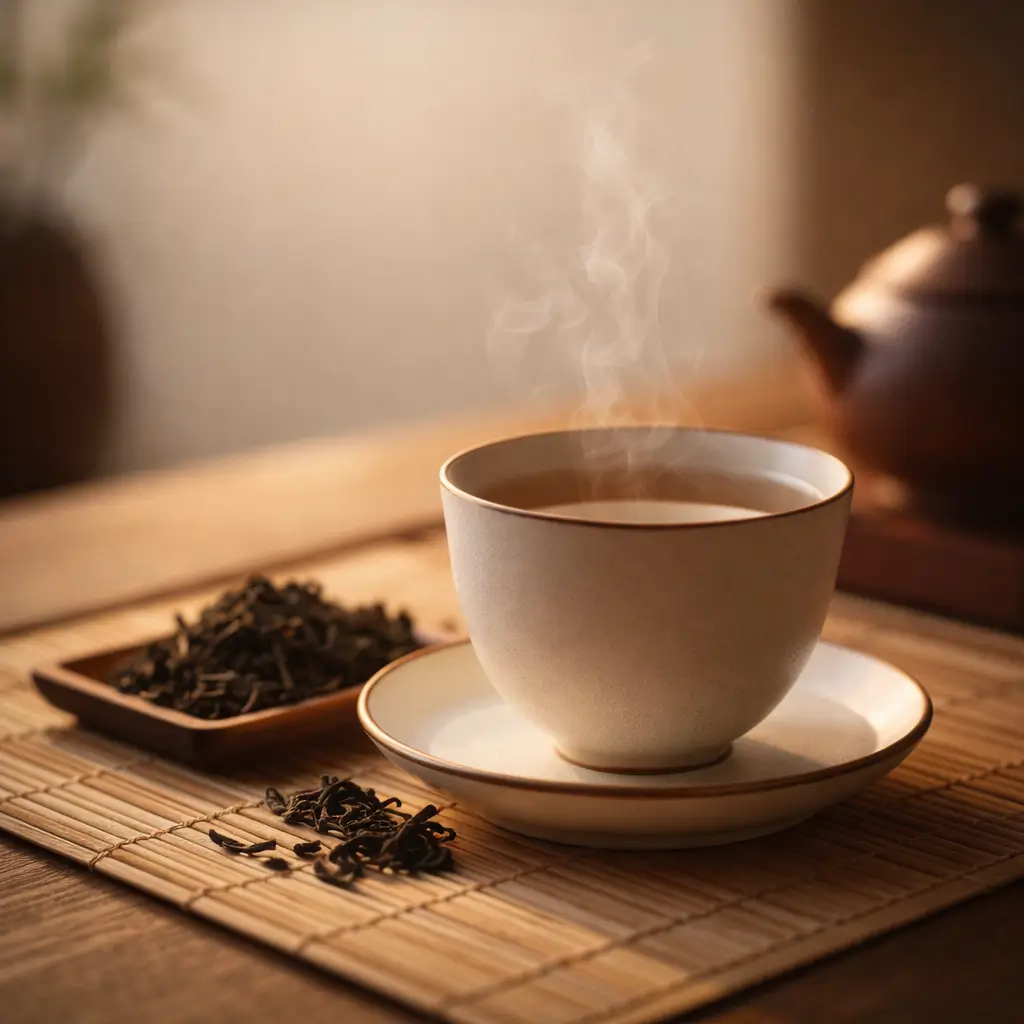
For many tea lovers, pulhia tea represents a fascinating entry into the world of traditional and lesser known tea varieties. While it may not appear as frequently as green or black tea in everyday discussions, pulhia tea is often associated with traditional tea culture, craftsmanship, and regional tea practices that have developed over time.
In recent years many curious tea drinkers in the United States have started exploring pulhia tea as they search for unique teas with distinctive flavor and cultural significance. Interest in specialty teas has grown as people learn more about how different teas are produced, how they taste, and how they fit into historical tea traditions.
Pulhia tea is often discussed in conversations about traditional tea preparation and the influence of processing techniques on flavor development. Learning about where pulhia tea comes from, how it is made, and how it is typically prepared can help readers understand why it stands out among many other tea varieties.
This guide explains the origins of pulhia tea, its characteristics, preparation methods, cultural background, and common questions people ask when discovering this tea for the first time.
What Is pulhia tea
pulhia tea refers to a traditional tea variety that is often discussed within the broader world of fermented and aged teas. It is typically associated with regions where tea production has developed strong cultural traditions and specialized processing techniques. Unlike many everyday teas that are consumed soon after production, pulhia tea is often known for undergoing a transformation in flavor over time.Recipe for Making Apple Wine: What You Need to Know
The identity of pulhia tea is closely connected to how it is processed after harvesting. Fresh tea leaves are usually picked from tea plants grown in suitable climates where soil conditions and weather influence the final character of the tea. After harvesting, the leaves are processed through steps that may include drying, shaping, controlled oxidation, and sometimes aging. These steps help develop the tea’s distinctive flavor and aroma.
One reason pulhia tea draws attention among tea enthusiasts is its evolving character. Many teas have a stable flavor soon after production, but pulhia tea is often valued for how its taste can change gradually. This process can create deeper flavors and a smoother drinking experience as the tea matures.
Tea drinkers who explore traditional teas often describe pulhia tea as part of a category that emphasizes craftsmanship and patience. The production process may involve careful control of temperature, moisture, and storage conditions to ensure the tea develops desirable characteristics.
For people new to specialty teas, pulhia tea can be an interesting example of how tea processing methods influence taste, aroma, and overall experience. Understanding these fundamentals helps readers appreciate why this tea is frequently discussed in conversations about traditional tea varieties.
Origins and Cultural Background of pulhia tea
Understanding the origins of pulhia tea helps explain why it has gained attention among tea enthusiasts who appreciate traditional tea knowledge and craftsmanship. Tea culture in many regions developed over centuries, and certain tea varieties became closely connected to local customs, agricultural practices, and regional identity.
Pulhia tea is often discussed within the context of traditional tea producing areas where tea plants grow in favorable climates. These regions typically provide rich soil, humid air, and consistent rainfall, all of which support healthy tea cultivation. Farmers harvest tea leaves at specific times of the year to capture the desired flavor and aroma.
Historically, teas similar to pulhia tea were sometimes produced as a way to preserve harvested leaves for longer periods. Techniques such as controlled drying, pressing, or aging allowed tea to remain usable for extended time. Over time these methods evolved into refined production styles that shaped the distinctive identity of the tea.
Cultural traditions also influenced how pulhia tea was stored, prepared, and shared. In many tea cultures, tea drinking became part of daily routines, social gatherings, and ceremonial practices. Preparing and serving tea often reflected hospitality and respect for guests.
Pulhia tea continues to attract attention today because it represents more than just a beverage. It reflects agricultural knowledge, historical trade practices, and cultural appreciation for carefully crafted tea. As interest in specialty teas grows in the United States and around the world, many people are discovering pulhia tea while exploring global tea traditions.
How pulhia tea Is Made
The production of pulhia tea involves several careful steps that influence the final flavor, aroma, and character of the tea. Each stage of processing plays an important role in shaping how the tea develops over time. Although specific techniques can vary depending on the region and producer, the overall process follows a traditional sequence used in many artisanal tea styles.
The first stage begins with harvesting fresh tea leaves. Skilled workers usually pick young leaves and buds because they contain higher concentrations of natural compounds that contribute to flavor and aroma. Timing is important because the season and maturity of the leaves can affect the final taste of pulhia tea.
After harvesting, the leaves are typically spread out to reduce moisture. This stage allows the leaves to soften and begin developing subtle chemical changes that contribute to the tea’s character. Careful handling during this stage helps prevent damage to the leaves.
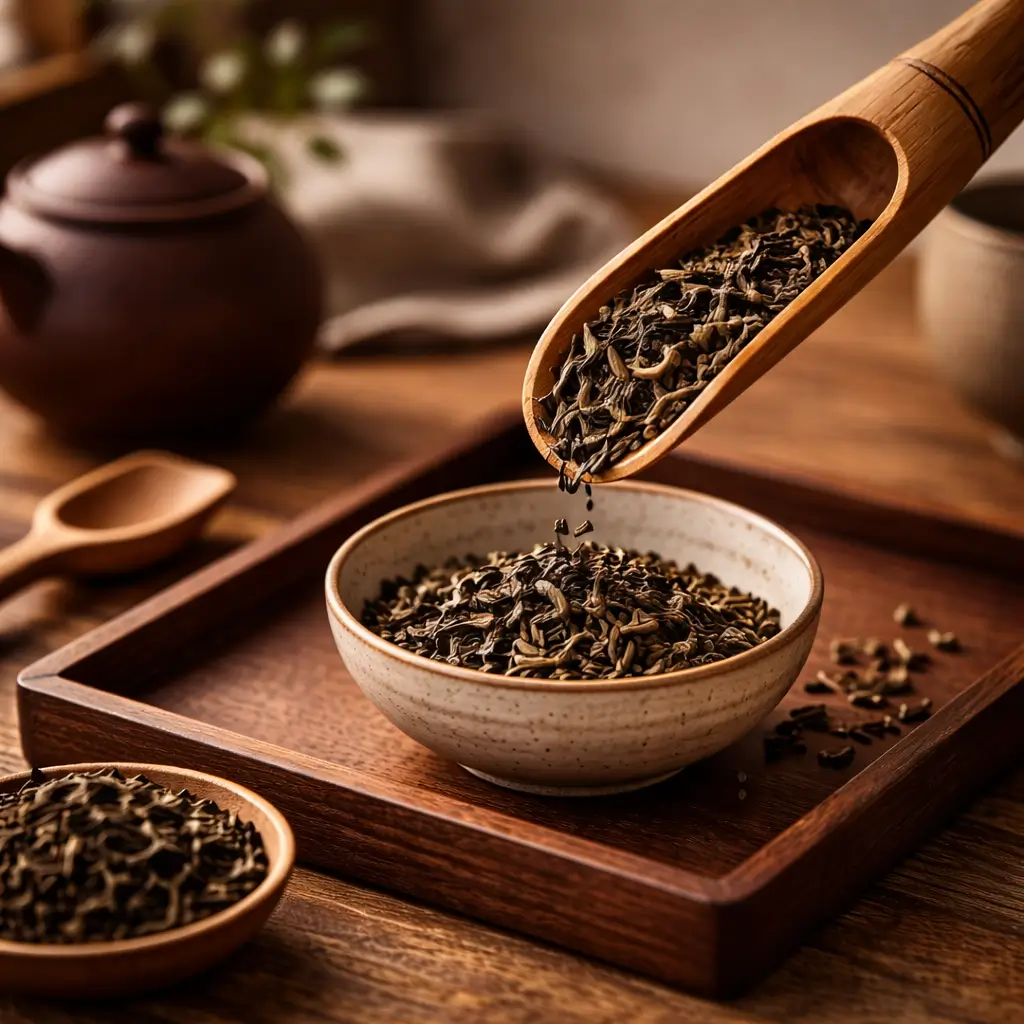
Next comes shaping and controlled processing. The leaves may be gently rolled or compressed, which helps release natural compounds inside the leaves. This step also influences how the tea will age and how the flavors develop during storage.
Another important stage is controlled aging or resting. During this period the tea can slowly develop deeper flavor and smoother texture. Storage conditions such as airflow, humidity, and temperature can influence how pulhia tea evolves.
The following table summarizes the general production stages often associated with pulhia tea.
| Production Stage | Purpose |
|---|---|
| Harvesting | Select young tea leaves with strong flavor potential |
| Moisture reduction | Prepare leaves for further processing |
| Shaping or rolling | Release natural compounds and influence texture |
| Aging or resting | Allow flavors to develop gradually |
These traditional processing methods contribute to the unique identity of pulhia tea and help explain why many tea enthusiasts value it as a distinctive and carefully crafted tea variety.
Flavor Profile and Aroma of pulhia tea
The flavor of pulhia tea is often described as complex and layered. Unlike many common teas that present a single dominant taste, pulhia tea can reveal several subtle flavor notes during a single cup. This characteristic makes it especially interesting for tea drinkers who enjoy paying attention to aroma, texture, and aftertaste.
One of the most noticeable qualities of pulhia tea is its smooth and balanced taste. Many people describe the flavor as earthy, mellow, and slightly rich. Depending on how the tea was processed and stored, some batches may also show gentle woody notes or a mild natural sweetness.
Aroma plays an important role in the overall experience of pulhia tea. When hot water is poured over the leaves, the rising steam often carries warm and comforting scents. These aromas can include subtle hints that remind some drinkers of forest soil, dried leaves, or warm grain.
Another feature many tea enthusiasts notice is the changing flavor during multiple infusions. Pulhia tea leaves can often be brewed more than once. The first infusion may produce a stronger taste, while later infusions reveal softer and smoother notes.
The table below highlights some commonly described characteristics of pulhia tea.
| Flavor Element | Typical Description |
|---|---|
| Taste | Smooth, earthy, mild richness |
| Aroma | Warm, natural, slightly woody |
| Body | Medium to full texture |
| Aftertaste | Clean and lingering |
These flavor characteristics are part of what makes pulhia tea appealing to people who enjoy exploring traditional teas with distinctive and evolving taste profiles.
How to Prepare pulhia tea at Home
Preparing pulhia tea at home is simple once you understand a few basic steps. The goal is to allow the tea leaves to release their natural flavor while maintaining balance and clarity in the cup. Because pulhia tea can be brewed multiple times, careful preparation helps reveal its full character.
Begin by heating fresh water until it is hot but not aggressively boiling. Extremely high temperatures can sometimes overwhelm delicate flavor notes, while properly heated water helps extract the tea’s natural aroma and body.
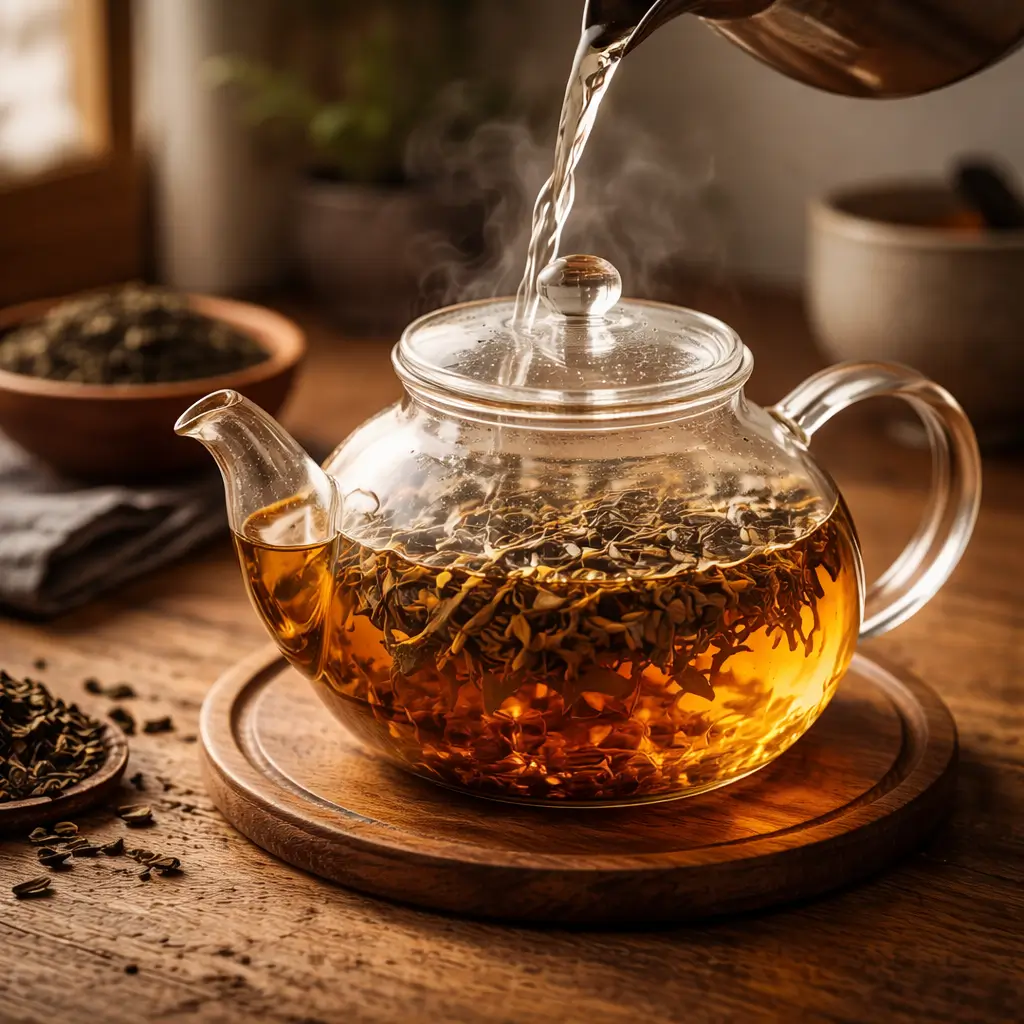
Place the tea leaves into a teapot or a heat safe cup designed for loose leaf tea. Many tea drinkers prefer using loose leaves because they expand during brewing and release flavor gradually. A small amount of leaves is usually enough to prepare one cup.
Next pour the hot water over the leaves and allow them to steep. The steeping time can vary depending on personal taste, but most people start with a short infusion and adjust the time based on the strength they prefer.
Pulhia tea leaves can often be brewed more than once. Each infusion may reveal slightly different flavor notes, which is part of the experience many tea enthusiasts enjoy.
The following table shows a simple preparation guide for pulhia tea.
| Preparation Step | Guidance |
|---|---|
| Water temperature | Hot water just below full boiling |
| Tea quantity | Small portion of loose leaves |
| First steep time | About two to three minutes |
| Additional infusions | Leaves may be brewed several times |
Serving pulhia tea in a warm cup allows its aroma to develop fully. Many people prefer drinking it without added sugar or milk so the natural flavor of the tea remains clear.
How pulhia tea Differs From Other Types of Tea
Many people exploring specialty teas want to understand how pulhia tea compares with more familiar varieties such as green tea, black tea, or oolong tea. While all teas come from the same plant species, differences in processing methods create distinct flavor profiles, textures, and aromas.
One important difference lies in the processing approach. Some teas are designed to preserve fresh vegetal flavors, while others develop deeper notes through controlled oxidation or aging. Pulhia tea is often discussed for its evolving flavor character and its association with traditional processing techniques that allow the tea to develop gradually.
Another difference appears in the taste experience. Green tea often delivers light grassy flavors, while black tea typically has a stronger and more robust profile. Pulhia tea tends to offer a smoother and more rounded flavor that many drinkers describe as earthy and mellow.
The way the tea can be brewed also sets it apart. Many everyday teas are brewed once and then discarded. Pulhia tea leaves can often be infused several times, allowing the drinker to observe subtle changes in flavor with each cup.
The table below compares pulhia tea with several well known tea types.
| Tea Type | Typical Flavor | Processing Style | Brewing Style |
|---|---|---|---|
| pulhia tea | Earthy, smooth, mellow | Traditional processing with gradual flavor development | Multiple infusions |
| Green tea | Fresh, grassy | Minimal oxidation | Usually single or short infusions |
| Black tea | Bold, rich | Full oxidation | Usually one main infusion |
| Oolong tea | Floral, complex | Partial oxidation | Often multiple infusions |
Understanding these differences helps tea drinkers see why pulhia tea is often explored by people interested in traditional tea craftsmanship and unique tasting experiences.
How pulhia tea Is Commonly Consumed
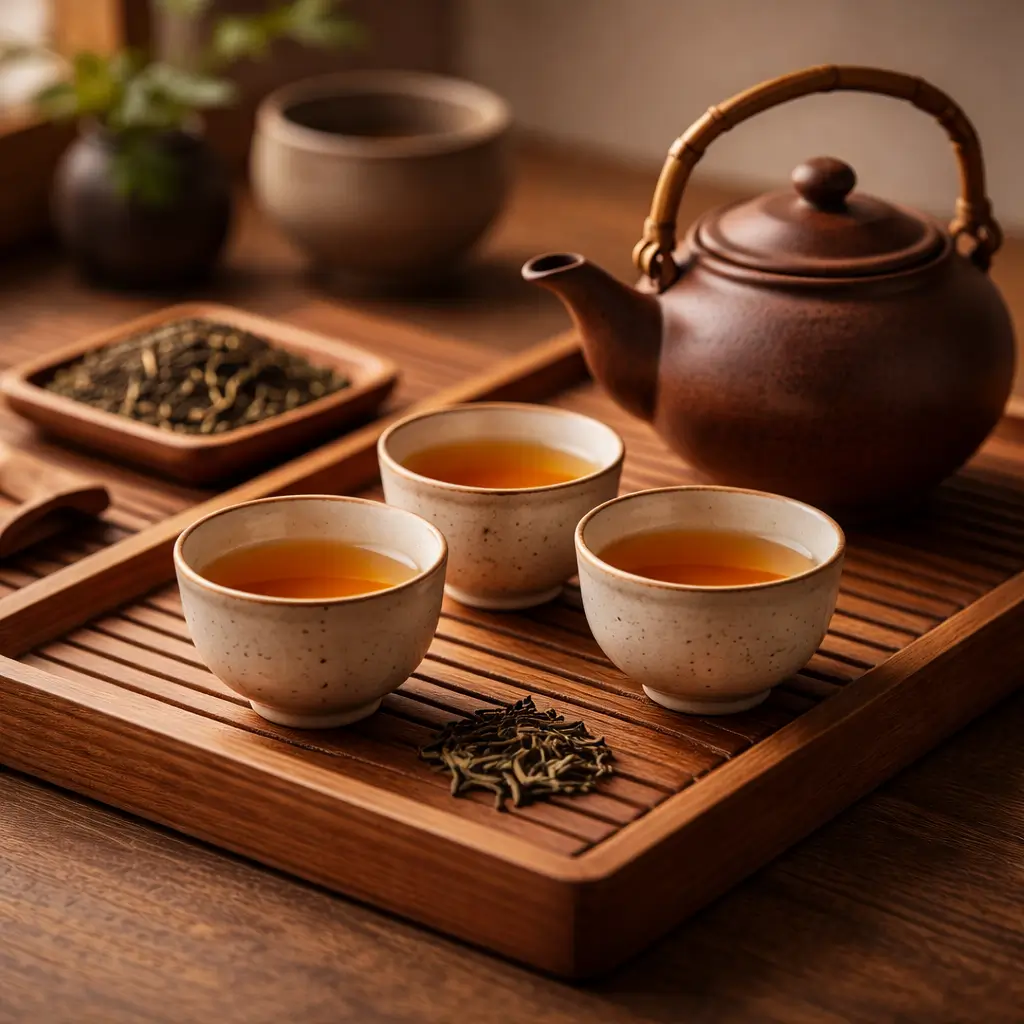
Pulhia tea is usually enjoyed in ways that allow its natural flavor and aroma to stand out. Many tea drinkers prefer drinking it plain without adding sugar, milk, or flavorings. This approach allows the subtle taste and evolving character of pulhia tea to remain clear in each cup.
One common method is traditional loose leaf brewing. In this style the tea leaves are placed in a teapot or small brewing vessel and infused with hot water. Drinkers may pour several short infusions from the same leaves. Each infusion can reveal slightly different flavor notes, making the experience more dynamic.
Pulhia tea is also sometimes prepared in larger teapots for shared drinking. In many tea cultures, serving tea to guests represents hospitality and connection. Sharing several cups of tea during conversation is a common social activity.
Another way people enjoy pulhia tea is through slow and mindful tea sessions. Some tea enthusiasts take time to observe the aroma, color, and taste as the tea develops through multiple infusions. This practice highlights appreciation for the craftsmanship behind the tea.
In the United States, specialty tea shops and home tea drinkers often explore pulhia tea as part of a broader interest in traditional loose leaf teas. As people learn more about different tea styles, many discover pulhia tea while seeking new flavor experiences beyond everyday tea bags.
These consumption habits show how pulhia tea fits into both traditional tea culture and modern tea exploration.
Common Characteristics That Make pulhia tea Unique
Several characteristics help pulhia tea stand out among traditional tea varieties. These features are often discussed by tea drinkers who enjoy exploring teas with distinctive production methods and evolving flavor profiles.
One defining trait of pulhia tea is its ability to develop deeper flavor over time. Unlike many teas that are best consumed soon after production, pulhia tea is often appreciated for how its taste can mature gradually. Storage conditions and time can influence how the flavor becomes smoother and more rounded.
Another characteristic is the texture of the tea when brewed. Many drinkers notice that pulhia tea has a fuller mouthfeel compared with lighter teas. This body can create a more satisfying drinking experience, especially during multiple infusions.
Pulhia tea is also known for its consistent flavor progression during brewing. Each infusion may reveal subtle differences in aroma and taste. This gradual change encourages drinkers to pay attention to the sensory experience rather than treating the tea as a single quick beverage.
Color is another noticeable feature. When brewed, pulhia tea often produces a warm and rich liquid appearance that signals the depth of the tea leaves used in the process.
These characteristics combine to create a tea that many enthusiasts consider both traditional and distinctive. For people exploring specialty teas, pulhia tea offers an example of how processing techniques and time can shape the final experience of a cup of tea.
Preparation Tips for Better pulhia tea Flavor
Preparing pulhia tea can be simple, but a few practical tips can help bring out its best flavor. Because this tea often reveals subtle taste changes through multiple infusions, careful brewing can improve the overall experience.
One helpful tip is to use clean, fresh water. Water quality can affect the taste of any tea. Filtered water is often preferred because it allows the natural flavor of pulhia tea to remain clear and balanced.
Another useful approach is controlling steeping time. If the tea is steeped too long, the flavor may become stronger than desired. Starting with shorter infusions and gradually adjusting the time can help find a balanced taste.
The amount of tea leaves also matters. Using too many leaves may produce a very strong cup, while too few leaves may create a weaker flavor. Many tea drinkers experiment until they find a proportion that matches their personal preference.
The following table summarizes several practical brewing tips for pulhia tea.
| Brewing Factor | Suggested Approach |
|---|---|
| Water quality | Use fresh filtered water when possible |
| Leaf quantity | Start with a small amount of loose leaves |
| Steeping time | Begin with short infusions and adjust |
| Multiple infusions | Reuse leaves to explore changing flavors |
Temperature control is another factor that can improve results. Hot water allows the leaves to open and release aroma gradually, helping the tea develop a smooth and balanced character.
With these small adjustments, many people find that preparing pulhia tea becomes an enjoyable part of their daily tea routine.
Cultural Appreciation and Modern Interest in pulhia tea
Pulhia tea reflects a broader tradition of tea appreciation that has developed over many generations. In many tea producing cultures, tea is not only consumed as a beverage but also valued as part of daily rituals, hospitality, and shared experiences. The preparation and serving of tea often represent patience, respect, and attention to detail.
Historically, teas similar to pulhia tea were sometimes transported across long trade routes. Methods such as careful drying and controlled aging helped preserve the tea during storage and travel. Over time these practices contributed to the identity of certain tea styles that became recognized for their depth of flavor and long shelf life.
In recent years interest in traditional teas has grown in the United States and other parts of the world. Many people who previously drank only common tea bags have begun exploring loose leaf teas with distinctive origins and preparation methods. Pulhia tea is often discovered during this exploration.
Specialty tea shops, online tea communities, and tea education resources have helped introduce new audiences to teas that were once known mainly within specific regions. As a result, pulhia tea has gained attention among tea drinkers who are curious about traditional processing techniques and unique flavor experiences.
This growing interest shows how historical tea traditions continue to influence modern tea culture while allowing new generations of drinkers to discover and appreciate teas like pulhia tea.
Commonly Discussed Benefits of pulhia tea
Pulhia tea is often discussed not only for its flavor and cultural background but also for the general properties associated with tea consumption. Like many traditional teas made from the Camellia sinensis plant, pulhia tea may contain naturally occurring compounds such as polyphenols and antioxidants that are widely studied in tea research.
Tea in general has long been part of daily routines in many cultures. People often drink tea as a warm and calming beverage during morning or afternoon breaks. The experience of preparing and slowly drinking tea can also encourage relaxation and mindful habits.
Some tea drinkers mention that pulhia tea feels smooth and gentle when consumed after meals. The warm liquid and mild flavor can make it a comfortable beverage choice during different times of the day. However, individual experiences can vary depending on personal preference and sensitivity to caffeine.
Researchers studying tea varieties frequently focus on the natural plant compounds present in tea leaves. These compounds have been examined for their potential role in supporting overall wellness when tea is consumed as part of a balanced lifestyle.
It is important to understand that pulhia tea should be viewed primarily as a traditional beverage rather than a medical treatment. While tea may be enjoyed for its flavor and comforting qualities, any health related decisions should always be discussed with qualified health professionals.
Section 13: Choosing Quality Leaves for Brewing
Selecting good quality leaves can significantly influence the final taste and overall experience when preparing this traditional tea. Many tea enthusiasts pay close attention to the appearance, aroma, and texture of the leaves before brewing.
High quality tea leaves often appear whole or loosely shaped rather than broken into small particles. Whole leaves usually allow better flavor development during brewing because they expand naturally when hot water is added. The aroma of dry leaves can also provide clues about freshness and storage conditions. A clean and natural scent generally indicates proper handling.
Storage conditions play an important role in preserving the quality of the tea. Leaves should be kept in airtight containers away from strong light, moisture, and heat. Stable storage conditions help maintain aroma and prevent unwanted changes in flavor.
Buyers who are exploring specialty teas for the first time often prefer purchasing small quantities. This approach allows them to evaluate flavor and brewing results before buying larger amounts.
When selecting pulhia tea, observing the color of the leaves and noticing their scent can help determine whether the tea has been stored carefully. These small details can make a meaningful difference in the final cup and help drinkers appreciate the character of this unique tea variety.
Practical Tips for Enjoying This Traditional Tea
Many people who explore specialty teas eventually look for simple ways to improve their brewing experience at home. Small adjustments in preparation can make a noticeable difference in the flavor, aroma, and overall enjoyment of the beverage.
One helpful tip is to pay attention to water quality. Fresh and clean water allows the natural taste of the leaves to appear more clearly in the cup. Using filtered water can often improve the clarity and smoothness of the final drink.
Another useful practice is experimenting with steeping time. Shorter infusions usually create a lighter and smoother cup, while longer steeping may produce a stronger taste. Adjusting the brewing time allows each person to find the balance that suits their personal preference.
Tea drinkers often discover that the same leaves can be brewed multiple times. Each infusion may reveal slightly different aromas and flavor notes. This gradual change is one of the aspects that many enthusiasts appreciate when preparing pulhia tea.
Temperature also influences the result. Water that is hot but not aggressively boiling often helps preserve subtle flavors while still allowing the leaves to open fully.
With these simple practices, preparing pulhia tea can become an enjoyable daily routine that highlights the character of this traditional tea.
Why This Tea Continues to Attract Interest
In recent years many people have begun exploring traditional tea varieties as part of a broader interest in global food and drink culture. This growing curiosity has encouraged tea drinkers to learn more about how different teas are produced, prepared, and enjoyed.
One reason this particular tea attracts attention is its connection to traditional craftsmanship. The careful harvesting, processing, and storage of the leaves reflect methods that have been practiced for generations. These techniques allow the tea to develop its distinctive aroma and flavor.
Another factor is the experience of brewing loose leaf tea itself. Unlike simple tea bags, loose leaves expand during brewing and gradually release their flavor. This process allows drinkers to adjust brewing time and explore how the taste changes with each infusion.
Many tea enthusiasts also appreciate the calm and mindful routine associated with preparing tea. Taking time to heat water, observe the leaves, and enjoy the aroma can transform a simple beverage into a relaxing daily ritual.
Because of these qualities, pulhia tea continues to be discovered by people who enjoy learning about traditional teas and exploring new flavor experiences within the world of tea.
Key Points to Remember About This Traditional Tea
After exploring its origins, preparation methods, and cultural background, several important points help summarize what readers should understand about this traditional beverage. Learning these essentials can make it easier for new tea drinkers to appreciate the experience.
First, the identity of the tea is closely connected to how the leaves are processed. Careful harvesting and traditional preparation methods influence the flavor, aroma, and texture that appear in the final cup. These methods reflect knowledge that has developed through generations of tea cultivation.
Second, the brewing process plays a major role in the overall taste. Using fresh water, adjusting steeping time, and experimenting with multiple infusions allow the leaves to reveal different flavor layers. Many tea enthusiasts enjoy observing how the aroma and taste evolve during each brewing.
Third, storage conditions can influence the long term quality of the leaves. Keeping the tea in a sealed container away from moisture, light, and strong odors helps preserve its natural characteristics.
Finally, pulhia tea represents more than a simple drink. It reflects a tradition of tea craftsmanship and cultural appreciation that continues to attract curious tea drinkers today.
Understanding the Lasting Appeal of This Tea
Interest in traditional teas continues to grow as more people explore beverages with deeper cultural stories and distinctive flavor profiles. Many tea drinkers enjoy discovering varieties that offer more than a quick cup of tea and instead provide a richer sensory experience.
One reason this tea remains appealing is its connection to careful craftsmanship. From the cultivation of the leaves to the methods used during processing, each stage contributes to the final character of the drink. These traditional practices highlight the knowledge and patience involved in producing quality tea.
Another factor is the flexible brewing experience. Loose leaves allow drinkers to experiment with steeping time, water temperature, and repeated infusions. Each cup may reveal subtle changes in aroma and taste, which adds a sense of discovery to the preparation process.
Modern tea culture has also played a role in renewed interest. Specialty tea shops, online tea communities, and educational resources have introduced many people to lesser known tea varieties. Through this exploration, pulhia tea has gained attention among curious drinkers who enjoy learning about different tea traditions.
Conclusion
Pulhia tea offers a fascinating look into the depth and diversity of global tea culture. While many people are familiar with common varieties such as green or black tea, exploring lesser known teas can reveal new flavors, traditions, and preparation styles. This traditional beverage reflects the knowledge and craftsmanship involved in tea production, from the careful harvesting of leaves to the thoughtful brewing methods used at home.
Understanding how the leaves are processed helps explain why the drink develops its distinctive aroma and smooth taste. Brewing techniques also play an important role. Using fresh water, adjusting steeping time, and allowing multiple infusions can reveal subtle layers of flavor that unfold gradually in the cup.
Beyond taste, this tea also represents a broader cultural tradition where sharing tea often symbolizes hospitality and connection. As more people in the United States explore specialty loose leaf teas, interest in pulhia tea continues to grow among curious tea drinkers.
Learning about its origins, preparation methods, and unique characteristics allows readers to appreciate this traditional tea as part of the wider world of tea exploration.
FAQ
1. What is pulhia tea?
Pulhia tea is a traditional loose leaf tea known for its smooth flavor and layered aroma. The leaves are typically brewed in hot water and can be infused multiple times, allowing the taste to evolve gradually. Many tea drinkers appreciate this style because it highlights the natural character of the leaves and encourages a slower, more mindful drinking experience.
2. Where does this tea originate?
This tea is generally associated with regions that have long histories of tea cultivation. Favorable climates with rich soil, humidity, and steady rainfall help support healthy tea plants. Over time, local producers developed processing methods that shape the distinctive aroma and flavor found in the final brewed drink.
3. How is this variety different from other teas?
The main difference often comes from processing and flavor development. Some traditional teas are valued for how their taste evolves over time through careful handling and storage. This approach can produce a smoother and more complex profile compared with common everyday teas.
4. What does pulhia tea taste like?
Pulhia tea is often described as smooth, earthy, and balanced. Some drinkers notice mild woody or warm notes depending on how the leaves were processed. The flavor may shift slightly during multiple infusions, which adds depth to the overall tasting experience.
5. How should the leaves be brewed?
To prepare the drink, place loose leaves into a teapot or infuser and pour hot water over them. Allow the leaves to steep briefly before serving. Brewing time can be adjusted depending on how strong or light the drinker prefers the flavor.
6. Can the same leaves be brewed more than once?
Yes. Many loose leaf teas allow several infusions. Each brew may reveal slightly different flavor notes as the leaves continue to open and release aroma. This gradual change is part of what makes the preparation process enjoyable.
7. Does this tea contain caffeine?
Most traditional teas naturally contain caffeine because they come from the Camellia sinensis plant. The amount can vary depending on the leaves, brewing time, and water temperature used during preparation.
8. How should tea leaves be stored properly?
Leaves should be kept in an airtight container away from moisture, strong light, and heat. Proper storage helps preserve aroma and flavor. A cool and dry location usually works best.
9. Is this tea suitable for everyday drinking?
Many people include it in their daily routine because of its smooth taste and comforting aroma. As with any caffeinated beverage, moderation is recommended based on personal tolerance.
10. Why are traditional loose leaf teas becoming more popular?
Interest has grown as people explore global tea traditions and seek beverages with unique flavors. Loose leaf teas allow drinkers to experiment with brewing techniques and experience a wider range of aromas and tastes.
Follow Us Facebook