
Many home bakers baking powder trick recipe searches are trying to understand a simple kitchen method that promises lighter, fluffier results with minimal effort. The phrase sounds mysterious, but it usually refers to a small adjustment in how baking powder is used.
In the United States today, the baking powder trick recipe commonly describes adding a measured amount of baking powder to improve texture in pancakes, biscuits, quick breads, or even certain cleaning hacks mistakenly labeled as “recipes.” Most of the time, however, it relates to baking not household use.
The “trick” is not a secret formula. Instead, it typically means:
- Increasing baking powder slightly for extra lift
- Mixing dry ingredients thoroughly before adding liquids
- Using fresh baking powder to ensure proper rising
- Combining it with acidic ingredients like buttermilk
Many viral posts make it sound revolutionary, but in reality, it’s a technique grounded in basic food science.
To understand it fully, we need to explore where the idea came from and why it became popular in online searches.What Is the Gelatin Trick to Lose Weight? Expert Insights
Where the Baking Powder “Trick” Idea Came From
The term “trick” gained popularity through social media videos, short form recipe posts, and quick kitchen hacks shared across blogs and video platforms. Many creators framed the baking powder trick recipe as a surprising discovery, even though professional bakers have used baking powder strategically for over a century.
Baking powder itself dates back to the 19th century, when commercial chemical leaveners replaced yeast in many quick breads. In American kitchens, brands like Clabber Girl and Rumford helped standardize measurements and make baking more predictable. The “trick” is essentially built on these established foundations.
Online, the phrase often refers to:
- Adding a little extra baking powder to pancake batter
- Using baking powder to crisp fried foods
- Testing freshness by mixing it with hot water
- Pairing it with acidic dairy for extra rise
What made it trend was simplicity. It promises a visible improvement fluffier texture or better browning without complicated techniques.
However, to understand why this works (and when it doesn’t), we need to look at what baking powder actually is and how it functions in recipes.
What Baking Powder Actually Is and How It Works
To understand the baking powder trick recipe, it helps to know what baking powder actually contains and how it functions in food.
Baking powder is a chemical leavening agent made from three main components:
| Component | Purpose | Why It Matters |
|---|---|---|
| Baking soda (sodium bicarbonate) | Produces carbon dioxide gas | Creates bubbles that make batter rise |
| Acid salts (like cream of tartar) | React with baking soda | Triggers the leavening reaction |
| Cornstarch | Absorbs moisture | Prevents premature reaction |
When liquid is added to a batter using the baking powder trick recipe, the acid and base begin reacting. This produces carbon dioxide bubbles. When heat is applied, those bubbles expand, lifting the batter and creating a lighter structure.
Most baking powder sold in the United States is double acting. That means it reacts twice:
- Once when liquid is added
- Again when heat is applied in the oven
This two stage reaction is why the baking powder trick recipe can improve texture when measured correctly.
However, more baking powder does not always mean better results. Too much can cause:
- Bitter or metallic taste
- Large uneven air pockets
- Collapse after rising
- Crumbly texture
The baking powder trick recipe works best when it adjusts balance, not when it overloads the formula.
Understanding this reaction is essential before trying any baking powder trick recipe variation. Precision matters more than hype.
Ingredients Commonly Used in a Baking Powder Trick Recipe
When people search for a baking powder trick recipe, they are usually looking for a simple ingredient combination that improves texture in everyday baked goods. The baking powder trick recipe is not a single fixed formula. Instead, it is a small adjustment within familiar recipes like pancakes, biscuits, or quick breads.
Below are the core ingredients most often involved in a baking powder trick recipe:
| Ingredient | Role in the Recipe | Why It Matters |
|---|---|---|
| All purpose flour | Structure | Provides the base for the batter |
| Baking powder | Leavening | Creates lift and air pockets |
| Salt | Flavor balance | Enhances overall taste |
| Sugar (optional) | Sweetness & browning | Adds mild flavor and color |
| Milk or buttermilk | Moisture | Activates baking powder |
| Eggs | Structure & binding | Helps hold air inside batter |
| Butter or oil | Tenderness | Softens crumb texture |
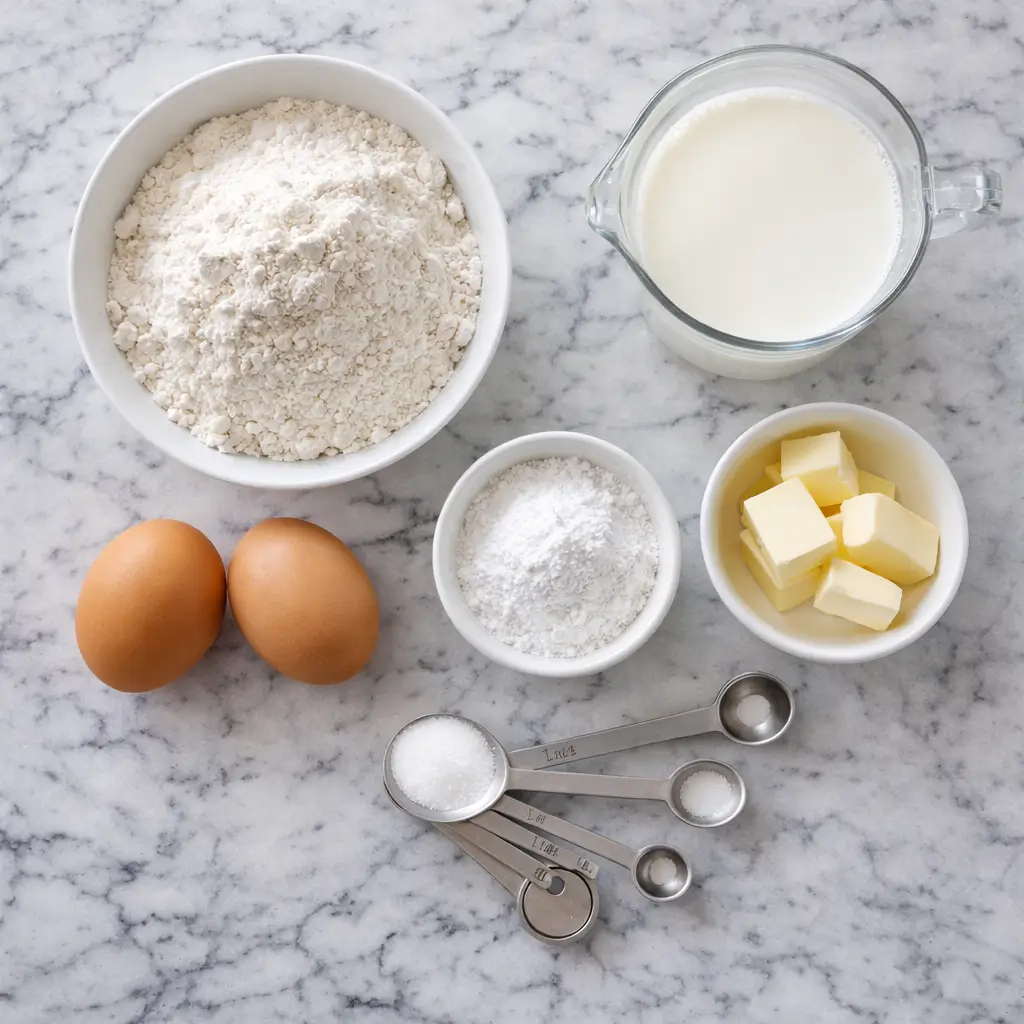
In many baking powder trick recipe variations, the “trick” involves slightly increasing the baking powder by ¼ teaspoon compared to a standard version. This small change can produce a visibly fluffier texture when measured correctly.
Some versions of the baking powder trick recipe also substitute buttermilk for regular milk. Because buttermilk is acidic, it can enhance the chemical reaction and support better lift.
However, balance is essential. A baking powder trick recipe should maintain proper ratios between dry and wet ingredients. Too much leavening disrupts structure and flavor.
Step by Step Baking Powder Trick Recipe Method
Now that the ingredients are clear, here is a simple, practical example of how a baking powder trick recipe is typically prepared. This example uses a basic pancake batter, since pancakes are one of the most common applications of the baking powder trick recipe in the United States.
Basic Baking Powder Trick Recipe (Pancake Style)
Ingredients:
- 1 cup all purpose flour
- 1 tablespoon sugar
- 1 teaspoon baking powder
- ¼ teaspoon salt
- 1 cup milk
- 1 egg
- 2 tablespoons melted butter
The small “trick” in this baking powder trick recipe is using a slightly rounded teaspoon of baking powder instead of a flat measurement, while keeping all other ratios stable.
Step 1: Mix Dry Ingredients
In a medium bowl, whisk together flour, sugar, salt, and baking powder. In a baking powder trick recipe, thorough mixing ensures even distribution of the leavening agent.
Step 2: Combine Wet Ingredients
In a separate bowl, whisk milk, egg, and melted butter until smooth. This prevents overmixing later.
Step 3: Gently Combine
Pour the wet mixture into the dry ingredients. Stir just until combined. A baking powder trick recipe works best when the batter remains slightly lumpy. Overmixing reduces air retention.
Step 4: Rest the Batter
Let the batter sit for 3 to 5 minutes. During this time, the first chemical reaction begins. This resting period supports the baking powder trick recipe effect.
Step 5: Cook Immediately
Cook on a preheated skillet over medium heat. Flip when bubbles form on the surface. The second reaction occurs with heat, completing the baking powder trick recipe process.
This simple method demonstrates that the baking powder trick recipe is about timing, measurement, and balance not adding excessive amounts.
Why the Baking Powder Trick Recipe Works
The baking powder trick recipe works because of controlled chemical leavening. It is not magic, and it is not a hidden culinary shortcut. It is simply an intentional use of baking powder to improve texture under the right conditions.
When a baking powder trick recipe is mixed, moisture activates the first stage of the leavening reaction. Carbon dioxide gas begins forming small bubbles inside the batter. These bubbles become trapped within the flour and egg structure.
When heat is applied, a second reaction occurs. The gas expands, pushing outward and creating lift. This expansion is what gives pancakes, biscuits, and quick breads a lighter crumb.
Three factors make the baking powder trick recipe effective:
- Accurate Measurement
Even a small increas about ¼ teaspoon can noticeably improve lift without overpowering flavor. - Fresh Baking Powder
Expired baking powder weakens the reaction. A baking powder trick recipe depends on active ingredients. - Proper Mixing Technique
Overmixing collapses air bubbles. Gentle folding helps preserve the reaction’s effect.
However, it is important to understand that the baking powder trick recipe has limits. Too much baking powder can cause a rapid rise followed by collapse. It may also leave a bitter taste if the chemical balance is off.
In short, the baking powder trick recipe works because it enhances a predictable chemical process but only when ratios remain balanced.
Common Claims About the Baking Powder Trick Recipe
As the baking powder trick recipe gained attention online, several claims began circulating about what it can do. Some are accurate within a baking context, while others are exaggerated or misunderstood.
Here are the most common claims associated with the baking powder trick recipe:
Claim 1: It Makes Everything Fluffier
This is partly true. A baking powder trick recipe can improve lift in quick breads, pancakes, and biscuits when used in the correct ratio. However, it does not improve texture in yeast breads, which rely on fermentation rather than chemical leavening.
Claim 2: Adding More Always Means Better Results
This is incorrect. Increasing baking powder too much can cause:
- Bitter or metallic taste
- Overexpansion followed by collapse
- Uneven crumb structure
The baking powder trick recipe works only within balanced proportions.
Claim 3: It Works Without Heat
This is misleading. Although baking powder reacts when moistened, the second reaction requires heat. A baking powder trick recipe depends on cooking or baking to complete the leavening process.
Claim 4: It Is a Health or Weight Loss Method
There is no reliable evidence that the baking powder trick recipe has health related effects when consumed in normal recipe amounts. It functions strictly as a leavening agent in food preparation.
Claim 5: It Can Replace Baking Soda Anytime
Not always. Baking soda requires an acidic ingredient to react. Baking powder already contains acid. Substituting one for the other changes the chemistry of a baking powder trick recipe.
Understanding these claims helps separate practical kitchen technique from online hype.
Baking Powder vs. Baking Soda Key Differences
Understanding the difference between baking powder and baking soda helps clarify why the baking powder trick recipe works in some situations and not in others. Although both are leavening agents, they behave differently in recipes.
Baking soda is pure sodium bicarbonate. It requires an acidic ingredient such as buttermilk, yogurt, lemon juice, or vinegar to activate. Without acid, it will not produce enough carbon dioxide to properly lift a batter.
Baking powder, by contrast, already contains both an acid and a base. This makes it more convenient and predictable for quick recipes.
Here is a comparison:
| Feature | Baking Powder | Baking Soda |
|---|---|---|
| Contains acid? | Yes | No |
| Needs additional acid? | No | Yes |
| Reaction timing | Double acting (most US brands) | Single reaction |
| Flavor impact if overused | Bitter/metallic | Soapy/harsh |
In many cases, the baking powder trick recipe is used in recipes that lack strong acidic ingredients. Because baking powder is self contained, it produces lift without requiring extra components.
However, substituting one for the other without adjusting measurements can disrupt flavor and texture. The effectiveness of any leavening method depends on maintaining balance.
When Adjusting Baking Powder Helps And When It Doesn’t
Small adjustments to leavening can improve certain recipes, but only in specific contexts. Understanding when a change is helpful prevents uneven texture or flavor problems.
When It Can Help
- Dense Pancakes or Waffles
If batter feels heavy and produces flat results, a slight increase (about ¼ teaspoon per cup of flour) may create better lift. - Thick Quick Breads
Recipes with heavy add ins like blueberries, nuts, or mashed bananas sometimes benefit from a minor adjustment to support structure. - Older Flour
Flour that has absorbed humidity can feel compact. A slight increase in leavening may compensate for density. - High Altitude Baking
At higher elevations, adjustments to leavening are common. However, this typically requires reducing not increasing leavening to prevent collapse.
When It Should Be Avoided
- Yeast Breads
Yeast relies on fermentation. Chemical leaveners do not replace this process. - Recipes Already Balanced by Weight
Professional formulas are carefully tested. Changing ratios can create instability. - Delicate Cakes
Sponge cakes and chiffon cakes rely heavily on egg structure. Too much leavening may create large air pockets.
Here is a quick reference guide:
| Situation | Adjust? | Reason |
|---|---|---|
| Flat pancakes | Yes (slight increase) | Supports lift |
| Yeast bread | No | Different leavening system |
| High altitude | Usually reduce | Prevents overexpansion |
| Balanced cake formula | No | May disrupt texture |
Knowing when to adjust ensures better results and avoids common mistakes.
Section 10: How to Test Baking Powder for Freshness
Freshness plays a major role in recipe success. Even a well measured formula will not rise properly if the leavening agent has lost strength. Fortunately, testing it takes less than a minute.
Simple Freshness Test
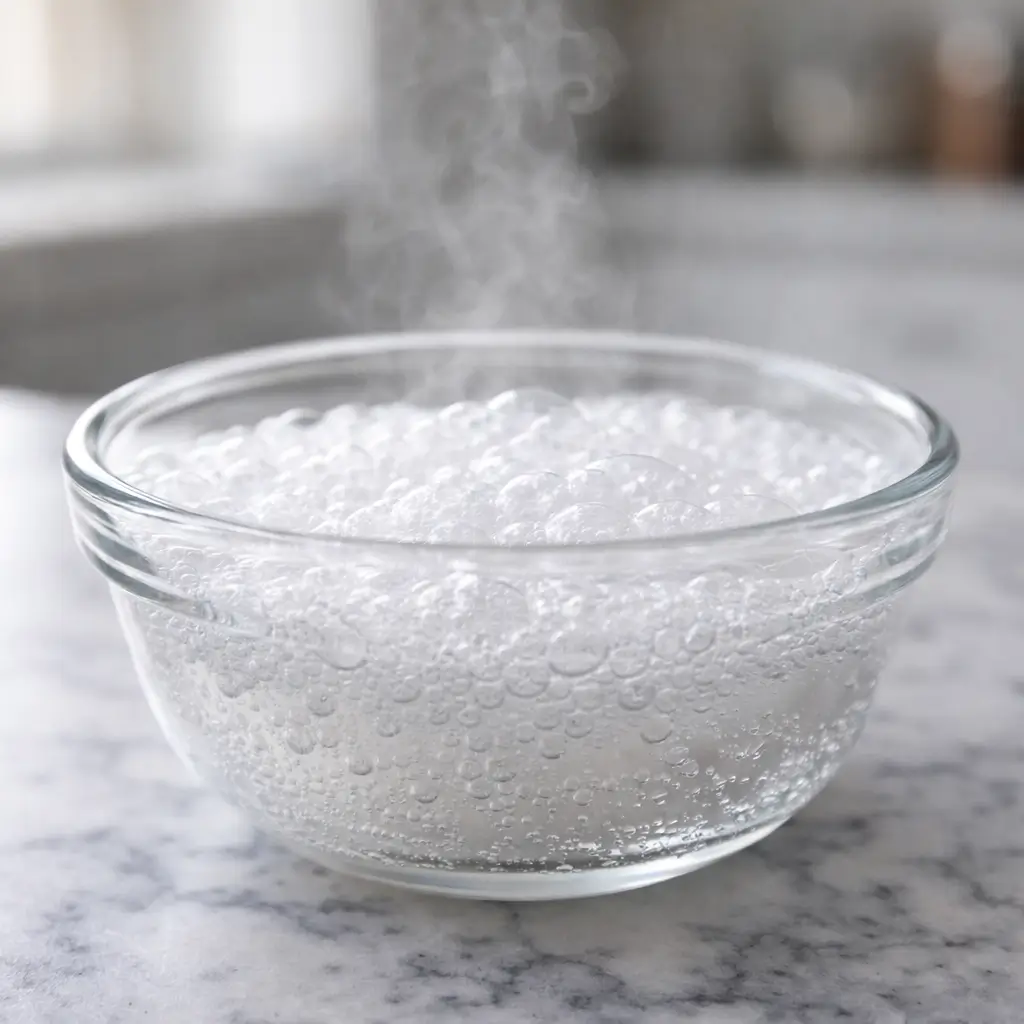
- Heat ½ cup of water until hot but not boiling.
- Place 1 teaspoon of baking powder in a small bowl.
- Pour the hot water over it.
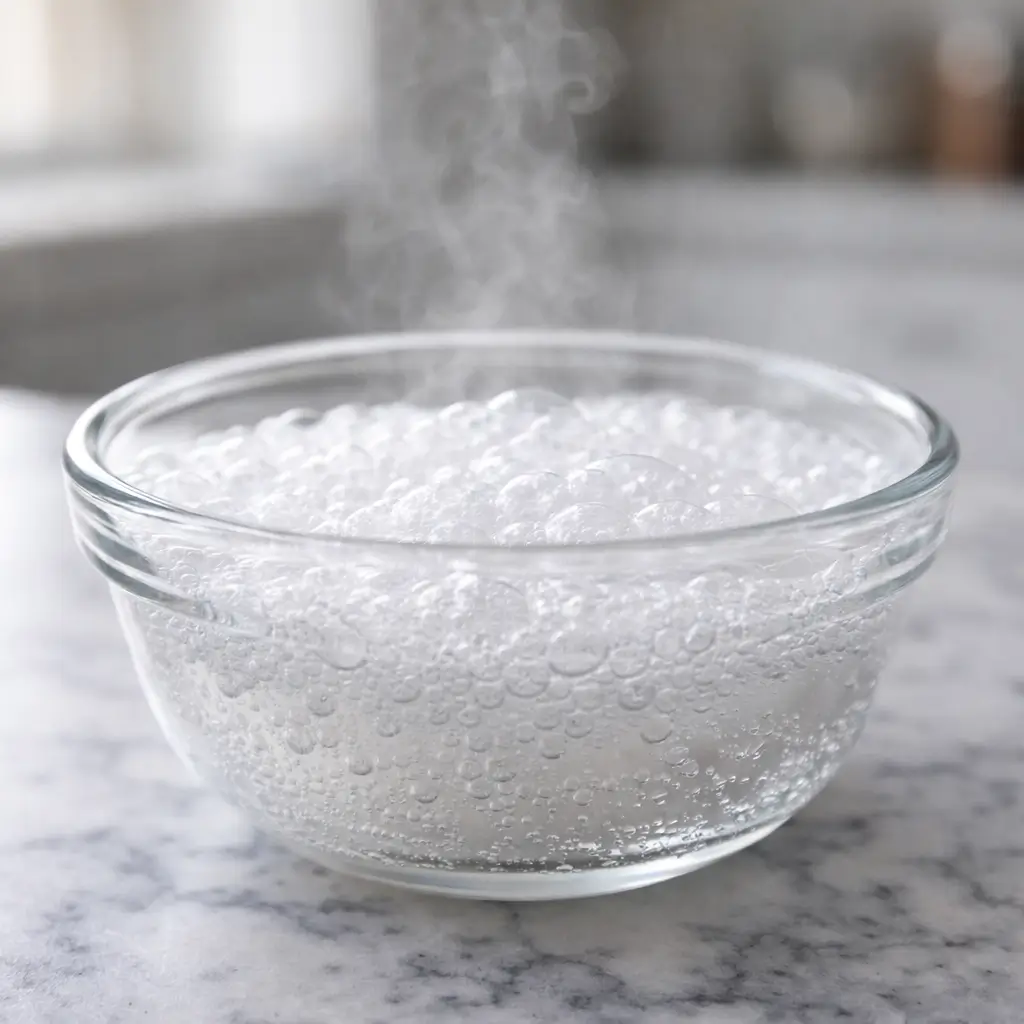
If it bubbles vigorously right away, it is still active. If the reaction is weak or barely visible, it should be replaced.
Because most brands in the United States are double acting, you should see immediate bubbling from the first reaction stage. A lack of activity indicates reduced effectiveness.
Storage Tips
- Keep tightly sealed in a dry cabinet
- Avoid storing near heat or moisture
- Replace every 6–12 months after opening
Here’s a quick guide:
| Condition | Likely Performance |
|---|---|
| Fresh, sealed | Strong lift |
| Open 6+ months | May weaken |
| Exposed to moisture | Reduced reaction |
Using fresh ingredients helps maintain consistent texture and structure in baked goods.
Common Mistakes When Using Baking Powder
Even simple recipes can produce inconsistent results if small details are overlooked. Understanding common errors helps improve reliability and texture.
1. Overmeasuring
Scooping directly from the container can compact the powder, leading to excess in the measuring spoon. Too much may cause rapid rise followed by collapse, uneven crumb, or a slightly bitter taste.
2. Not Leveling the Spoon
Leavening agents should always be leveled with a straight edge. Rounded or heaping measurements change chemical balance.
3. Letting Batter Sit Too Long
Once liquid is added, the first reaction begins. If batter rests for an extended time, some gas escapes before cooking. For best results, cook soon after mixing.
4. Overmixing
Excess stirring strengthens gluten and pushes out air bubbles. Gentle mixing preserves structure.
5. Ignoring Recipe Ratios
Recipes are carefully balanced. Adjusting without understanding ingredient proportions can disrupt texture and flavor.
Here is a quick correction guide:
| Mistake | Result | Fix |
|---|---|---|
| Too much added | Bitter taste, collapse | Measure precisely |
| Old product | Flat texture | Test freshness |
| Overmixed batter | Dense crumb | Mix gently |
Avoiding these errors leads to more consistent baking outcomes.
How Leavening Fits Into Overall Recipe Balance
Leavening is only one part of a larger system. Flour provides structure, eggs create stability, fats add tenderness, and liquids activate reactions. If one element changes, the others must support it.
In most American quick breads and pancake style batters, the general guideline is:
- 1 to 1¼ teaspoons of baking powder per cup of flour
This range maintains lift without overpowering flavor. Exceeding it can cause overexpansion, which weakens the internal structure and leads to sinking after baking.
Structural Balance Overview
| Ingredient Type | Primary Function | Effect if Increased Too Much |
|---|---|---|
| Flour | Structure | Dry or tough texture |
| Fat | Tenderness | Greasy crumb |
| Sugar | Sweetness & browning | Excess browning |
| Leavening | Lift | Collapse or bitterness |
| Liquid | Activation | Thin batter |
Because these ingredients interact, small changes must remain proportional. For example, adding extra leavening without adjusting liquid or flour can disrupt consistency.
Professional recipes are often developed by weight to maintain precision. While home recipes use volume measurements, consistency still depends on careful balance.
Understanding this broader structure makes adjustments more predictable and controlled.
Key Takeaways About the Baking Powder Trick Recipe
The baking powder trick recipe is not a secret formula or a dramatic shortcut. It is a small adjustment in measurement and technique designed to improve texture in quick breads, pancakes, and similar baked goods.
Here are the main points to remember:
- Baking powder is a double acting leavening agent in most US brands.
- It reacts once when mixed with liquid and again when heated.
- Slight adjustments may improve lift in dense batters.
- Overuse can cause bitterness, uneven structure, or collapse.
- Freshness and proper measurement matter more than increasing quantity.
The effectiveness of this method depends on balance. Flour, fat, eggs, and liquid all support the structure created during leavening. If one element shifts too far, the final texture suffers.
In most cases, consistent mixing technique and accurate measurement produce better results than simply adding more leavening. The “trick” is really about understanding how ingredients interact rather than relying on viral claims.
Conclusion
Understanding the baking powder trick recipe comes down to clarity rather than mystery. The idea behind it is simple: a small, careful adjustment to baking powder can improve lift and texture in certain quick breads and pancake style recipes. It works because baking powder releases carbon dioxide in two stages, first when mixed with liquid and again when exposed to heat. That reaction creates air pockets that help batter rise and set with a lighter structure.
However, the effect depends on balance. Adding too much can lead to bitterness, uneven texture, or collapse after baking. Freshness, accurate measurement, and gentle mixing often matter more than increasing quantity. The so called trick is really a reminder that baking is a system of proportions.
When used thoughtfully, this method can refine results without changing the core recipe. When misunderstood, it can create more problems than it solves. Clear technique and measured adjustments remain the most reliable path to consistent baking success.
FAQ
1. What do people mean by the baking powder trick recipe?
Most people use the phrase to describe slightly increasing baking powder in a recipe to create a lighter texture. It is commonly applied to pancakes, biscuits, or quick breads. The “trick” is not a secret formula but a minor adjustment within safe measurement ranges. The goal is to improve lift without disrupting flavor or structure. However, results depend on maintaining proper ingredient balance and using fresh baking powder.
2. Can adding more baking powder ruin a recipe?
Yes, adding too much can negatively affect both taste and texture. Excess baking powder may create a bitter or metallic flavor. It can also cause batter to rise too quickly and then collapse, leaving large holes or a dense interior. Recipes are designed with specific ratios in mind, so significant changes to leavening can disrupt structural balance. Small adjustments are safer than large increases.
3. Is baking powder the same as baking soda?
No, they are different ingredients. Baking soda is pure sodium bicarbonate and requires an acidic ingredient to activate. Baking powder already contains both an acid and a base, making it more self contained. Substituting one for the other without adjusting measurements can alter flavor and texture. Recipes should be followed carefully when it comes to leavening agents.
4. How can I tell if my baking powder is still active?
You can test it by placing one teaspoon in a bowl and pouring hot water over it. If it bubbles vigorously, it is still active. Weak or minimal bubbling suggests it has lost strength and should be replaced. Because it reacts when exposed to moisture and air, baking powder gradually becomes less effective after opening.
5. Does the baking powder trick recipe work for all baked goods?
No, it works mainly for quick breads and batters that rely on chemical leavening. Yeast breads use fermentation instead, so adding baking powder does not replace yeast. Delicate cakes may also suffer if leavening is increased too much. The method is most effective in simple, balanced recipes where a slight lift improvement is desired.
Follow Us YOUTUBE

baking powder trick recipe
Ingredients
Equipment
Method
- In a medium bowl, whisk flour, sugar, baking powder, and salt until evenly combined.
- In a separate bowl, whisk milk, egg, and melted butter until smooth.
- Pour wet ingredients into dry ingredients and stir gently until just combined. Do not overmix.
- Let batter rest for 5 minutes.
- Heat a lightly greased skillet over medium heat.
- Pour ¼ cup batter per pancake onto skillet.
- Cook until bubbles form on the surface, then flip and cook until golden.
- Serve warm.
Notes
- Measure baking powder precisely too much can cause bitterness or collapse.
- Do not overmix gentle mixing keeps pancakes light.
- Use fresh baking powder for proper lift.
- Cook batter soon after mixing to maximize rise.