
Soft homemade marshmallow recipe without gelatin ideas are gaining serious attention across the United States. More families are looking for desserts that fit vegetarian, vegan, halal, and kosher lifestyles without sacrificing flavor or texture.
In modern American kitchens today, many home bakers choose marshmallow recipe without gelatin options because they want greater control over ingredients and dietary compatibility. Traditional marshmallows rely on animal derived gelatin, which does not work for everyone. A plant based version offers inclusivity while keeping the classic fluffy texture people expect.
Another reason for the growing interest is ingredient transparency. Store bought marshmallows often contain corn syrup, artificial flavors, and stabilizers. When you prepare them at home, you control the sweetness, flavoring, and consistency.
There is also a strong DIY dessert movement. Homemade candies feel special and rewarding. With the right technique and proper measurements, gelatin free marshmallows can be just as airy, stable, and enjoyable as conventional versions.
This guide explains exactly how to achieve that result, what ingredients replace gelatin successfully, and how to create marshmallows that set properly and taste delicious.What Is the Gelatin Trick to Lose Weight? Expert Insights
What Replaces Gelatin in Marshmallows
When making a marshmallow recipe without gelatin, the most important step is choosing the right alternative setting agent. Gelatin provides elasticity and structure, so the replacement must create stability while still allowing a light, airy texture.
The most reliable substitute is agar agar. Agar is derived from red seaweed and is commonly used in plant based desserts. It activates when boiled in liquid and forms a firm gel as it cools. Unlike gelatin, agar sets at room temperature and creates a slightly firmer bite.
Other plant based options include:
- Carrageenan, which is also seaweed derived and provides a softer gel.
- Pectin, which works best when combined with high sugar content.
- Aquafaba, which can help with whipping and air incorporation but does not provide full structure on its own.
Agar remains the most dependable choice because it offers consistent results and strong setting power. However, it behaves differently from gelatin. It must be fully boiled to activate properly. If it is not heated long enough, the marshmallows may not set.
Another difference is texture. Agar produces a slightly firmer, cleaner bite compared to the stretchy texture of gelatin. The flavor remains neutral, which makes it perfect for vanilla or flavored marshmallows.
Understanding these ingredient differences ensures better results and helps prevent common mistakes when preparing gelatin free marshmallows at home.
How Gelatin Free Marshmallows Differ in Texture and Structure
Before starting your marshmallow recipe without gelatin, it is important to understand how the final texture compares to traditional marshmallows.
Gelatin based marshmallows are stretchy and slightly elastic. When you pull them apart, they create soft strands. This elasticity comes from the protein network gelatin forms as it cools.
Gelatin free marshmallows made with agar behave differently. Agar forms a more rigid gel structure. Instead of being stretchy, the texture is tender and slightly springy with a clean bite. They still feel fluffy and airy, but they do not have the same pull apart elasticity.
There are three main structural differences:
- Setting temperature
Agar sets at room temperature, while gelatin requires cooling. This means gelatin free marshmallows can firm up more quickly once poured into the pan. - Firmness level
Agar produces a slightly firmer cube. The texture is stable and holds sharp edges when cut. - Heat tolerance
Agar based marshmallows can melt when exposed to direct high heat. They may not behave exactly like traditional marshmallows over an open flame.
Despite these differences, most people find the texture very enjoyable. When whipped properly and cut into soft cubes, gelatin free marshmallows remain light, fluffy, and perfect for hot chocolate, desserts, or snacking.
Understanding these distinctions helps set realistic expectations and ensures you achieve the best possible result at home.
Ingredients You Need for Marshmallow Recipe Without Gelatin
Making marshmallows without gelatin requires precision. Each ingredient plays a structural role, especially when working with agar.
Below is a complete ingredient breakdown for reliable, fluffy results.
Table 1: Core Ingredients and Their Purpose
| Ingredient | Measurement | Purpose |
|---|---|---|
| Granulated sugar | 2 cups | Sweetness and structure |
| Light corn syrup | 1 cup | Prevents crystallization and adds softness |
| Water | 1 cup total | Hydrates sugar and activates agar |
| Agar agar powder | 2 teaspoons | Plant based setting agent |
| Vanilla extract | 2 teaspoons | Flavor |
| Salt | 1 pinch | Balances sweetness |
| Powdered sugar | 1 cup | Dusting to prevent sticking |
| Cornstarch | 1 cup | Dusting and structure support |
Why these ingredients matter:
Sugar creates the foam structure when cooked to the correct temperature. Corn syrup keeps the marshmallows soft and prevents a grainy texture.
Agar must be measured accurately. Too little and the marshmallows will not set. Too much and they become too firm.
The powdered sugar and cornstarch mixture is essential. Without it, the marshmallows will stick to everything.
Precise measurements and proper cooking temperature are what determine whether your marshmallows become light and fluffy or dense and rubbery.
In the next section, we will walk through the exact step by step method.
Step by Step Marshmallow Recipe Without Gelatin
This method is designed for consistent results in a standard US kitchen. Read through all steps before starting because timing matters.
Preparation Time: 20 minutes
Setting Time: 1 to 2 hours
Yield: About 36 cubes
Step 1: Prepare the Pan
Line a 9 by 13 inch baking dish with parchment paper. Lightly oil the parchment. In a small bowl, mix powdered sugar and cornstarch. Dust the pan generously and set aside.
Step 2: Bloom and Heat the Agar
In a small saucepan, combine 1 half cup water with the agar powder. Let it sit for 5 minutes to hydrate. Then bring it to a full boil over medium heat. Simmer for 2 to 3 minutes, stirring constantly. Agar must boil to activate.
Step 3: Cook the Sugar Syrup
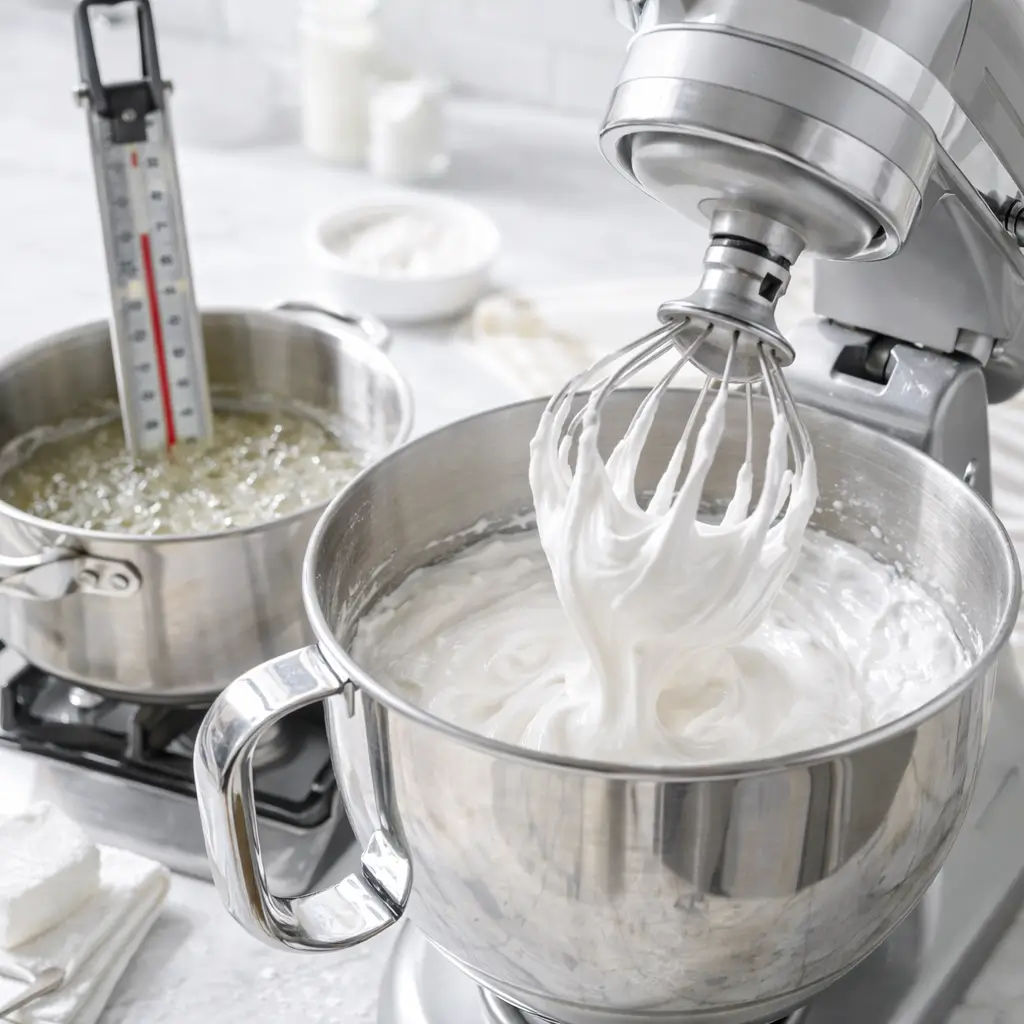
In a separate saucepan, combine granulated sugar, corn syrup, salt, and the remaining 1 half cup water. Heat over medium high heat. Stir until dissolved, then stop stirring. Cook until the mixture reaches 240 degrees Fahrenheit on a candy thermometer.
Step 4: Combine and Whip
Carefully pour the hot agar mixture into the bowl of a stand mixer. With the mixer on low speed, slowly stream in the hot sugar syrup. Increase to high speed and whip for 8 to 12 minutes until thick, glossy, and fluffy. Add vanilla during the final minute.
Step 5: Transfer and Set
Immediately pour the mixture into the prepared pan. Smooth the top with a lightly oiled spatula. Dust with more powdered sugar mixture. Let sit at room temperature for at least 1 hour until firm.
Step 6: Cut and Coat
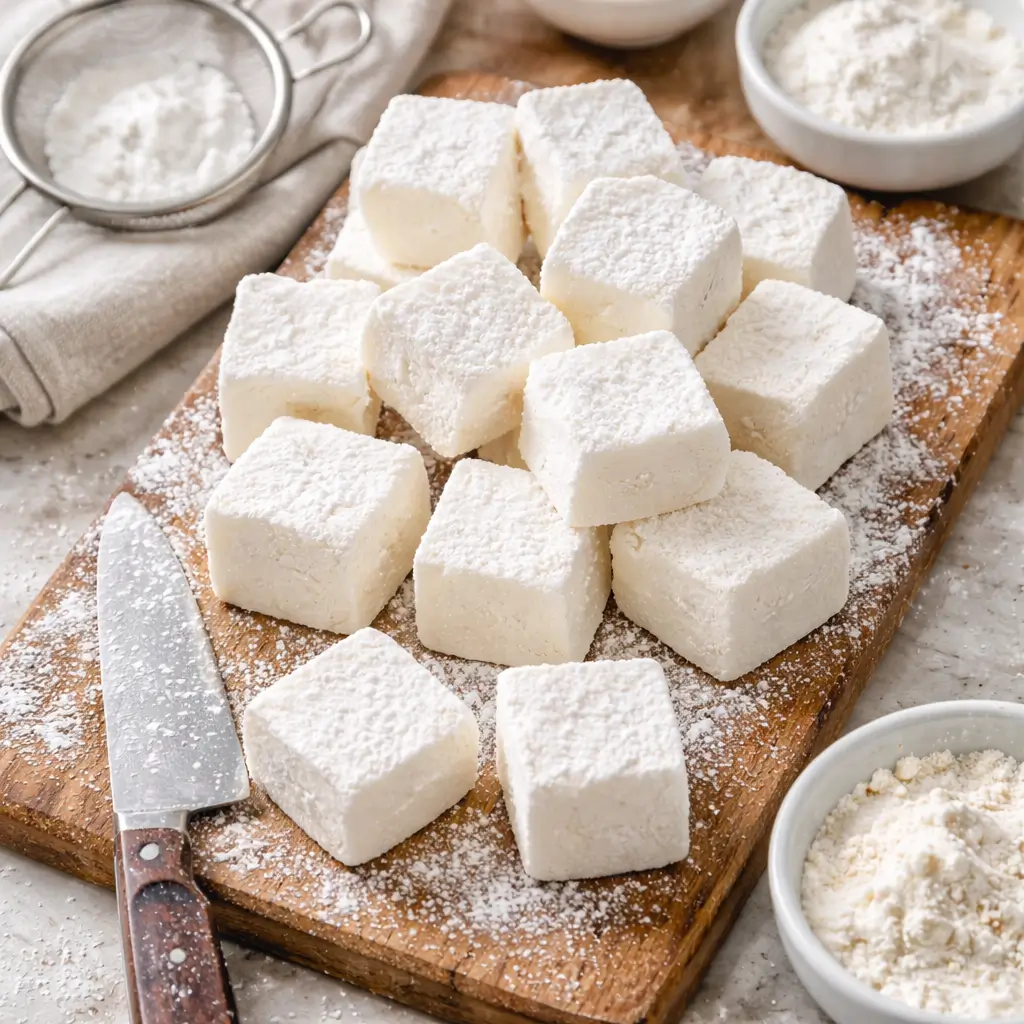
Lift from the pan, cut into cubes using a sharp knife, and coat each piece in the powdered sugar mixture to prevent sticking.
Texture Tip
If the marshmallow mixture deflates quickly, the syrup may not have reached the proper temperature. If it feels too firm, slightly reduce the agar next time.
Common Mistakes When Making Marshmallow Recipe Without Gelatin
Making a marshmallow recipe without gelatin requires precision. Small technique errors can affect texture, structure, and overall success. Below are the most common mistakes and how to avoid them.
Mistake 1: Not Boiling the Agar Properly
Agar must reach a full boil to activate. If it is only warmed or lightly simmered, the marshmallow recipe without gelatin may not set correctly. Always boil agar for at least two to three minutes while stirring.
Mistake 2: Incorrect Sugar Temperature
The sugar syrup must reach 240 degrees Fahrenheit. If the temperature is too low, the marshmallow recipe without gelatin can turn out sticky or loose. If overheated, it may become too dense.
Mistake 3: Whipping Too Little or Too Much
Whipping incorporates air. Under whipping produces a flat texture. Over whipping can cause premature setting. A properly whipped marshmallow recipe without gelatin should look glossy, thick, and hold soft peaks.
Mistake 4: Working Too Slowly
Once combined, the mixture begins setting quickly. Pour immediately into the prepared pan to preserve volume.
Mistake 5: Skipping the Dusting Mixture
Without a generous coating of powdered sugar and cornstarch, your marshmallow recipe without gelatin will stick to knives, hands, and storage containers.
By controlling heat, timing, and measurement, you can consistently achieve fluffy, stable results every time.
Pro Tips for the Fluffiest Marshmallow Recipe Without Gelatin
Perfecting a marshmallow recipe without gelatin comes down to technique and timing. While the ingredient list is simple, the process requires attention to detail to achieve that soft, airy texture.
Use a Stand Mixer for Best Volume
A powerful mixer helps whip enough air into the marshmallow recipe without gelatin before it begins setting. High speed whipping for eight to twelve minutes creates structure and stability. Hand mixers often struggle to maintain consistent volume.
Preheat Your Equipment
Because a marshmallow recipe without gelatin sets faster than traditional versions, lightly warming the mixing bowl with hot water before starting can help maintain fluidity during whipping. Dry the bowl completely before adding ingredients.
Stream Syrup Slowly
When combining the hot sugar syrup with the agar mixture, pour in a thin, steady stream. This prevents shock cooling and helps the marshmallow recipe without gelatin emulsify properly.
Flavor at the Right Time
Add vanilla or other extracts during the final minute of whipping. Adding too early may reduce volume or alter structure in your marshmallow recipe without gelatin.
Control Humidity
High humidity can affect texture. If possible, prepare your marshmallow recipe without gelatin on a dry day for cleaner cuts and better structure.
With careful attention to temperature, speed, and timing, your homemade marshmallows can be consistently fluffy and stable.
Flavor Variations for Marshmallow Recipe Without Gelatin
Once you master the base marshmallow recipe without gelatin, you can easily customize flavors while keeping the same structure and texture. The key is adding flavor without disrupting the balance of sugar, agar, and air.
Vanilla Bean
For a classic result, replace vanilla extract with fresh vanilla bean seeds. This keeps the marshmallow recipe without gelatin visually appealing and enhances aroma without affecting stability.
Chocolate
Add two tablespoons of sifted cocoa powder during the final minute of whipping. This variation gives the marshmallow recipe without gelatin a rich flavor while maintaining fluffiness.
Strawberry or Raspberry
Use freeze dried fruit powder instead of fresh puree. Fresh fruit introduces moisture that can weaken the marshmallow recipe without gelatin. Freeze dried powder preserves structure and color.
Peppermint
Add one quarter teaspoon peppermint extract at the end of whipping. This works well for holiday treats and hot chocolate toppings made with marshmallow recipe without gelatin cubes.
Citrus
Finely grated lemon or orange zest adds brightness. Use small amounts to avoid excess moisture.
Always avoid adding liquid ingredients in large quantities. Too much moisture can prevent the marshmallow recipe without gelatin from setting properly. Controlled flavor additions ensure consistent results every time.
Storage and Shelf Life of Marshmallow Recipe Without Gelatin
Proper storage plays an important role in maintaining the texture of your marshmallow recipe without gelatin. Because agar sets differently than gelatin, moisture control is especially important.
Room Temperature Storage
The best way to store a marshmallow recipe without gelatin is in an airtight container at room temperature. Line the container with parchment paper and dust the marshmallows lightly with powdered sugar mixture to prevent sticking. They typically stay fresh for up to five days.
Refrigeration
Refrigeration is not recommended. Cold temperatures can cause condensation, which may soften the outer coating of a marshmallow recipe without gelatin and make it sticky.
Freezing
Freezing is also not ideal. The texture of a marshmallow recipe without gelatin can become slightly firm or crumbly once thawed due to agar’s structure.
Humidity Considerations
Keep the container in a dry place away from direct sunlight. Excess moisture in the air can affect surface texture.
Table 2: Storage Guidelines
| Storage Method | Recommended | Expected Texture |
|---|---|---|
| Room temperature | Yes | Soft and stable |
| Refrigerator | No | Sticky exterior |
| Freezer | Not ideal | Slightly firm after thaw |
Proper storage ensures your marshmallow recipe without gelatin remains fluffy, cleanly cut, and enjoyable for several days.
Can Marshmallow Recipe Without Gelatin Be Toasted
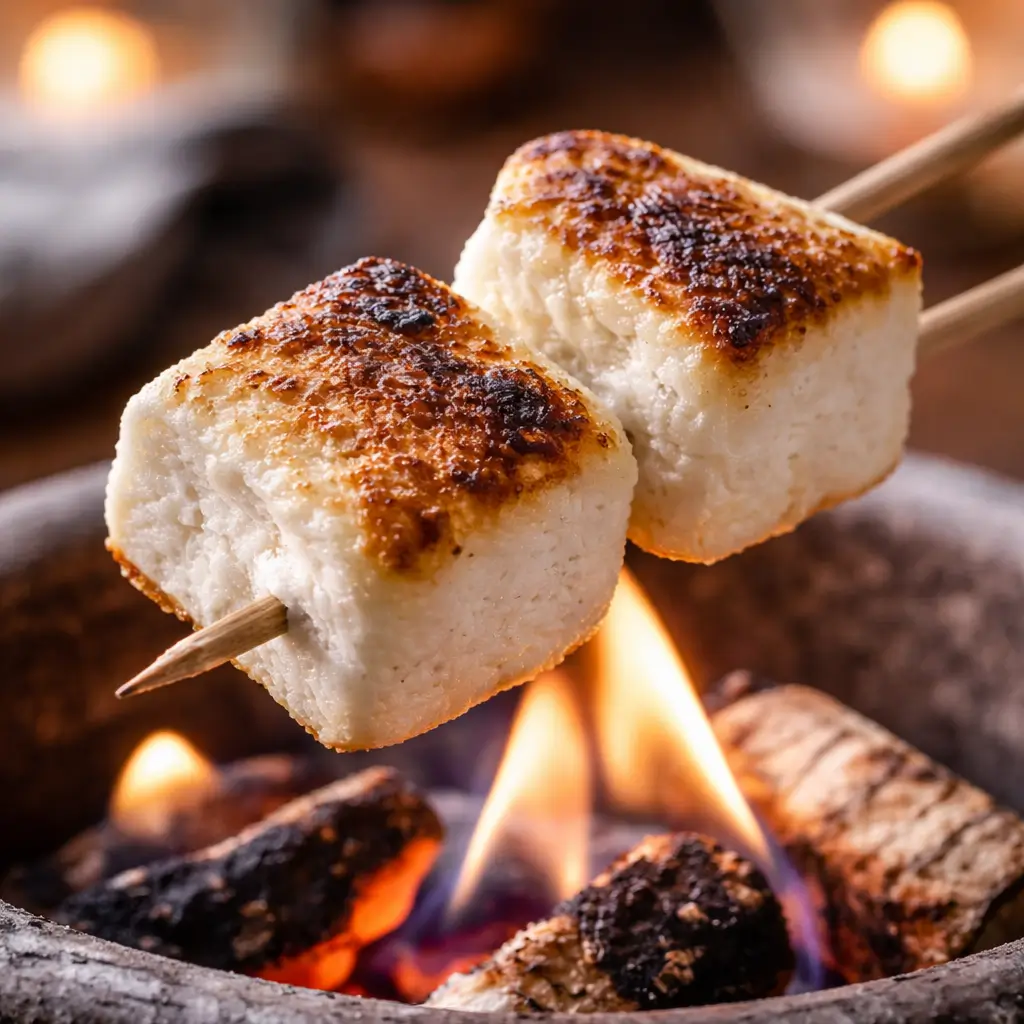
One of the most common questions about marshmallow recipe without gelatin is whether it can be toasted like traditional marshmallows.
The short answer is yes, but with differences.
Agar based marshmallows respond to heat differently than gelatin based ones. When exposed to direct flame, a marshmallow recipe without gelatin may soften quickly and develop surface browning, but it does not stretch and melt in the same way.
For best results, hold the marshmallow slightly above the flame rather than directly in it. Slow, indirect heat allows the exterior to caramelize without collapsing the structure.
Oven Broiling
If using a broiler, place marshmallow recipe without gelatin pieces on parchment lined baking sheets. Broil briefly while watching carefully. They brown quickly.
Hot Chocolate
These marshmallows work very well in hot chocolate. A marshmallow recipe without gelatin will soften and partially melt, creating a creamy top layer without completely dissolving.
Table 3: Heat Performance Comparison
| Feature | Gelatin Marshmallows | Marshmallow Recipe Without Gelatin |
|---|---|---|
| Stretch when melted | High | Low |
| Browning ability | Moderate | Good |
| Melt speed | Slower | Faster |
| Structure retention | Elastic | Slightly firm |
While the behavior differs slightly, a marshmallow recipe without gelatin still performs well for roasting, desserts, and beverages when handled carefully.
Who Should Choose Marshmallow Recipe Without Gelatin
Choosing a marshmallow recipe without gelatin is not only about preference. For many people, it is about dietary needs, ingredient awareness, and lifestyle choices.
Vegetarian Diets
Gelatin is derived from animal collagen. A marshmallow recipe without gelatin uses plant based alternatives such as agar, making it suitable for vegetarians who avoid animal byproducts.
Vegan Diets
When prepared without honey and using plant based sugar, a marshmallow recipe without gelatin can be fully vegan. Always check that the sugar used is not processed with animal bone char if strict vegan standards apply.
Halal and Kosher Needs
Some consumers avoid conventional gelatin due to sourcing concerns. A marshmallow recipe without gelatin removes that uncertainty and offers a more universally acceptable option.
Ingredient Transparency
Families focused on simple pantry ingredients often prefer making a marshmallow recipe without gelatin at home. It eliminates preservatives and allows full control over flavor and sweetness.
Food Allergies and Sensitivities
While gelatin is generally safe, some people prefer avoiding it. A marshmallow recipe without gelatin provides an alternative without compromising texture.
Understanding who benefits from this recipe helps clarify its growing popularity across US households seeking inclusive and adaptable desserts.
Nutritional Overview of Marshmallow Recipe Without Gelatin
Understanding the nutritional profile of a marshmallow recipe without gelatin helps set realistic expectations. While these marshmallows are plant based, they are still a sugar based confection and should be enjoyed in moderation.
A standard cube from a marshmallow recipe without gelatin contains primarily carbohydrates from sugar and corn syrup. Agar contributes minimal calories because it is used in small amounts and is mostly fiber.
Estimated Nutrition Per Piece
Serving size: 1 cube based on 36 total pieces
Calories: Approximately 70 to 90
Carbohydrates: 17 to 20 grams
Fat: 0 grams
Protein: 0 grams
Fiber: Trace amounts from agar
Compared to traditional versions, a marshmallow recipe without gelatin has a similar calorie count. The main difference lies in the gelling agent rather than macronutrient composition.
Because sugar is the dominant ingredient, portion control is important. These marshmallows are best enjoyed occasionally in hot chocolate, desserts, or small treats rather than as a daily snack.
If reducing sugar intake is a priority, adjustments can be tested, but altering sugar levels may affect structure in a marshmallow recipe without gelatin.
Final Technique Checklist for Perfect Results
Before making your next batch, review this quick checklist to ensure your marshmallow recipe without gelatin turns out fluffy, stable, and cleanly cut every time.
Measure Precisely
Accurate measurement is critical. Even a small change in agar can affect firmness. A properly balanced marshmallow recipe without gelatin depends on exact ratios of sugar, liquid, and setting agent.
Use a Candy Thermometer
Reaching 240 degrees Fahrenheit ensures the correct sugar concentration. If the syrup temperature is off, the marshmallow recipe without gelatin may collapse or become overly dense.
Boil Agar Fully
Agar must boil for activation. If it does not reach a full boil, the marshmallow recipe without gelatin may not set properly at room temperature.
Whip Until Thick and Glossy
The mixture should triple in volume and form soft peaks. Under whipping leads to flat marshmallows. Proper whipping gives the marshmallow recipe without gelatin its signature airy texture.
Work Quickly After Whipping
Once ready, transfer immediately to the prepared pan. A marshmallow recipe without gelatin begins setting faster than gelatin based versions.
Dust Generously
Coating with powdered sugar and cornstarch prevents sticking and keeps edges clean.
Following this checklist consistently will help you achieve reliable, high quality homemade marshmallows without gelatin.
Conclusion
Making marshmallow recipe without gelatin at home is completely achievable with the right technique and understanding of ingredients. By replacing gelatin with agar, you create a plant based alternative that still delivers a soft, airy texture and clean structure.
While the bite is slightly firmer than traditional marshmallows, the difference is minimal when properly whipped and set. Careful temperature control, precise measurements, and full agar activation are the keys to consistent success.
This recipe offers a reliable option for vegetarians, vegans, and anyone seeking greater ingredient transparency in homemade sweets. With proper storage, these marshmallows remain fresh for several days and can be enjoyed in hot chocolate, desserts, or lightly toasted.
Once you master the base method, flavor variations allow endless customization. By following the steps and techniques outlined in this guide, you can confidently prepare marshmallows without gelatin that are fluffy, stable, and enjoyable for a wide range of dietary needs.
FAQ
1: Can marshmallow recipe without gelatin be toasted over a campfire
Yes, a marshmallow recipe without gelatin can be toasted, but it behaves slightly differently from traditional versions. Because agar creates a firmer structure, the marshmallow softens faster when exposed to heat and does not stretch as much when melted. For best results, hold it slightly above the flame and rotate slowly. Indirect heat allows the exterior to brown while maintaining shape. The inside becomes soft and creamy without completely collapsing.
2: How long does marshmallow recipe without gelatin last
When stored properly in an airtight container at room temperature, a marshmallow recipe without gelatin typically stays fresh for up to five days. Humidity is the biggest factor that affects shelf life. Keep the container sealed and away from moisture. Avoid refrigeration, as condensation can make the surface sticky. A light dusting of powdered sugar and cornstarch helps maintain texture.
3: Why did my marshmallow recipe without gelatin not set
The most common reason is improper agar activation. Agar must be fully boiled for several minutes to activate its gelling properties. If it is only warmed, the structure will fail. Another reason could be undercooked sugar syrup. The syrup must reach 240 degrees Fahrenheit. Accurate measurement and temperature control are essential for success.
4: Can I reduce the sugar in marshmallow recipe without gelatin
Reducing sugar significantly can affect structure and texture. Sugar does more than sweeten. It stabilizes the foam and contributes to the final set. Small reductions may work, but major changes often result in soft or unstable marshmallows. If experimenting, adjust gradually and test small batches to maintain proper balance.
5: Is marshmallow recipe without gelatin truly vegan
A marshmallow recipe without gelatin can be vegan if all ingredients are plant based. Agar is derived from seaweed and is suitable for vegan diets. However, confirm that the sugar used aligns with vegan standards if that is important to you. Always check labels carefully to ensure full compliance with dietary preferences.
Follow Us YOUTUBE
marshmallow recipe without gelatin
Ingredients
Equipment
Method
- Line a 9 by 13 inch pan with parchment and dust with powdered sugar and cornstarch mixture.
- Combine half cup water with agar in saucepan. Let sit five minutes, then boil for two to three minutes while stirring.
- In separate saucepan combine sugar, corn syrup, salt, and remaining water. Heat to 240 degrees Fahrenheit.
- Pour hot agar into mixer bowl. With mixer on low, slowly stream in sugar syrup.
- Increase speed to high and whip eight to twelve minutes until thick and glossy. Add vanilla during final minute.
- Immediately spread mixture into prepared pan and smooth top. Dust with powdered sugar mixture.
- Let set at room temperature for one hour. Cut into cubes and coat all sides before serving.
Notes
• Use a candy thermometer for accurate sugar temperature.
• Work quickly after whipping because mixture sets fast.
• Dust generously with powdered sugar and cornstarch to prevent sticking.
• Store in airtight container at room temperature up to 5 days.