
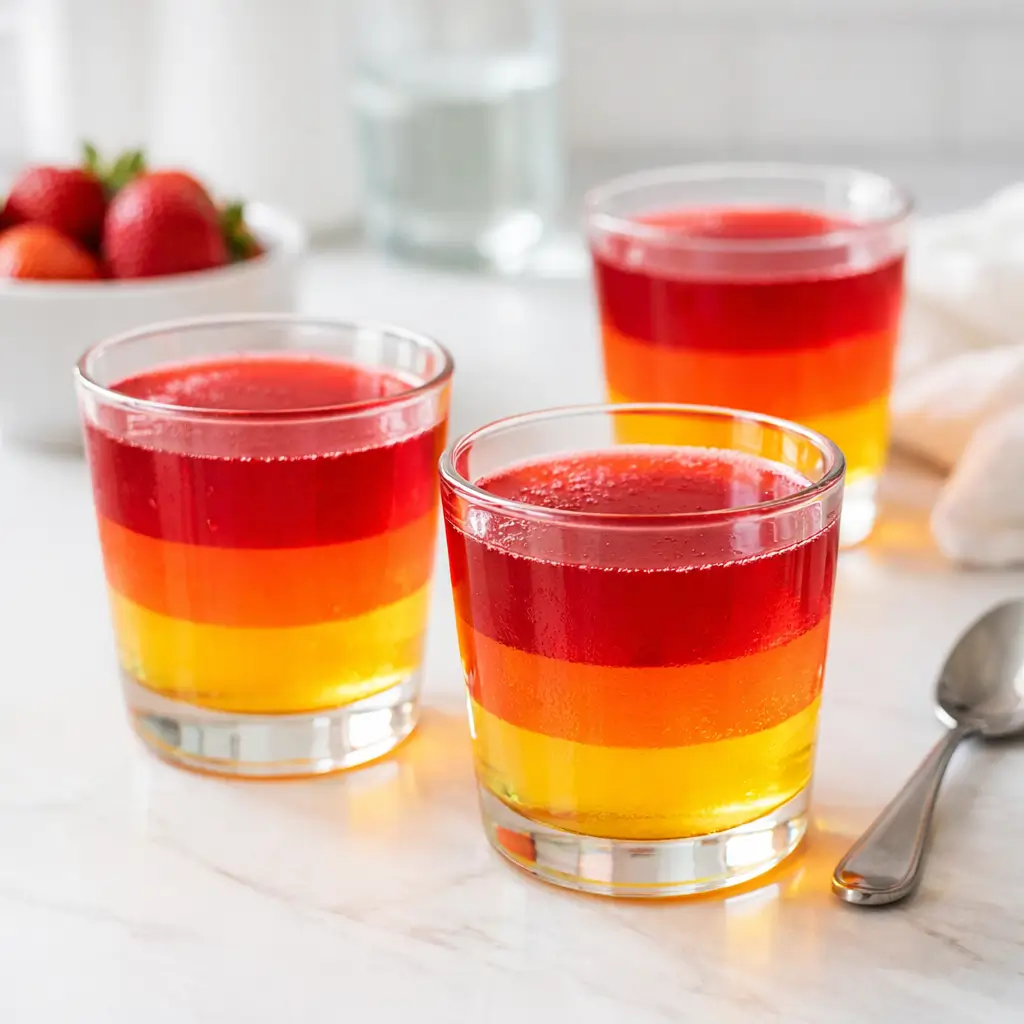
In recent years, gelatin diet ingredients have gained attention among people looking for simple, protein focused eating strategies. The idea usually centers on using gelatin as a primary component in low calorie snacks, desserts, or meal add ons.
Across the US wellness space, gelatin diet ingredients are often discussed in connection with high protein, low sugar meal planning. Some people refer to it as a “gelatin diet,” while others simply use gelatin based recipes as part of broader weight management plans.
When people search for this term, they usually want to understand three things:
- What exactly is a gelatin diet?
- What ingredients are included?
- How does gelatin supposedly support dieting?
The “gelatin diet” is not a formally recognized medical or clinical diet. Instead, it generally refers to meal plans or eating approaches that emphasize gelatin based foods because they are:
- Low in calories
- High in protein (especially collagen derived protein)
- Easy to prepare
- Versatile in both sweet and savory dishes
Most versions include simple pantry ingredients like unflavored gelatin powder, water, fruit extracts, sugar free flavorings, and sometimes added protein sources.
Before diving into the full ingredient breakdown, it’s important to understand why this topic is trending and what people are hoping to achieve with it.Thomas Jefferson Mac and Cheese: What you need to know
Why Is the Gelatin Diet Trending in the US?
Search interest around gelatin diet ingredients has increased in the US due to growing demand for high protein, low calorie food options. As more people prioritize protein intake and simplified meal planning, gelatin has re emerged as an affordable and versatile ingredient.
Several trends are driving this interest:
- High protein dieting (especially for satiety support)
- Low sugar dessert alternatives
- Budget friendly meal prep
- Collagen related wellness discussions
- Social media recipes featuring “protein jello” or gelatin snacks
Another reason for the rise in popularity is convenience. Gelatin requires minimal preparation, sets quickly, and can be portioned easily. Many people use it to create:
- Low calorie snacks
- Pre workout or post workout protein bites
- Sugar free desserts
- Layered meal prep cups
The appeal also lies in simplicity. Compared to complex diet programs, gelatin based recipes feel approachable and inexpensive.
However, online discussions sometimes blur the line between practical nutrition and exaggerated claims. Some social media content suggests rapid weight loss or dramatic health transformations, which are not supported by strong clinical evidence.
Understanding what gelatin actually does in the body is key before adopting any diet approach built around it.
What Is Gelatin and How Does It Work in the Body?
To understand gelatin diet ingredients, it helps to first understand what gelatin actually is. Gelatin is a protein derived from collagen, which is found in animal connective tissues such as skin, bones, and cartilage. During processing, collagen is broken down into smaller protein chains that form gelatin.
Nutritionally, gelatin is:
- Almost entirely protein
- Very low in fat
- Carbohydrate free (unless flavored or sweetened)
- Low in calories per serving
Here’s a simple nutritional snapshot for 1 tablespoon (about 7 grams) of unflavored gelatin:
| Nutrient | Approximate Amount |
|---|---|
| Calories | 20 to 25 |
| Protein | 6 grams |
| Fat | 0 grams |
| Carbohydrates | 0 grams |
| Sugar | 0 grams |
Table 1: Basic nutrition profile of unflavored gelatin
Gelatin contains several amino acids, particularly glycine and proline. However, it is not a complete protein because it lacks certain essential amino acids like tryptophan. That means it should not be relied on as the only protein source in a diet.
In the body, gelatin forms a gel when mixed with liquid and cooled. This physical property creates volume and texture, which may contribute to feelings of fullness. Since protein is generally associated with increased satiety compared to refined carbohydrates, gelatin based foods may help some people feel satisfied between meals.
It’s important to note that while gelatin provides protein, it does not directly cause weight loss. Any weight changes would likely come from overall calorie balance and dietary structure rather than gelatin itself.
Complete List of Gelatin Diet Ingredients
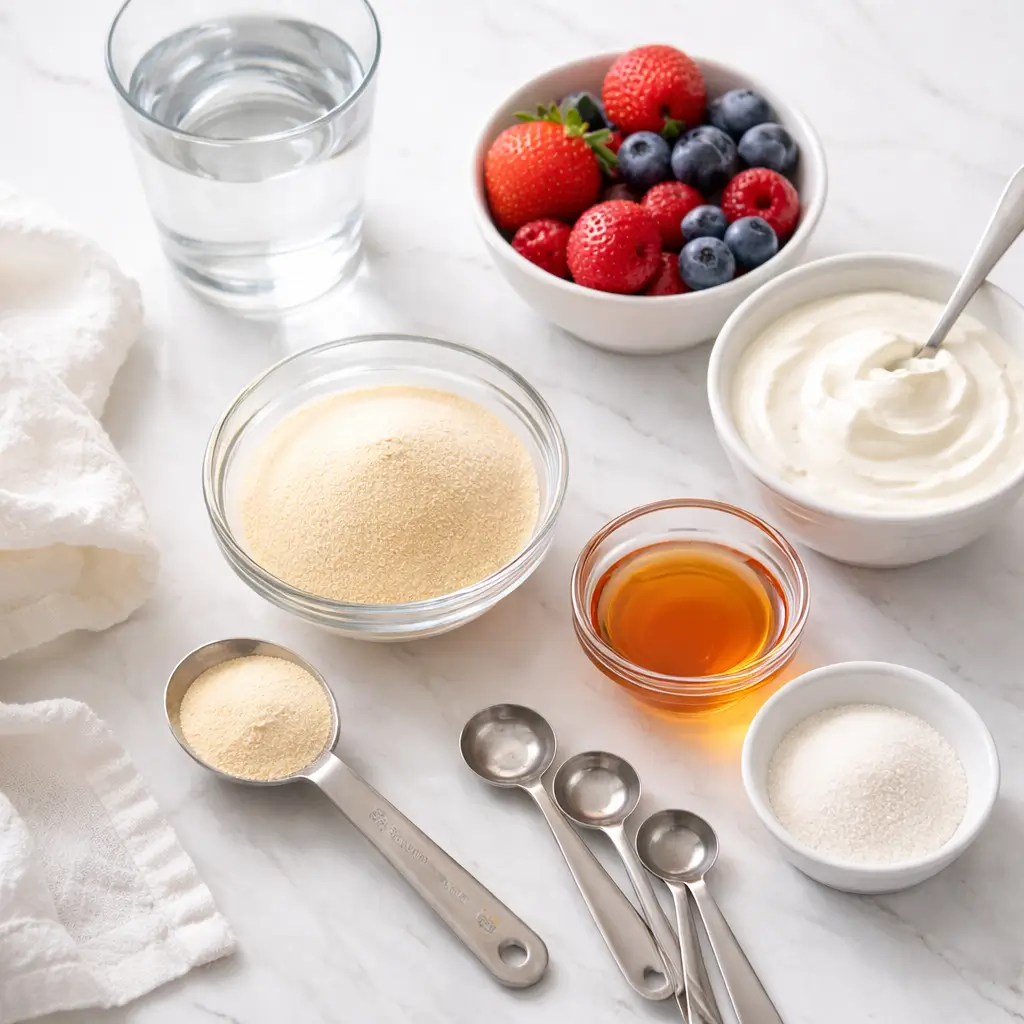
When people search for gelatin diet ingredients, they are usually looking for a clear, practical breakdown of what goes into a typical gelatin based meal plan. While there is no official “gelatin diet,” most versions rely on a consistent set of simple ingredients that make preparation easy and cost effective.
Below is a detailed overview of the most common gelatin diet ingredients used in US kitchens.
1. Unflavored Gelatin Powder
This is the foundation of nearly all gelatin diet ingredients. It contains pure protein derived from collagen and allows full control over sweetness and flavor. Most recipes use powdered gelatin because it dissolves easily and sets reliably.
2. Water
Water is essential for activating gelatin. It is first used to “bloom” the powder, then heated to dissolve it completely. Since gelatin diet ingredients are often low calorie, water acts as a volume enhancer without adding calories.
3. Sugar Free Flavorings
Many gelatin diet ingredients include:
- Sugar free drink mixes
- Unsweetened fruit extracts
- Natural citrus juice
- Stevia or monk fruit sweeteners
These help create low sugar snacks while keeping calorie content controlled.
4. Fruit (Fresh or Pureed)
Some variations of gelatin diet ingredients include small amounts of:
- Berries
- Citrus segments
- Pureed mango or peach
Fruit adds texture and micronutrients, though it increases carbohydrate content slightly.
5. Greek Yogurt or Cottage Cheese
To improve protein quality, some people combine gelatin with dairy. This helps compensate for gelatin’s incomplete amino acid profile.
6. Protein Powder (Optional)
In higher protein versions, unflavored or vanilla protein powder may be added. This turns simple gelatin diet ingredients into a more balanced snack option.
Ingredient Comparison Table
| Ingredient | Purpose | Calories Impact | Common Use |
|---|---|---|---|
| Unflavored Gelatin | Primary protein source | Low | Base structure |
| Water | Volume & activation | None | Dissolving & setting |
| Sugar Free Flavoring | Taste | Minimal | Sweet versions |
| Fruit | Texture & nutrients | Moderate | Layered desserts |
| Greek Yogurt | Added protein | Moderate | Creamy blends |
| Protein Powder | Protein boost | Moderate | Fitness focused recipes |
Table 2: Common gelatin diet ingredients and their roles
Most gelatin diet ingredients are inexpensive, widely available in US grocery stores, and easy to combine. The flexibility of these ingredients is one reason the approach has become popular for meal prep and portion control.
How a Gelatin Diet Is Typically Followed
There is no official clinical framework for using gelatin diet ingredients, but most people follow a similar structure when incorporating them into daily eating routines. The approach usually focuses on replacing high calorie snacks or desserts with gelatin based alternatives rather than eliminating full meals.
Common Daily Structure
Most US based versions follow one of these patterns:
- Snack Replacement Model
Gelatin based cups or squares replace:- Sugary desserts
- Packaged snacks
- Late night sweets
- High Protein Add On Model
Gelatin diet ingredients are combined with yogurt or protein powder and used:- After workouts
- Between meals
- As part of meal prep
- Low Calorie Dessert Strategy
Gelatin based desserts are used to:- Reduce total daily calorie intake
- Satisfy sweet cravings
- Support portion control
Sample Day Including Gelatin Based Foods
| Meal | Example |
|---|---|
| Breakfast | Eggs, toast, fruit |
| Lunch | Grilled chicken salad |
| Snack | Protein enhanced gelatin cup |
| Dinner | Salmon, rice, vegetables |
| Dessert | Sugar free gelatin squares |

Table 3: Example day including gelatin diet ingredients
In most realistic plans, gelatin diet ingredients are not the core of every meal. Instead, they are supplemental tools for managing hunger and reducing high sugar intake.
It is important to emphasize that relying solely on gelatin for meals would not provide balanced nutrition. Since gelatin is not a complete protein and contains no fiber, vitamins, or healthy fats on its own, it should be part of a broader, varied diet.
Common Claims About Gelatin for Dieting
As interest in gelatin diet ingredients has grown in the US, several recurring claims appear across blogs, forums, and social media. Understanding these claims and what evidence actually supports helps readers make informed decisions.
Below are the most common statements associated with gelatin based dieting.
Claim 1: Gelatin Boosts Fullness and Reduces Appetite
Because gelatin is primarily protein, some people believe it significantly increases satiety. Protein in general can help promote fullness compared to refined carbohydrates. However, gelatin is not a complete protein and lacks certain essential amino acids.
Research on protein and satiety supports the role of protein overall, but specific studies on gelatin alone are limited. Any appetite control likely depends on total protein intake and overall calorie balance, not just gelatin diet ingredients alone.
Claim 2: Gelatin Promotes Rapid Weight Loss
Some online posts suggest dramatic or fast weight loss. There is no strong clinical evidence that gelatin itself directly causes fat loss. Weight change depends on:
- Total calorie intake
- Energy expenditure
- Dietary consistency
- Long term habits
If gelatin based snacks replace higher calorie desserts, a calorie deficit may occur. That is the likely mechanism not a unique fat burning property.
Claim 3: Gelatin Improves Metabolism
There is no high quality evidence showing gelatin specifically increases metabolic rate. Protein digestion does require more energy than carbohydrates or fats, but the effect is modest.
Claim 4: Gelatin Supports Joint or Skin Health
Gelatin contains collagen derived amino acids, which are often associated with connective tissue health. Some research on collagen peptides suggests potential benefits, but results vary and depend on dosage and formulation.
It’s important to separate general collagen research from claims tied directly to gelatin diet ingredients used in low calorie desserts.In summary, gelatin can be a useful high protein ingredient, but it is not a standalone solution for weight management
Potential Benefits of Using Gelatin in a Diet Plan
While gelatin diet ingredients are sometimes surrounded by exaggerated claims, there are several practical reasons people include them in structured meal plans. These benefits relate more to overall eating patterns than to gelatin as a “magic” food.
1. Low Calorie Volume
Gelatin sets into a firm texture while containing very few calories. When mixed with water and sugar free flavoring, it creates a dessert like portion with minimal energy density. This can help some individuals feel satisfied without increasing total calorie intake.
2. Protein Contribution
Unflavored gelatin provides about 6 grams of protein per tablespoon. While it is not a complete protein, it can still contribute to total daily protein intake when combined with other protein sources.
3. Portion Control
Gelatin based recipes are often prepared in individual cups or squares. This pre portioning can help with consistency and reduce unplanned snacking.
4. Budget Friendly Ingredient
Compared to specialty diet products, most gelatin diet ingredients are inexpensive and widely available in US grocery stores.
5. Versatility in Recipes
Gelatin can be used in:
- Layered desserts
- Protein snack cups
- Yogurt blends
- Savory dishes (in some traditional cuisines)
These benefits are functional rather than dramatic. Gelatin works best as a supportive ingredient within a balanced eating plan.
Limitations and Considerations Before Relying on Gelatin
Although gelatin diet ingredients can be useful in certain meal plans, they also come with important limitations. Understanding these factors helps maintain realistic expectations and balanced nutrition.
1. Not a Complete Protein
Gelatin lacks tryptophan and contains lower amounts of several essential amino acids. This means it cannot fully replace complete protein sources such as eggs, poultry, fish, dairy, legumes, or soy. Relying too heavily on gelatin may reduce overall protein quality.
2. Minimal Micronutrients
On its own, gelatin provides almost no vitamins, minerals, fiber, or healthy fats. Diets built mainly around gelatin based snacks may lack nutritional diversity unless paired with whole foods.
3. Short Term Satiety
While protein can increase fullness, gelatin is quickly digested compared to slower digesting proteins like casein or fiber rich meals. Some individuals may not feel sustained fullness for long periods.
4. Over Simplification of Weight Loss
Weight management depends on total calorie balance, movement, sleep, and consistency. Gelatin diet ingredients can support a structured plan, but they cannot override overall lifestyle patterns.
5. Dietary Restrictions
Since gelatin is animal derived, it is not suitable for vegetarian or vegan diets. Those following plant based eating patterns typically use agar agar as an alternative.
How to Choose Quality Gelatin in US Stores
Not all gelatin products are identical. When selecting gelatin diet ingredients, reading labels carefully can help ensure you’re getting a product that aligns with your nutrition goals.
1. Unflavored vs. Flavored Gelatin
Unflavored gelatin powder is typically the best option for flexibility. It contains pure protein without added sugar, artificial coloring, or preservatives.
Flavored gelatin products often contain:
- Added sugar
- Artificial sweeteners
- Food dyes
- Preservatives
If the goal is controlled calorie intake, unflavored gelatin gives more control over ingredients.
2. Ingredient List Length
A simple ingredient list is usually preferable. Ideally, the label should list:
- Gelatin
That’s it.
Short ingredient lists make it easier to manage total sugar and additives.
3. Grass Fed or Conventional Sources
Some brands market grass fed gelatin. While marketing claims vary, nutritionally the protein structure is very similar. The difference is typically related to sourcing practices rather than dramatic nutritional changes.
4. Powder vs. Sheets
In the US, powdered gelatin is more common and easier for meal prep. Gelatin sheets are often used in culinary settings but function similarly.
5. Storage and Shelf Stability
Gelatin has a long shelf life when stored in a cool, dry place. This makes gelatin diet ingredients convenient for bulk buying and meal prep planning.
Selecting the right product ensures you maintain control over calories, sugar, and overall diet structure.
Popular Recipe Formats Using Gelatin
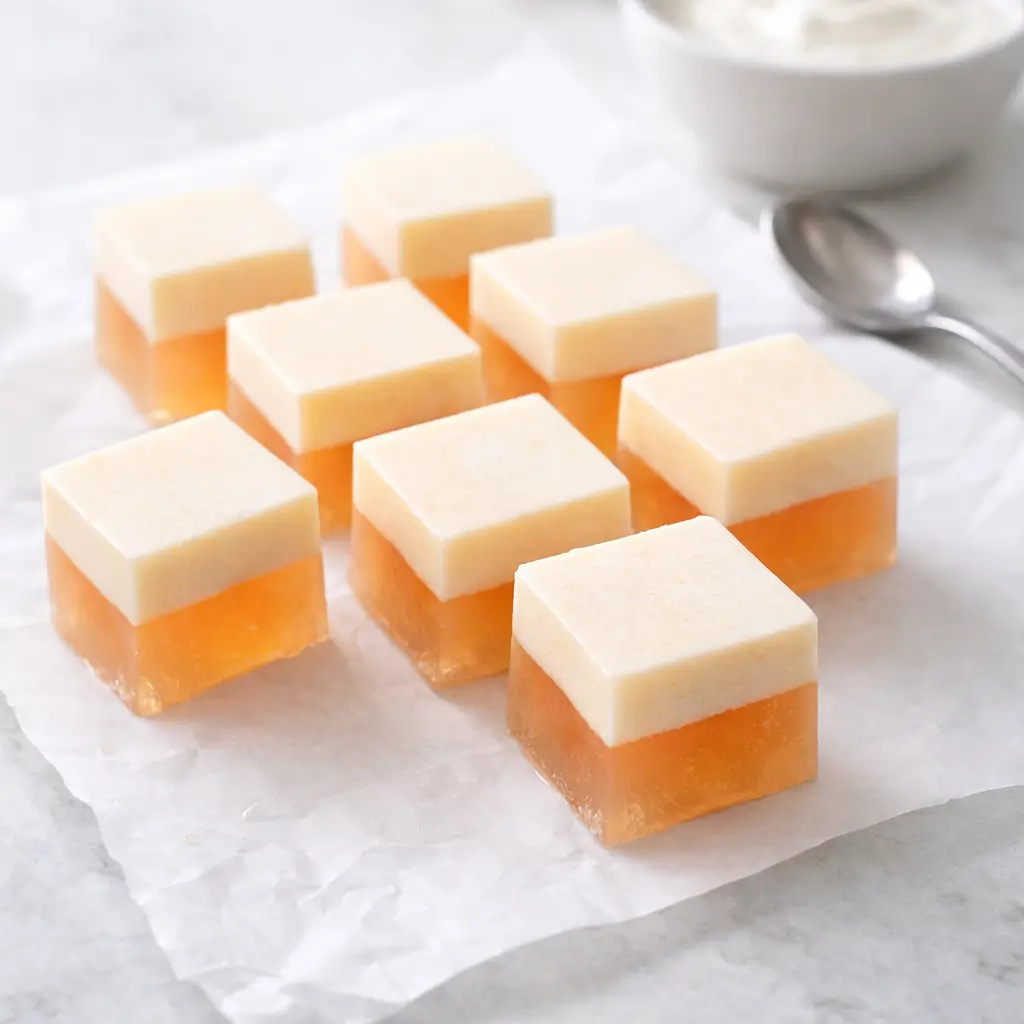
One reason gelatin diet ingredients remain popular is their versatility. They can be transformed into multiple textures and formats, making them adaptable for different meal plans and taste preferences.
Below are the most common ways gelatin is used in diet focused recipes across the US.
1. Classic Sugar Free Gelatin Cups
This is the simplest format. Unflavored gelatin is mixed with water and sugar free flavoring, poured into containers, and chilled until firm. These are often pre portioned for:
- Midday snacks
- Low calorie desserts
- Evening sweet cravings
They are easy to batch prepare and store for several days.
2. Protein Gelatin Blends
Some people combine gelatin with:
- Greek yogurt
- Cottage cheese
- Protein powder
This creates a thicker, mousse like texture and increases overall protein quality. These versions are more nutritionally balanced than plain gelatin alone.
3. Layered Gelatin Parfaits
Layering gelatin with fruit or yogurt creates visually appealing meal prep desserts. While fruit adds natural sugars, it also contributes fiber and micronutrients.
4. Savory Gelatin Applications
Though less common in dieting contexts, gelatin is traditionally used in broths and savory aspic style dishes. In modern meal planning, it sometimes appears in high protein broth cubes or gelatin enriched soups.
5. Gelatin Gummies
Homemade gummies made from gelatin diet ingredients are popular in fitness communities. They are usually made with:
- Gelatin
- Fruit juice (often diluted)
- Natural sweetener
Portion control is key, as juice based versions contain more sugar.
These formats show that gelatin functions more as a culinary tool than a structured diet system
How Gelatin Fits Into a Balanced Eating Plan
To understand gelatin diet ingredients realistically, it helps to place them within a broader nutrition framework. Gelatin works best as a supportive ingredient not a foundation of daily meals.
Protein Balance Matters
Since gelatin is not a complete protein, it should be paired with foods that provide all essential amino acids. Examples include:
- Eggs
- Poultry
- Fish
- Dairy
- Beans and lentils
- Soy products
This combination ensures that total daily protein intake meets quality standards.
Fiber and Micronutrients Are Essential
Plain gelatin contains no fiber and almost no vitamins or minerals. A balanced meal plan should include:
- Vegetables
- Whole fruits
- Whole grains
- Nuts and seeds
Without these foods, long term nutritional gaps can develop.
Calorie Awareness
Replacing high calorie desserts with gelatin based alternatives may reduce overall calorie intake. However, sustainable results depend on:
- Consistency
- Total calorie balance
- Physical activity
- Sleep patterns
Not a Standalone Solution
Gelatin diet ingredients are tools similar to protein bars or yogurt. They can support structure and portion control but do not override the fundamentals of nutrition.
Who Might Benefit Most from Gelatin Diet Ingredients?
Not everyone needs gelatin diet ingredients in their meal plan, but certain individuals may find them practical and easy to use. Understanding who benefits most helps keep expectations realistic.
1. People Looking for Low Calorie Snack Options
Individuals trying to reduce high sugar desserts often turn to gelatin diet ingredients as a substitute. Because plain gelatin is low in calories, it can replace sweets without significantly increasing daily energy intake. This substitution effect rather than any special fa burning property is where gelatin diet ingredients may offer value.
2. Budget Conscious Meal Planners
Compared to specialty diet foods, gelatin diet ingredients are inexpensive and widely available in US grocery stores. For people building a structured meal plan on a tight budget, gelatin can be a cost effective way to add protein based snacks.
3. Meal Prep Enthusiasts
Those who prefer preparing food in advance may appreciate how easily gelatin diet ingredients can be portioned into cups or molds. Pre made servings support consistency and reduce impulse snacking.
4. Individuals Increasing Protein Intake
Although gelatin is not a complete protein, gelatin diet ingredients can contribute to total protein intake when paired with yogurt, eggs, poultry, or legumes.
5. People Seeking Simple Food Structure
Some individuals benefit from simplified food routines. Gelatin diet ingredients are easy to measure, predictable in calories, and require minimal cooking skills.
However, they may not be ideal for:
- Vegetarians or vegans
- Individuals needing high fiber diets
- Those seeking whole food based eating patterns
Like many food strategies, gelatin diet ingredients work best when integrated thoughtfully into a varied, balanced approach rather than used as a restrictive system.
Key Takeaways About Gelatin Diet Ingredients
After reviewing the evidence and practical applications, it becomes clear that gelatin diet ingredients are best understood as supportive tools rather than standalone diet solutions.
First, gelatin diet ingredients are typically built around unflavored gelatin powder, water, and optional flavorings. Some variations include yogurt, fruit, or protein powder to improve texture and nutritional balance. While these ingredients are simple and affordable, they do not create a complete meal on their own.
Second, gelatin diet ingredients may help reduce calorie intake when they replace higher sugar desserts or processed snacks. The potential benefit comes from portion control and lower energy density not from a unique fat burning effect.
Third, gelatin diet ingredients provide protein, but not complete protein. They lack certain essential amino acids and contain no fiber, vitamins, or healthy fats unless additional foods are included.
Fourth, sustainable weight management depends on total calorie balance, dietary quality, physical activity, and long term habits. Gelatin diet ingredients can fit within that structure, but they do not override it.
Finally, expectations matter. When used realistically, gelatin diet ingredients can offer convenience, structure, and flexibility. When used with exaggerated claims, they may lead to disappointment.
Conclusion
In summary, gelatin diet ingredients are simple, affordable components that can support structured eating patterns when used thoughtfully. Most approaches built around gelatin diet ingredients rely on unflavored gelatin, water, and low sugar flavorings, sometimes combined with yogurt or protein
powder for improved balance. While gelatin provides protein and low calorie volume, it is not a complete protein and does not contain essential vitamins, minerals, or fiber on its own.
The popularity of gelatin diet ingredients in the US reflects broader interest in high protein snacks and portion controlled desserts. When these foods replace higher calorie sweets, they may help reduce overall calorie intake. However, there is no strong scientific evidence that gelatin itself directly causes fat loss or dramatically changes metabolism.
For sustainable results, gelatin diet ingredients should be viewed as practical tools within a balanced diet that includes whole foods, diverse protein sources, fiber rich produce, and consistent lifestyle habits. Used realistically, they can support structure and convenience without unrealistic expectations.
FAQ
1. What are gelatin diet ingredients typically made of?
Gelatin diet ingredients usually include unflavored gelatin powder, water, and sugar free flavorings. Some recipes add Greek yogurt, cottage cheese, fruit, or protein powder to increase nutritional value. The base ingredient is animal derived gelatin, which provides protein but lacks certain essential amino acids. Many people choose unflavored versions to control sweetness and calorie content. These ingredients are widely available in US grocery stores and are commonly used in low calorie snack recipes.
2. Can gelatin diet ingredients help with weight loss?
Gelatin diet ingredients may support weight management indirectly when they replace higher calorie desserts or snacks. Since plain gelatin is low in calories and contains protein, it can contribute to satiety. However, gelatin itself does not burn fat or automatically cause weight loss. Sustainable results depend on total calorie intake, physical activity, sleep, and overall dietary patterns. Gelatin based foods work best as structured, portion controlled alternatives within a balanced meal plan.
3. Is gelatin a complete protein?
No, gelatin is not a complete protein. While it contains amino acids such as glycine and proline, it lacks tryptophan and has lower amounts of several essential amino acids. This means gelatin should not be the only protein source in a diet. To maintain balanced nutrition, it is important to combine gelatin with complete protein foods such as eggs, poultry, fish, dairy, legumes, or soy products.
4. Are gelatin diet ingredients safe for daily use?
For most healthy individuals, moderate consumption of gelatin diet ingredients is generally considered safe as part of a varied diet. However, relying heavily on gelatin without including fruits, vegetables, whole grains, and complete proteins may lead to nutritional gaps. Individuals with dietary restrictions, allergies, or specific medical conditions should consult a qualified healthcare professional before making major dietary changes.
5. Are gelatin diet ingredients suitable for vegetarians or vegans?
Traditional gelatin is derived from animal collagen, making it unsuitable for vegetarian or vegan diets. Plant based alternatives such as agar agar can provide similar gelling properties, but they do not contain the same protein structure. Individuals following plant based diets may choose these alternatives for texture purposes, though they will not provide the protein content found in animal derived gelatin.
Follow Us YOUTUBE