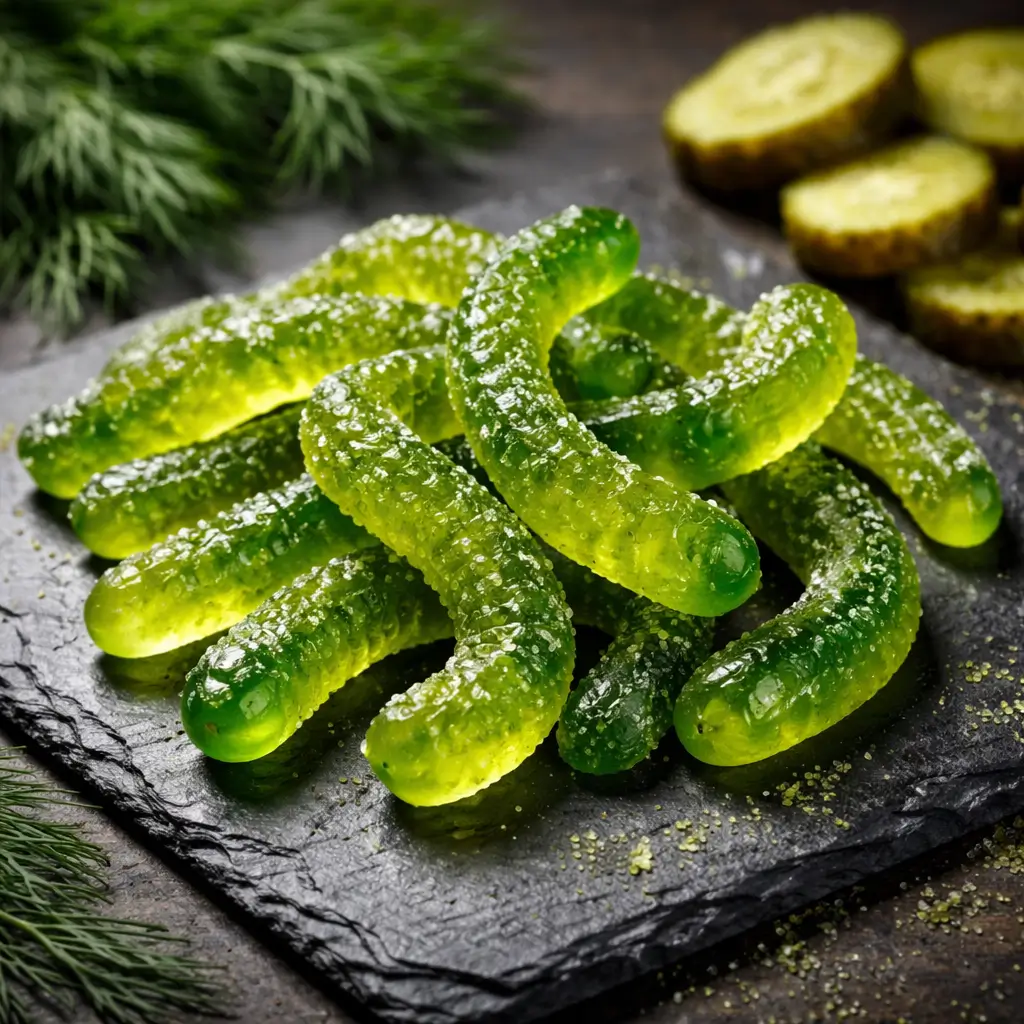
In today’s dill pickle gummy worms have carved out a surprising place in the novelty candy world. Combining the chewy texture of classic gummy worms with the sharp, briny taste of dill pickles, they challenge expectations about what candy is supposed to taste like.
For curious candy lovers, dill pickle gummy worms offer a bold contrast to traditional sweet gummies. Instead of fruit forward flavors like cherry or lemon, these gummies lean into tangy vinegar notes, herbal dill seasoning, and a salty sour finish. The result is a snack that feels playful, unexpected, and intentionally different from mainstream sweets.
At their core, dill pickle gummy worms are gelatin based candies infused with pickle style flavoring. They are typically shaped like traditional gummy worms long, flexible, and slightly translucent but colored in green or green and yellow shades to visually signal their pickle inspired taste. Some versions even include a light sugar or sour coating to amplify the tangy effect.
Their appeal lies in contrast. Sweet texture meets savory flavor. Familiar candy form meets unconventional taste. That tension is exactly what makes them memorable.
What Exactly Are Dill Pickle Gummy Worms?
Dill pickle gummy worms are gelatin based novelty candies flavored to mimic the taste of dill pickles. Unlike traditional gummy worms that feature fruity flavors such as strawberry, orange, or grape, these gummies are infused with vinegar, dill seasoning, and mild salty notes.
They typically share the same chewy, elastic texture as standard gummy candy. The difference lies entirely in flavor composition. Instead of sweetness being the dominant characteristic, tanginess and herbal dill notes take center stage.
Most commercially produced versions use:
- Gelatin or pectin (for structure)
- Sugar or corn syrup (for base sweetness and texture)
- Citric acid (for sourness)
- Natural or artificial dill pickle flavoring
- Green food coloring
The flavor is not identical to biting into a fresh dill pickle spear, but it is clearly inspired by that familiar briny profile. The sweetness balances the acidity so the candy remains snackable rather than overwhelmingly sharp.
In short, they are a hybrid: part candy, part savory novelty, designed for people who enjoy unusual flavor combinations.Dr Oz Pink Gelatin Trick Recipe: Proven Results?
Flavor Profile Do They Really Taste Like Pickles?
The flavor of dill pickle gummy worms is intentionally bold but balanced. While they aim to resemble dill pickles, they are not exact replicas of refrigerated pickle spears or deli style pickles. Instead, they capture key flavor notes in candy form.
Here’s how the flavor typically breaks down:
| Flavor Element | How It Tastes in Gummy Form | Intensity Level |
|---|---|---|
| Vinegar Tang | Sharp, slightly sour kick | Medium to High |
| Dill Herb | Light herbal freshness | Mild to Medium |
| Saltiness | Subtle savory undertone | Low |
| Sweetness | Candy style base sweetness | Medium |
| Sour Coating (if added) | Extra tangy finish | Medium |
The first taste is usually sweet and sour, similar to a sour gummy candy. After a second or two, the dill and vinegar notes become more noticeable. This layered effect is what makes them distinctive.
They are generally less salty than real pickles and less acidic than pickle brine. Manufacturers adjust the balance to keep the candy enjoyable rather than overpowering.
For pickle enthusiasts, the herbal tang is recognizable. For sour candy fans, the acidity provides a familiar thrill. The experience sits somewhere between a sour gummy and a mild pickle chip.
Why Dill Pickle Candy Became Popular
The rise of dill pickle gummy worms is closely tied to broader novelty candy trends in the United States. Over the past decade, consumers have shown increasing interest in bold, unconventional flavors that blend sweet with savory.
Several cultural and market trends contributed to their popularity:
1. The Pickle Flavor Boom
Pickle flavored chips, popcorn, sunflower seeds, and even beverages have gained traction. As pickle flavored snacks became mainstream, candy makers experimented with translating that flavor into gummies and hard candies.
2. Social Media & Viral Foods
Unusual foods perform well on platforms like TikTok and Instagram. Bright green gummy worms with pickle flavor generate curiosity, taste test videos, and reaction content. Novelty equals shareability.
3. Growing Demand for Sour Candy
Sour candy continues to rank high in U.S. confectionery sales. Dill pickle gummy worms naturally fit into this category because they deliver acidity without relying solely on citric acid.
4. Adventurous Snack Culture
Younger consumers, especially Gen Z, often seek “try it once” snacks. Even people unsure about liking them may purchase out of curiosity.
Unlike traditional sweets that rely on comfort and familiarity, these gummies rely on surprise. Their appeal isn’t just flavor it’s the experience of trying something unexpected.
Ingredients Used in Dill Pickle Gummy Worms
Understanding the ingredient structure of dill pickle gummy worms helps explain their texture, flavor balance, and shelf stability. While formulas vary by brand or homemade version, most follow a similar base composition.
Here is a typical ingredient breakdown:
| Ingredient | Purpose in the Candy | Notes |
|---|---|---|
| Gelatin (or Pectin) | Creates chewy texture | Gelatin is most common |
| Sugar | Sweetness and structure | Balances acidity |
| Corn Syrup | Prevents crystallization | Adds elasticity |
| Citric Acid | Sourness | Enhances pickle tang |
| Natural/Artificial Dill Flavor | Signature flavor | Mimics real dill |
| Vinegar Powder | Tangy profile | Adds briny note |
| Salt | Savory undertone | Used lightly |
| Green Food Coloring | Visual appeal | Signals pickle flavor |
Commercial dill pickle gummy worms rely on controlled acidity levels to avoid overpowering the candy. Vinegar powder and citric acid work together to create the sour briny taste associated with pickles.
In homemade dill pickle gummy worms, ingredients are often simpler. Some recipes use pickle juice as a flavor base combined with gelatin and a sweetener. However, homemade versions typically have a softer texture and shorter shelf life compared to store bought varieties.
The balance of sweet and tangy is crucial. Without enough sweetness, dill pickle gummy worms would taste overly sharp. Without acidity, they would lose their defining pickle inspired character.
This careful ingredient balance is what makes dill pickle gummy worms distinct from both traditional gummy candy and actual pickles.
How Dill Pickle Gummy Worms Are Made (Commercial Process)
Commercial dill pickle gummy worms are produced using the same core techniques as traditional gummy candies, with flavor adjustments added during formulation. The process is controlled for consistency, texture, and shelf stability.
Here is a simplified overview of how dill pickle gummy worms are typically made:
1. Heating the Base Mixture
Manufacturers combine sugar, corn syrup, water, and gelatin (or pectin for vegetarian versions). The mixture is heated to dissolve ingredients and create a smooth syrup.
2. Flavor & Acid Addition
Once the base cools slightly, dill flavoring, vinegar powder, citric acid, salt, and food coloring are added. Timing is important high heat can reduce flavor intensity.
3. Molding
The liquid candy mixture is poured into starch lined molds shaped like worms. These molds give dill pickle gummy worms their long, flexible form.
4. Setting & Drying
The gummies rest for 12 to 48 hours to firm up. Controlled drying reduces moisture, improving chewiness and extending shelf life.
5. Optional Sour Coating
Some versions are lightly dusted with a sour sugar blend to enhance tanginess.
6. Packaging
After quality checks, dill pickle gummy worms are sealed in moisture resistant packaging.
The key difference from fruit gummies lies in flavor blending. Dill pickle gummy worms require careful balance so the vinegar notes remain noticeable but not overwhelming.
How to Make Dill Pickle Gummy Worms at Home
Making dill pickle gummy worms at home is simple and requires only a few ingredients. Homemade versions will be softer and slightly less shelf stable than commercial ones, but they allow full control over flavor intensity.
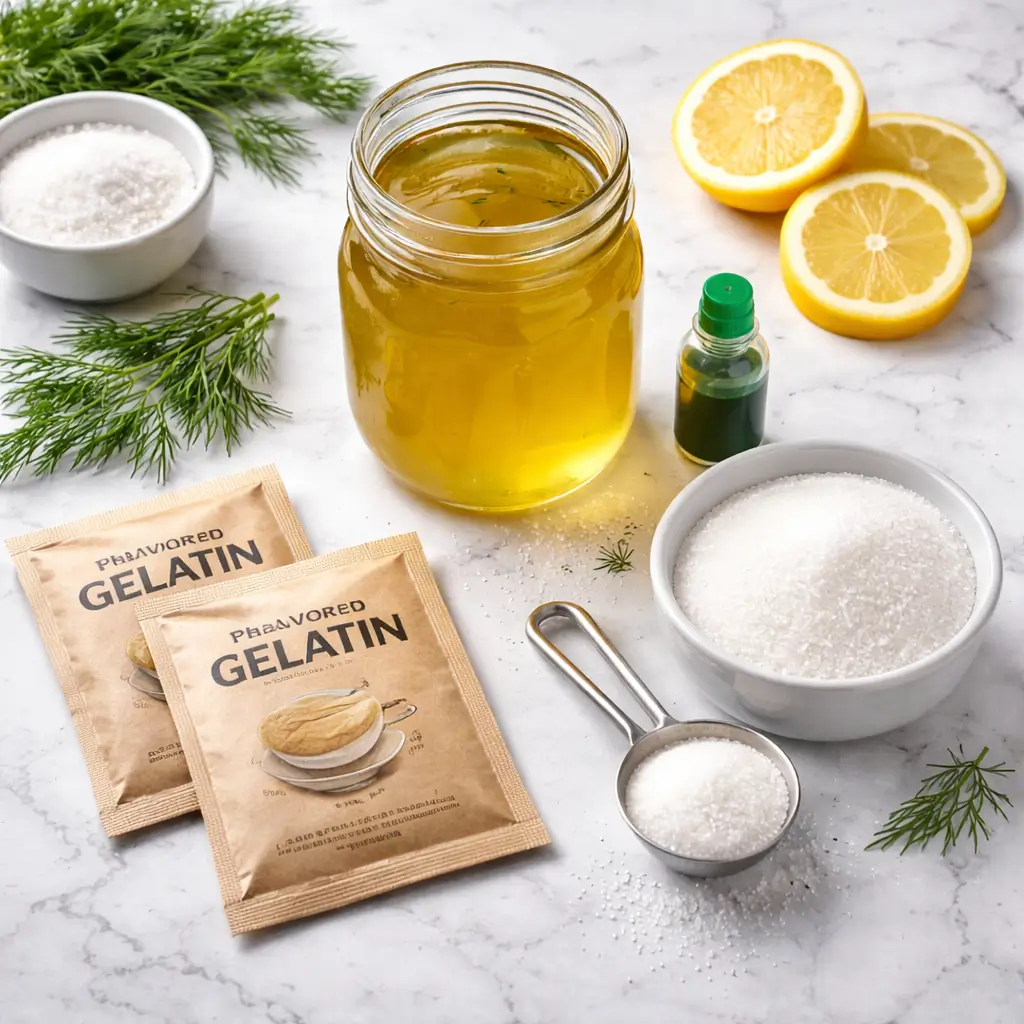
Here is a basic ingredient list for homemade dill pickle gummy worms:
Ingredients
- 1 cup dill pickle juice (strained)
- 2 to 3 tablespoons sugar (adjust to taste)
- 2 tablespoons unflavored gelatin
- 1 to 2 teaspoons lemon juice (optional, for extra tang)
- A few drops green food coloring (optional)
Preparation Steps
- Warm the pickle juice in a saucepan over low heat. Do not boil.
- Stir in sugar until fully dissolved.
- Sprinkle gelatin evenly over the warm liquid and whisk until smooth.
- Add lemon juice if desired for sharper acidity.
- Pour mixture into worm shaped silicone molds.
- Refrigerate for at least 2 to 3 hours until firm.
- Remove carefully and store in an airtight container in the refrigerator.
For firmer dill pickle gummy worms, increase gelatin slightly. For a milder taste, dilute pickle juice with water before heating.
Homemade dill pickle gummy worms typically last 5 to 7 days refrigerated. Because they contain real pickle juice, they may have a slightly more authentic briny flavor compared to store bought versions.
Texture, Shelf Life, and Storage
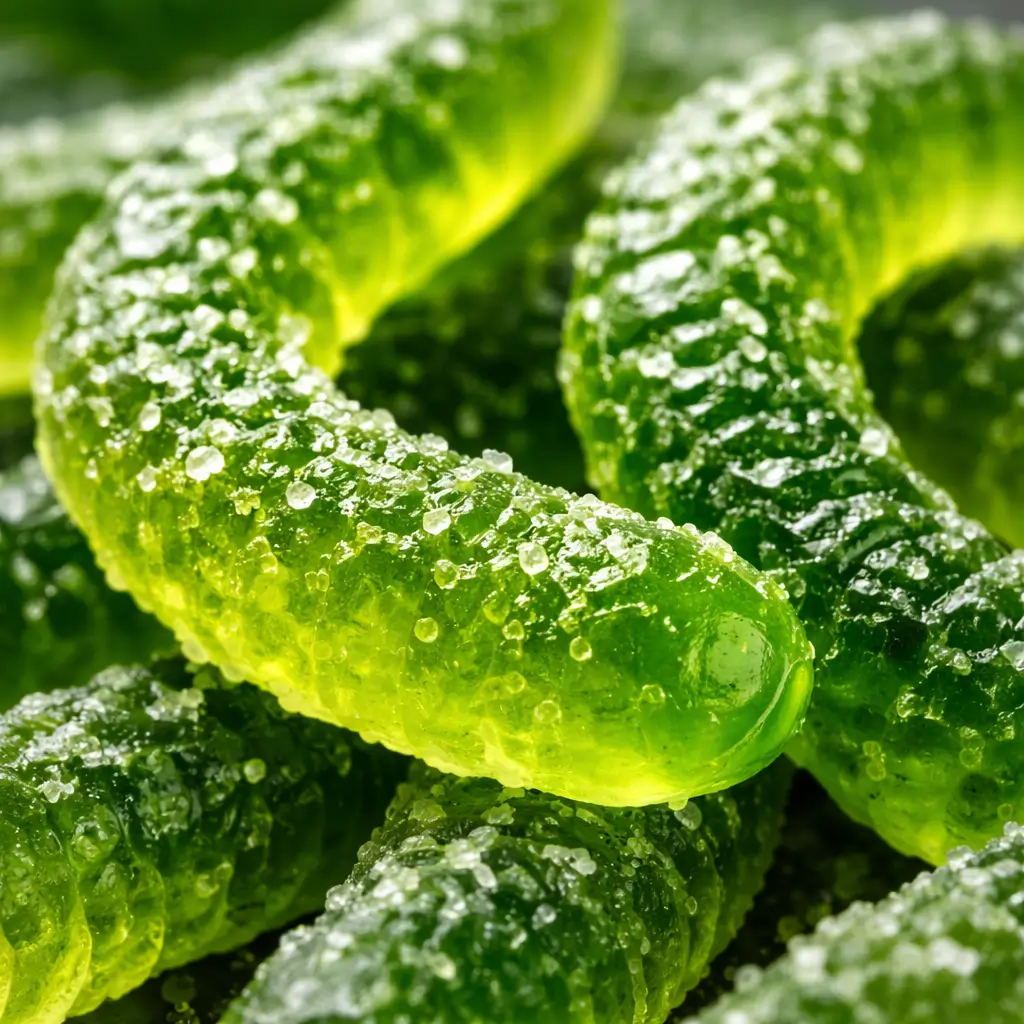
The texture of dill pickle gummy worms is one of their defining characteristics. Like traditional gummy candy, they are designed to be chewy, flexible, and slightly elastic. However, the acidity level in dill pickle gummy worms can slightly affect firmness depending on formulation.
Texture Differences
- Commercial dill pickle gummy worms tend to be firmer and more elastic due to controlled moisture levels and stabilizers.
- Homemade versions are usually softer and may feel slightly more delicate because they lack commercial drying processes.
Acid content plays an important role. Too much vinegar or citric acid can weaken gelatin structure, making dill pickle gummy worms softer over time. Manufacturers carefully balance pH to maintain chewiness.
Shelf Life Comparison
| Version | Storage Method | Typical Shelf Life |
|---|---|---|
| Commercial | Sealed bag, room temperature | 6 to 12 months |
| Homemade | Airtight container, refrigerated | 5 to 7 days |
For best quality:
- Keep commercial dill pickle gummy worms sealed to prevent moisture loss.
- Store homemade versions in the refrigerator.
- Avoid direct sunlight or heat, which can cause melting or texture changes.
Proper storage ensures dill pickle gummy worms maintain their intended balance of chew and tang without becoming sticky or overly firm.
Where to Buy Dill Pickle Gummy Worms in the U.S.
Dill pickle gummy worms are widely available in the United States, especially through novelty candy retailers and online marketplaces. Because they fall into the specialty or novelty category, they may not always appear in every standard grocery store, but they are easy to find with targeted searching.
Common places to buy them include:
- Online marketplaces (Amazon, specialty candy websites)
- Novelty candy stores
- Gift shops
- Seasonal pop up candy retailers
- Some large chain stores during specialty candy promotions

Availability often increases around holidays or themed gift seasons, when unusual candies sell well as stocking stuffers or party favors.
If shopping in person, check the novelty or international candy aisle rather than the standard chocolate section. Dill pickle gummy worms are typically packaged in resealable pouches with bold green labeling to emphasize their pickle flavor.
Prices vary based on brand and package size, but they are usually priced slightly higher than traditional fruit gummy worms due to their niche positioning.
For consistent availability, online purchasing remains the most reliable option in the U.S. market.
Who Enjoys Dill Pickle Gummy Worms Most?
Dill pickle gummy worms appeal to a specific but growing audience. While they may not replace traditional fruit gummies, they have built a loyal following among certain consumer groups.
1. Pickle Flavor Enthusiasts
People who enjoy pickle flavored chips, popcorn, or sunflower seeds are often curious about dill pickle gummy worms. The herbal, briny flavor translates well for those already familiar with pickle snacks.
2. Sour Candy Fans
Consumers who enjoy sour belts, sour gummy worms, or other tangy candies often appreciate the acidic edge of dill pickle gummy worms.
3. Novelty Snack Collectors
Some buyers purchase unusual candies simply to try something new. Dill pickle gummy worms fit into the broader novelty candy trend, where surprise is part of the appeal.
4. Social Media Food Explorers
Taste test challenges and reaction videos frequently feature unconventional foods. Dill pickle gummy worms are visually recognizable and spark curiosity.
Although not universally loved, their popularity lies in contrast. The combination of chewy sweetness and pickle inspired tang creates a snack that feels playful and different from standard candy options.
Nutritional Overview and Considerations
From a nutritional standpoint, dill pickle gummy worms are similar to most gummy candies. They are primarily composed of sugar, corn syrup, and gelatin, with added flavorings and acids for taste.
Here is a general nutritional snapshot per small serving (approximately 1 ounce or 28 grams):
| Nutrient | Approximate Amount | Notes |
|---|---|---|
| Calories | 90 to 110 | Varies by brand |
| Total Sugar | 15 to 20g | Primary ingredient |
| Protein | 1 to 2g | From gelatin |
| Fat | 0g | Typically fat free |
| Sodium | 20 to 60mg | From flavor components |
Because they contain added sugar, these gummies are considered a treat rather than a nutrient dense snack. The sodium content is usually modest compared to real pickles, since the flavor is concentrated rather than brine based.
People with dietary restrictions should check labels carefully. Some versions use pork based gelatin, while others may use plant based alternatives. Artificial colors and flavorings are also common in commercially produced varieties.
As with most candy products, moderation is recommended. Their novelty flavor may encourage small portions rather than large consumption, which can naturally help limit intake.
Common Questions About This Pickle Flavored Candy
Many first time buyers have similar questions before trying this unusual treat. Below are clear, straightforward answers based on typical formulations sold in the U.S.
Do they taste like real pickles?
They are inspired by dill pickles but do not taste exactly the same. The vinegar tang and dill notes are noticeable, yet balanced with sweetness. The flavor is closer to a sweet and sour pickle chip rather than a cold deli pickle spear.
Are they very sour?
Most versions are moderately sour, not extreme. The acidity comes from citric acid and vinegar powder. Some brands add a sour sugar coating, which increases tanginess slightly.
Are they salty?
They contain a light savory note, but they are not as salty as real pickles. Sweetness remains the dominant base flavor.
Are there vegetarian options?
Some brands use pectin instead of gelatin. Always check the ingredient list for dietary preferences.
Do kids usually like them?
Reactions vary. Some enjoy the sour sweet balance, while others prefer traditional fruit flavors.
Final Thoughts on This Bold Flavor Trend
Unconventional snacks often begin as novelty experiments, but some gain lasting attention because they offer something genuinely different. Pickle flavored gummy candy fits squarely into that category. It combines a familiar chewy texture with an unexpected savory tangy profile, creating a contrast that sparks curiosity.
For fans of pickle snacks or sour treats, the flavor can feel playful and layered rather than overpowering. The sweetness softens the acidity, while dill notes provide a recognizable herbal finish. For others, the idea alone may be enough to try it once, even if only out of curiosity.
Availability in the United States continues to expand through online retailers and specialty candy stores. Homemade versions also offer a way to adjust sweetness or tang levels to personal preference.
Whether viewed as a novelty experiment or a genuinely enjoyable snack, this candy reflects a broader trend toward bold, boundary pushing flavors in modern confectionery. Its appeal lies less in tradition and more in surprise.
Conclusion
Dill pickle gummy worms represent a modern shift in candy culture where contrast drives curiosity. By combining chewy texture with tangy, herb forward flavor, they challenge expectations of what gummy candy should taste like. While they are not exact replicas of real pickles, they successfully capture key elements vinegar brightness, dill aroma, and light saltiness balanced by sweetness.
Their rise in popularity reflects larger U.S. trends: adventurous snacking, viral novelty foods, and growing interest in sour flavors. Whether purchased online, found in specialty candy shops, or made at home using simple ingredients like pickle juice and gelatin, they remain accessible to curious consumers.
Nutritionally, they function like most gummy candies primarily sugar based treats meant for occasional enjoyment. For pickle lovers, they offer a playful twist. For others, they provide a one time taste experience worth trying.
Ultimately, their appeal lies in surprise. Sweet meets savory. Candy meets pickle. That unexpected pairing is exactly what keeps people talking.
FAQ
1. Do dill pickle gummy worms actually taste like pickles?
They resemble the flavor of dill pickles but are sweeter and less salty. The vinegar and dill notes are noticeable, yet balanced by sugar. Most people describe them as sweet and sour with a light herbal finish rather than intensely briny.
2. Are they extremely sour?
No. Most varieties are moderately sour. The tang comes from citric acid and vinegar powder. Some versions include a sour coating, which increases acidity slightly, but they are generally not as intense as extreme sour candies.
3. Where can you buy them in the United States?
They are commonly sold online through major marketplaces and specialty candy websites. Some novelty candy stores and gift shops also carry them, especially during holiday seasons.
4. Can you make them at home?
Yes. A simple version can be made using pickle juice, gelatin, and sugar. Homemade varieties are softer and must be refrigerated, but they allow you to adjust sweetness and tang to your preference.
5. Are they suitable for vegetarians?
Some brands use gelatin, which is animal derived. Others use pectin, which is plant based. Always check the ingredient label to confirm.
Follow Us Facebook