
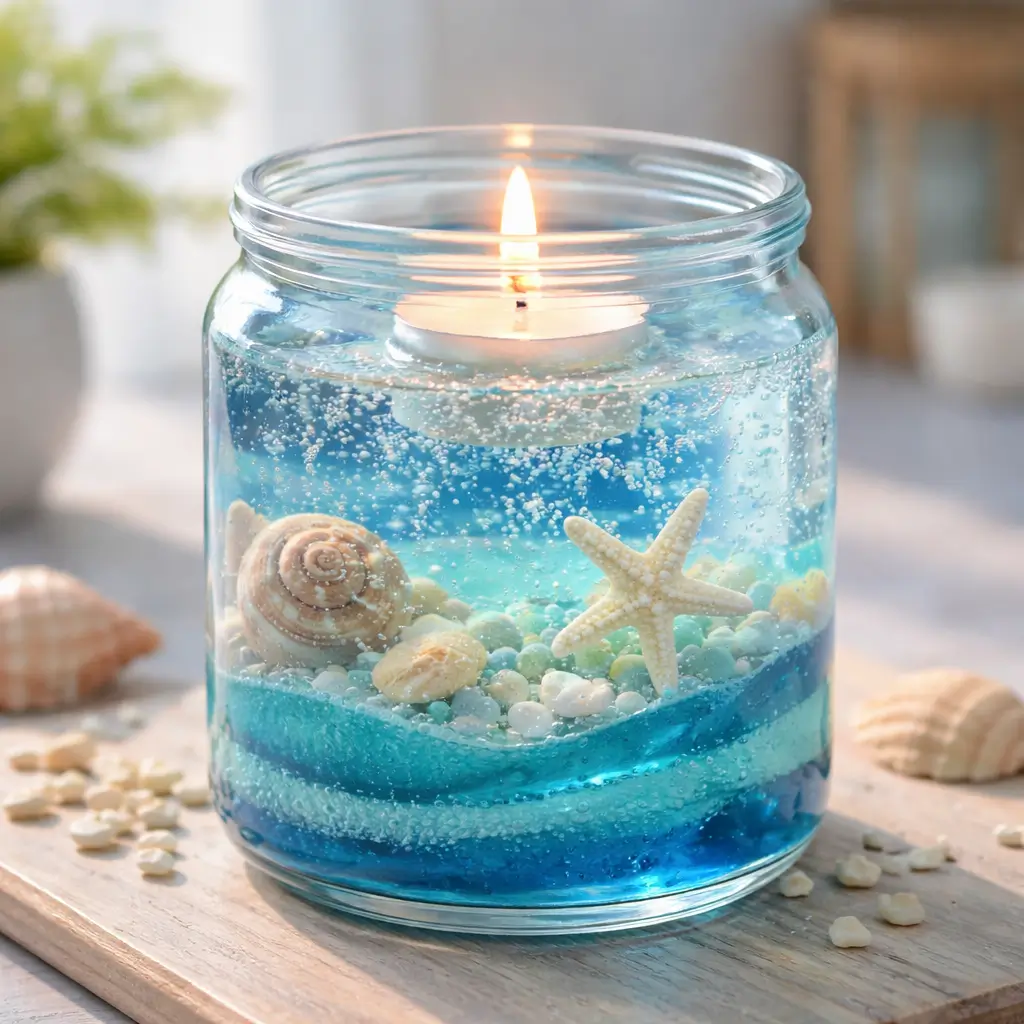
At first glance gelatin candle wax sounds like a strange concept. Most people associate candles with materials such as paraffin, soy wax, or beeswax. However many DIY craft enthusiasts have begun experimenting with gelatin because of its clear and jelly like appearance which creates a unique decorative effect.
In simple terms gelatin candle wax refers to a craft method where gelatin is used to form a transparent or semi clear candle body. Instead of functioning exactly like traditional wax, gelatin is mainly used for visual design. The candle flame usually comes from a small wax candle placed inside the gelatin structure.
Gelatin itself is a protein created from collagen and is widely used in food products such as desserts and gummy candies. When mixed with warm water and allowed to cool, it forms a firm gel. This gel texture gives crafters the ability to design candles that look like glass, water, or colorful jelly.
One of the main reasons people explore gelatin candle wax is the level of creativity it offers. Because gelatin can become transparent, decorative elements can be placed inside the candle. Many DIY projects include colored layers, glitter, small shells, dried flowers, beads, or themed decorations for holidays and events.
These candles often appear in party decorations, wedding centerpieces, and home craft projects. The visual effect can be striking because the embedded decorations appear suspended inside the clear gel.
However gelatin behaves very differently from traditional candle wax. Standard waxes are made from oils or fats that melt slowly and feed the candle flame. Gelatin contains mostly water and cannot burn in the same way. Because of this limitation, gelatin candles are usually decorative rather than practical lighting sources.
For safety and functionality, most gelatin candle designs include a small tealight or wax insert that provides the flame while the gelatin acts as a decorative outer layer.
Understanding this difference is important before attempting any DIY project. Gelatin candle wax is primarily about creative design and visual appeal rather than replacing real candle wax.Cinnamon Apple Cottage Cheese Bites You’ll Love
How Gelatin Candle Wax Became a DIY Craft Trend
The idea of gelatin candle wax gained popularity through online craft communities and social media platforms where creative projects often inspire new trends. People enjoy experimenting with materials that produce unusual visual effects, and gelatin offers a crystal clear look that traditional candle wax rarely provides.
Many decorative candles today are designed not only for light but also for aesthetic appeal. Transparent candles allow makers to display objects inside the candle body such as seashells, dried flowers, small stones, or colored layers. This design style resembles glass art while still keeping the appearance of a candle.
Gelatin works well for this type of project because it forms a smooth and clear gel when mixed with hot water and allowed to cool. The result looks similar to clear jelly or decorative gel used in certain craft products. For DIY enthusiasts this opens up many possibilities for themed candles that match different events or seasons.
For example beach themed gelatin candles often include sand, shells, and blue colored layers that imitate ocean water. Holiday candles may include red or green colors with glitter and small ornaments placed inside the gelatin. Because the material is transparent, the decorations remain clearly visible.
Another reason the trend spread quickly is accessibility. Gelatin powder is inexpensive and easy to find in grocery stores. Most projects only require basic kitchen tools such as a bowl, a heat safe container, and a mold or glass jar.
Craft bloggers and video creators began sharing tutorials showing how to combine gelatin with decorative elements to create unique candles. These tutorials made the process approachable even for beginners who had never tried candle crafting before.
However it is important to remember that gelatin candles are mostly decorative. They are often designed with a real wax tealight placed in the center or on the surface to produce the flame. The gelatin structure simply acts as a visual container that enhances the design.
This combination of creativity, simplicity, and low cost helped gelatin candle wax become a small but interesting trend in the world of DIY crafts.
Can Gelatin Actually Work as Candle Wax
A common question people ask is whether gelatin can truly replace traditional candle wax. The short answer is no. Gelatin does not function the same way as materials designed specifically for candle making.
Traditional candle wax works because it is made from oils or fats that melt slowly when exposed to heat. As the wax melts it moves up the wick and feeds the flame. This process allows the candle to burn steadily for a long period of time.
Gelatin behaves very differently. It is mainly composed of water and protein. When heated it melts quickly and returns to a liquid state rather than fueling a flame. Because of this property gelatin cannot sustain combustion the way wax does.
If someone attempted to burn a candle made entirely from gelatin the structure would simply melt and collapse instead of burning properly. The wick would not receive the steady fuel required to maintain a flame. This makes gelatin unsuitable as a direct substitute for candle wax.
For this reason most gelatin candle projects use a hybrid design. A small real wax candle such as a tealight provides the flame. The gelatin acts only as a decorative outer layer or surrounding element. This design allows the candle to appear unique while still functioning safely.
Another important factor is durability. Traditional wax candles maintain their shape at room temperature and burn gradually. Gelatin is sensitive to temperature and humidity. In warm environments the gel may soften or release water over time.
Because of these limitations gelatin candles are best treated as decorative craft pieces rather than reliable lighting tools. They work well for events, themed decorations, or creative displays but they should not replace standard candles used for everyday lighting.
Understanding the difference between decorative materials and true candle wax helps DIY crafters set realistic expectations when experimenting with gelatin.
How Gelatin Compares to Traditional Candle Wax Types
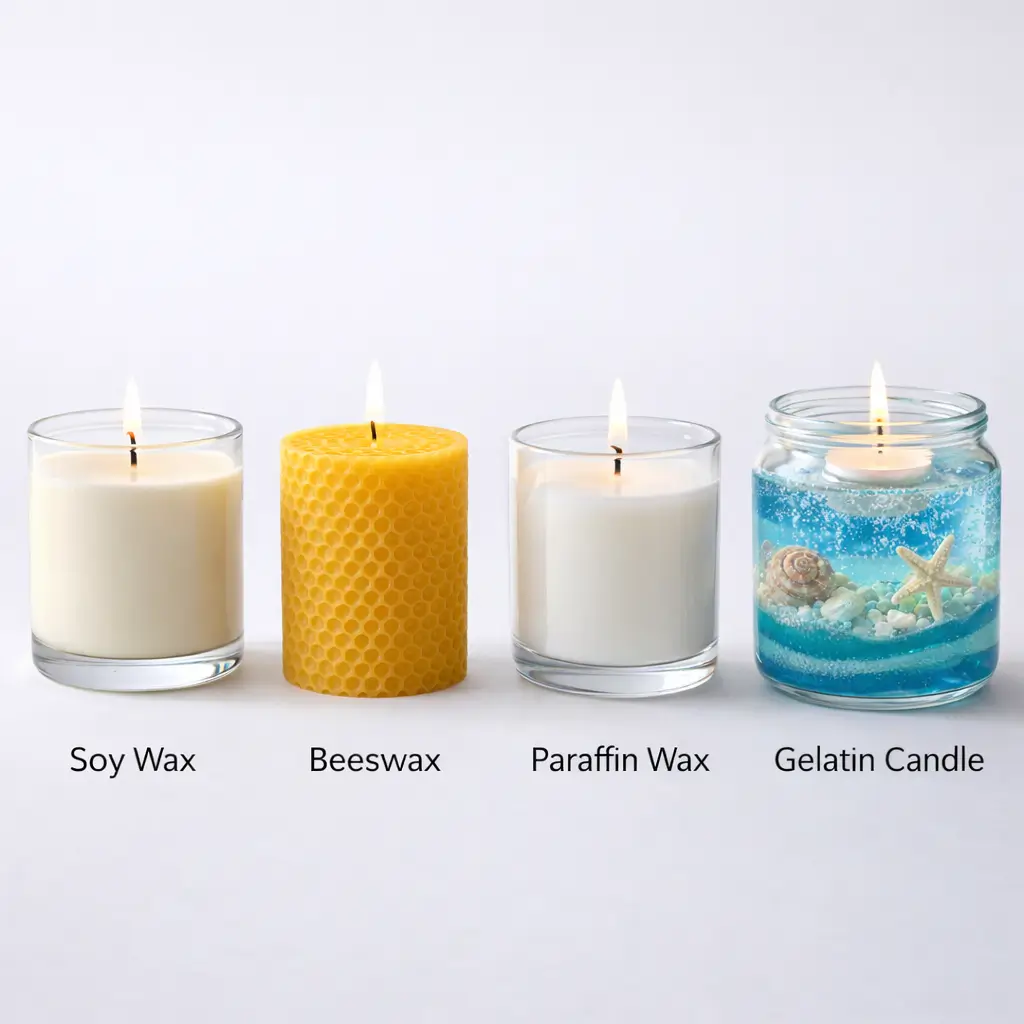
When people explore gelatin candle wax, they often wonder how it compares with common candle materials. Traditional candle waxes are specifically designed to burn efficiently and safely, while gelatin serves mostly as a decorative craft material.
The table below highlights the main differences between gelatin and common candle wax types used in candle making.
| Material | Main Source | Burn Capability | Transparency | Common Use |
|---|---|---|---|---|
| Gelatin | Animal collagen protein | Cannot sustain a flame | Clear or semi clear | Decorative craft candles |
| Paraffin Wax | Petroleum based wax | Burns easily | Opaque to slightly translucent | Mass produced candles |
| Soy Wax | Hydrogenated soybean oil | Burns clean and slow | Opaque | Eco friendly candles |
| Beeswax | Natural wax from honeybees | Long and stable burn | Natural golden color | Premium natural candles |
Paraffin wax is one of the most widely used candle materials. It melts smoothly and supports strong, consistent flames. Because it is inexpensive and easy to shape, it is commonly used in commercial candle production.
Soy wax has become popular among consumers who prefer plant based materials. It burns more slowly than paraffin and produces less soot when properly made. Many scented candles are made with soy wax because it holds fragrance oils well.
Beeswax is considered one of the most natural candle materials. It has a subtle honey scent and burns longer than many other wax types. Beeswax candles are often valued for their clean burn and warm appearance.
Gelatin differs from all of these materials because it is not an oil based substance. Instead it is a water based gel that melts quickly and cannot feed a candle flame. While its clear appearance is visually appealing, it lacks the chemical properties needed for combustion.
This is why gelatin candles are typically built around a real wax candle placed inside a container or mold. The gelatin provides the artistic design while the wax core performs the actual burning.
Understanding these differences helps explain why gelatin candle wax should be viewed as a creative decoration rather than a true replacement for traditional candle materials.
Materials Needed to Make a Gelatin Candle
Creating a gelatin candle is a simple craft project that requires only a few common materials. Many of these items can be found in a kitchen or local store, which makes the experiment accessible even for beginners who want to try decorative candle making at home.
The most important ingredient is gelatin powder. This ingredient forms the clear gel structure that surrounds the candle design. Unflavored gelatin works best because it allows the color and decorations to remain visible.
Water is used to dissolve the gelatin and create the gel mixture. When heated and then cooled, the mixture becomes firm enough to hold decorative items inside the candle container.
A small wax candle or tealight is also required. This is the part that actually produces the flame. The gelatin itself does not burn properly, so the wax insert ensures the candle can function safely.
Many crafters also add food coloring or candle safe dye to create colored layers inside the gelatin. Blue, green, and red are common choices for themed designs.
Decorative elements help create the visual appeal of gelatin candles. Popular options include small shells, beads, glass stones, dried flowers, glitter, or themed decorations. Because the gelatin can become transparent, these items appear suspended inside the candle.
You will also need a container or mold. Clear glass jars are commonly used because they allow the decorative layers to remain visible from all sides.
The table below lists the most common materials used in gelatin candle craft projects.
| Material | Purpose |
|---|---|
| Gelatin powder | Creates the clear gel body |
| Water | Activates and dissolves the gelatin |
| Tealight candle | Provides the flame |
| Food coloring | Adds color to the gel |
| Decorative items | Creates visual designs |
| Glass container | Holds the candle structure |
Choosing heat safe containers is important to prevent damage when the wax candle burns. Thick glass jars are often the safest option.
With these simple materials prepared, the next step is understanding the basic process used to create a gelatin candle.
Step by Step Guide to Making a Gelatin Candle
Making a gelatin candle is a simple craft project that focuses on visual creativity rather than traditional candle making. The process is easy to follow and requires only basic materials and patience while the gelatin cools.
Step 1: Prepare the container
Choose a clear glass jar or decorative container that will hold the candle. Make sure it is clean and completely dry. Place the tealight candle in the center of the container so you can plan where decorations will go.
Step 2: Mix the gelatin
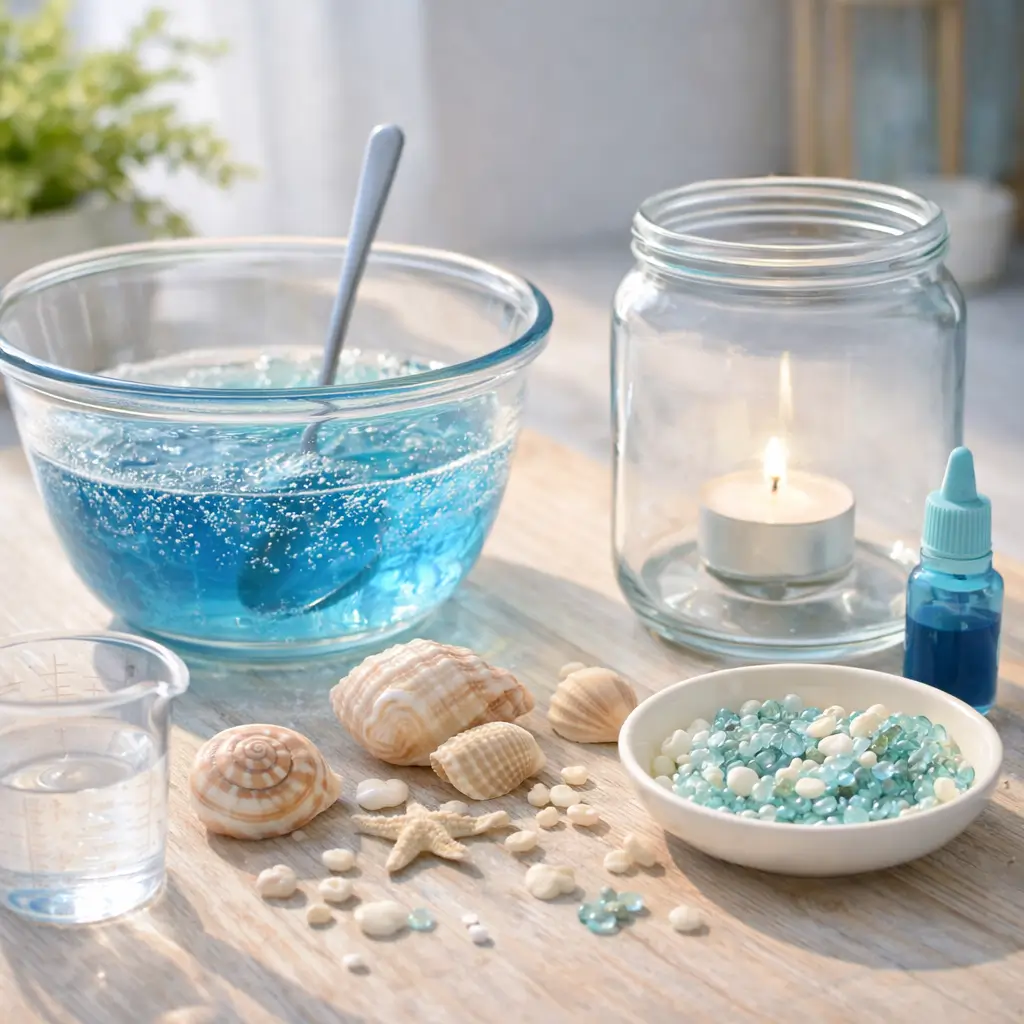
In a heat safe bowl combine gelatin powder with warm water according to the package instructions. Stir slowly until the gelatin fully dissolves and the liquid becomes smooth.
Step 3: Add color
If you want a colored candle, add a few drops of food coloring to the gelatin mixture. Stir gently until the color spreads evenly. You can also divide the mixture into separate bowls to create layered colors.
Step 4: Place decorative elements
Before pouring the gelatin mixture, place decorations such as shells, glass beads, stones, or dried flowers into the container. Arrange them carefully so they remain visible through the gel.
Step 5: Pour the gelatin
Slowly pour the gelatin mixture into the container around the tealight candle. Pouring slowly helps prevent bubbles and keeps decorations in place.
Step 6: Allow the candle to set
Let the container sit at room temperature until the gelatin begins to firm. After that, place it in a refrigerator for a short period to fully set the gel.
Step 7: Final adjustment
Once the gelatin becomes firm, check that the tealight candle is stable and easy to light. The candle should sit above the gelatin surface so the flame stays clear.
The finished candle should look clear and decorative with embedded elements visible inside the gel.
Although this project is visually appealing, remember that the gelatin is mainly decorative. The real burning element is the wax candle placed inside the design.
Creative Design Ideas for Gelatin Candle Wax
One of the biggest reasons people experiment with gelatin candle wax is the freedom it offers for creative design. Because gelatin can become clear or lightly colored, it allows decorative objects to appear suspended inside the candle. This visual effect gives gelatin candle wax projects a unique artistic style that traditional wax candles often cannot achieve.
Many DIY crafters enjoy using gelatin candle wax to create themed decorations for different occasions. The clear structure makes it possible to design candles that match seasonal events, celebrations, or home decor styles.
A popular idea is the beach inspired candle. In this design gelatin candle wax is colored with soft blue tones to resemble ocean water. Small shells, sand, and glass stones can be placed inside the container to create a coastal appearance. When a small wax candle is placed at the top, the result looks like a tiny ocean scene inside a jar.
Another creative option for gelatin candle wax is layered color designs. By pouring the gelatin mixture in stages with different colors, crafters can produce beautiful layers that resemble jelly desserts or colorful glass art. Each layer must set slightly before adding the next one to maintain clean separation.
Flower themed candles are also common in gelatin candle wax projects. Small dried flowers can be arranged carefully inside the gel so they appear preserved within the candle. This design works well for wedding decorations or spring themed centerpieces.
Holiday designs are another area where gelatin candle wax becomes especially popular. Red and green layers can be used for winter celebrations, while orange tones and small decorative pieces can create autumn inspired candles. Because gelatin candle wax is easy to color and shape, it allows endless combinations of visual themes.
The table below shows several creative design concepts often used with gelatin candle wax.
| Design Theme | Decorative Elements | Color Ideas |
|---|---|---|
| Beach theme | Shells, sand, glass stones | Light blue, turquoise |
| Flower display | Dried flowers, petals | Soft pink, purple |
| Holiday decoration | Small ornaments, glitter | Red, green, gold |
| Layered art candle | Colored gelatin layers | Multiple bright colors |
When creating gelatin candle wax designs it is best to keep decorations small and lightweight. Large objects can disturb the gel structure and reduce the clear appearance.
With thoughtful design choices gelatin candle wax can become an attractive decorative craft that adds personality to home decor or event displays.
Safety Considerations When Using Gelatin Candle Wax
When working with gelatin candle wax it is important to understand the safety aspects before lighting any candle. Although gelatin candle wax projects are mainly decorative, the presence of a flame still requires careful handling and responsible use.
The first point to remember is that gelatin candle wax itself is not designed to burn. Gelatin contains a large amount of water and protein, which means it melts rather than fuels a flame. Because of this limitation, gelatin candle wax projects should always include a small wax candle or tealight that provides the actual flame.
When preparing gelatin candle wax designs, choose containers that can handle heat safely. Thick glass jars are commonly used because they protect the gelatin structure while allowing the flame to remain stable. Thin containers may crack or become unstable when exposed to heat from the candle.
Another safety tip for gelatin candle wax is proper wick placement. The wick from the tealight should remain above the gelatin surface so that the flame stays clear of the gel material. If the wick sinks into the gelatin, the flame may struggle to burn correctly.
Decorative elements should also be selected carefully when making gelatin candle wax. Items placed inside the gel should be non flammable and small enough to remain stable. Avoid using paper decorations, plastic pieces that may melt easily, or materials that could catch fire if exposed to heat.
Ventilation is another factor to consider. While gelatin candle wax is mostly decorative, the real wax candle inside will still produce heat and light. Always place the candle on a stable surface and keep it away from curtains, fabrics, or other flammable objects.
Storage conditions can also affect gelatin candle wax designs. Gelatin can soften in warm environments, especially during hot weather. Keeping the candles in a cool room helps maintain the shape and clarity of the gel structure.
By following these basic precautions gelatin candle wax projects can remain safe decorative pieces while still providing the warm glow of a small candle.
Advantages and Limitations of Gelatin Candle Wax
Before starting a project with gelatin candle wax it helps to understand both the benefits and the limitations of this material. While gelatin candle wax can produce beautiful decorative effects, it does not behave the same way as traditional candle wax.
One of the biggest advantages of gelatin candle wax is its transparency. When the gel sets correctly it can appear clear or lightly colored. This allows decorative elements to remain visible inside the candle. Many crafters enjoy using gelatin candle wax to display shells, dried flowers, beads, or layered color designs.
Another advantage of gelatin candle wax is accessibility. Gelatin powder is easy to find in grocery stores and craft supplies are widely available. Because the materials are simple and inexpensive, beginners can experiment with gelatin candle wax projects without needing specialized equipment.
Gelatin candle wax also allows creative flexibility. It can be colored easily and poured into different containers. This makes it possible to create themed candles for holidays, events, or decorative centerpieces.
However gelatin candle wax also has several limitations. The most important limitation is that gelatin does not burn like real candle wax. Since gelatin contains mostly water, it cannot fuel a flame. For this reason gelatin candle wax designs always require a small wax candle or tealight to provide the light source.
Another limitation is temperature sensitivity. Gelatin candle wax can soften or lose its shape in warm environments. If the surrounding temperature becomes too high, the gel structure may begin to melt or release moisture.
Durability is also a concern. Traditional wax candles can last for months or even years when stored properly. Gelatin candle wax decorations may change over time, especially if exposed to humidity or heat.
Despite these limitations many people still enjoy gelatin candle wax projects because they focus on creativity rather than long term candle performance. When used as decorative pieces they can produce impressive visual results.
Understanding these advantages and limitations helps crafters decide when gelatin candle wax is the right choice for a project.
Common Mistakes When Making Gelatin Candle Wax
Many beginners become excited when trying gelatin candle wax for the first time. While the process is simple, a few common mistakes can affect the final result. Understanding these issues can help create a clearer and more stable gelatin candle wax design.
One frequent mistake with gelatin candle wax is using too much water in the mixture. If the gelatin mixture becomes too diluted, the gel may not set firmly. A weak gel structure can cause decorations to sink or move out of position. Following the recommended gelatin ratio helps the gelatin candle wax remain stable.
Another mistake is pouring gelatin candle wax while the liquid is too hot. Extremely hot gelatin can create bubbles and may disturb the placement of decorative objects. Allowing the mixture to cool slightly before pouring helps maintain a smooth and clear appearance.
Improper container selection is another issue in gelatin candle wax projects. Thin plastic cups or fragile glass containers may not handle the heat produced by the wax candle placed inside. A sturdy glass jar is usually the safest option when working with gelatin candle wax.
Decoration placement also requires careful attention. Large objects placed inside gelatin candle wax may sink to the bottom or break the visual balance of the design. Small and lightweight decorative pieces work best because they remain suspended within the gel.
Some people also place the tealight candle too deep inside the gelatin candle wax structure. When the wick sits below the gel surface, the flame may struggle to burn correctly. The wick should remain clearly above the gelatin layer to ensure proper burning.
Temperature control is another factor that affects gelatin candle wax quality. If the candle is stored in a warm room, the gel may soften and lose its shape. Keeping gelatin candle wax decorations in a cool environment helps maintain their appearance.
The table below summarizes common mistakes and simple solutions.
| Common Issue | Cause | Simple Solution |
|---|---|---|
| Weak gel structure | Too much water in mixture | Use correct gelatin ratio |
| Bubbles in gel | Pouring mixture while too hot | Let mixture cool slightly |
| Decorations sink | Objects too heavy | Use small lightweight items |
| Wick burning poorly | Wick placed below gel level | Keep wick above gel surface |
By avoiding these mistakes, gelatin candle wax projects can look clearer, more decorative, and more stable.
When to Use Gelatin Candle Wax in Crafts
Gelatin candle wax is best used when the goal is decoration rather than long term candle burning. Because gelatin candle wax creates a clear and jelly like structure, it works especially well for artistic craft projects and themed displays.
Many people choose gelatin candle wax for event decorations. Weddings, birthday parties, and seasonal celebrations often include centerpieces that combine candles with decorative elements. Gelatin candle wax allows objects such as shells, flowers, or colorful stones to appear suspended inside the candle design. This visual effect can make the decoration more interesting than a standard wax candle.
Another common use for gelatin candle wax is home craft projects. People who enjoy DIY activities often experiment with gelatin candle wax because it is inexpensive and easy to prepare. The materials required are simple, and the process allows creative freedom when choosing colors and decorative items.
Holiday themed crafts also benefit from gelatin candle wax. During festive seasons many people create decorative candles that match the theme of the celebration. Gelatin candle wax can be colored to match seasonal colors and can include small decorations that reflect the holiday atmosphere.
Educational craft projects are another area where gelatin candle wax can be useful. Teachers or hobby groups sometimes use gelatin candle wax projects to demonstrate creative design techniques. Because the material is easy to handle and visually clear, it helps show how layers and embedded objects can create decorative effects.
However gelatin candle wax is not suitable for everyday candles used for lighting rooms or long burning sessions. Traditional wax materials such as soy wax, beeswax, or paraffin remain the best options when the goal is a reliable and long lasting candle flame.
In most cases gelatin candle wax should be treated as a decorative craft element rather than a true wax replacement. When used for artistic purposes it can create visually unique candles that stand out in decorative displays.
Is Gelatin Candle Wax a Good Alternative to Traditional Wax
Many people become curious about gelatin candle wax because it looks different from standard candle materials. The clear gel structure can appear modern and decorative. However the real question is whether gelatin candle wax can replace traditional candle wax.
In practical candle making the answer is usually no. Gelatin candle wax is mainly used for decorative purposes. The chemical properties of gelatin are very different from materials that are designed to burn slowly and consistently.
Traditional wax types such as soy wax, beeswax, and paraffin wax contain oils that feed a candle flame. When these waxes melt they travel up the wick and keep the flame burning. This process allows a candle to produce steady light for a long period of time.
Gelatin candle wax behaves differently because gelatin is made from protein and water. When heat reaches the gel it melts quickly and does not provide the fuel required to sustain a flame. This means gelatin candle wax cannot function as a reliable candle fuel.
For this reason most gelatin candle wax designs rely on a small wax tealight placed inside the container. The wax candle provides the flame while the gelatin remains a decorative element around it.
There are also durability considerations. Gelatin candle wax can soften in warm temperatures and may change texture over time. Traditional candle wax remains stable under normal indoor conditions and can last much longer when stored correctly.
Despite these limitations gelatin candle wax still has value in creative crafts. The clear appearance allows decorative elements to be displayed inside the candle design. For artistic projects this can produce impressive visual results.
However when choosing materials for functional candles, traditional wax types remain the most practical and reliable choice.
Final Thoughts on Gelatin Candle Wax
Creative candle projects often attract people who enjoy experimenting with new materials. Gelatin candle wax became popular in DIY craft communities because it allows makers to produce clear decorative candles that look very different from traditional wax candles. The transparent gel structure makes it possible to place decorative elements inside the candle design.
Even though gelatin candle wax looks visually similar to certain specialty candle materials, it behaves very differently from real candle wax. Traditional candle materials are made from oils or fats that slowly melt and feed the flame through the wick. This process allows a candle to burn steadily and provide consistent light.
Gelatin does not work the same way. Because it contains mostly water and protein, it melts quickly when exposed to heat instead of fueling the flame. For this reason, gelatin candle wax cannot function as a complete substitute for standard candle materials.
Most DIY designs solve this issue by placing a small wax tealight inside the container. The wax candle provides the flame, while the gelatin layer works only as a decorative element that enhances the visual appearance of the candle.
Temperature is another factor to consider. Gelatin structures can soften in warm environments and may lose their shape over time. For that reason these candles are usually better suited for short term decorative displays rather than everyday lighting.
When used correctly, this craft idea can still produce creative and eye catching decorations for parties, themed events, and artistic home projects.
Conclusion
Gelatin candle wax has gained attention among DIY craft enthusiasts because it offers a visually unique way to create decorative candles. Unlike traditional wax materials, gelatin forms a clear gel structure that allows decorative elements such as shells, flowers, beads, or colored layers to appear suspended inside the candle design. This transparency makes gelatin candles popular for creative displays, themed decorations, and event centerpieces.
However gelatin does not behave like standard candle wax. Traditional candle materials are made from oils that slowly melt and fuel a flame through the wick. Gelatin contains mostly water and protein, which means it melts quickly and cannot support a steady flame on its own.
Because of this limitation most gelatin candle designs include a small wax tealight or candle insert. The wax provides the flame while the gelatin structure serves as a decorative outer layer that enhances the visual appearance.
Temperature sensitivity is another important consideration. Gelatin candles can soften in warm environments and may not last as long as traditional wax candles.
Despite these limitations gelatin candle wax remains a fun and creative craft idea that allows people to experiment with decorative candle designs while adding a unique artistic touch to home decor or special events.
FAQ
1. What is gelatin candle wax used for
Gelatin candle wax is mainly used for decorative craft projects rather than practical candle burning. The clear gel structure allows makers to embed decorative items such as shells, dried flowers, beads, or colored layers inside the candle design. Because gelatin itself cannot sustain a flame, most projects include a small wax candle or tealight placed inside the container. The wax provides the flame while the gelatin works as a transparent decorative layer. These candles are often used for party centerpieces, themed decorations, and DIY home decor projects where visual appearance is more important than long term candle performance.
2. Can gelatin really replace traditional candle wax
Gelatin cannot fully replace traditional candle wax. Real candle wax materials such as soy wax, beeswax, or paraffin are made from oils that melt slowly and feed the candle flame through the wick. Gelatin contains mostly water and protein, which means it melts quickly when heated and does not provide fuel for a flame. Because of this limitation gelatin is usually used only as a decorative element surrounding a real wax candle. This approach allows crafters to enjoy the creative look of gelatin while still maintaining a functional and safe candle flame.
3. Is it safe to make gelatin candles at home
Gelatin candles can be safe to make at home if basic precautions are followed. The most important rule is to always use a real wax candle or tealight to provide the flame rather than trying to burn the gelatin itself. It is also important to use heat resistant glass containers and keep decorative elements small and non flammable. Placing the wick above the gelatin surface ensures the flame burns properly. When handled carefully, gelatin candle projects can be a safe and enjoyable DIY craft activity.
4. How long do gelatin candles last
Gelatin candles usually do not last as long as traditional wax candles because gelatin is sensitive to temperature and humidity. In warm environments the gel structure may soften or release moisture over time. For this reason gelatin candles are best used as short term decorations for events, parties, or seasonal displays. Storing them in a cool environment can help maintain their shape and clarity for a longer period. Since the flame comes from a small wax candle insert, the burn time depends mainly on the tealight used.
5. What decorations work best inside gelatin candles
Small and lightweight decorations work best inside gelatin candles. Popular options include shells, glass beads, colored stones, dried flowers, and glitter. These items remain visible through the clear gel and create interesting visual effects. Heavy objects should be avoided because they may sink to the bottom of the container before the gelatin sets. Non flammable materials are also recommended to maintain safety when the candle flame is lit. Choosing simple decorative elements helps keep the design clear and visually appealing.
Follow Us Facebook