
For beginners how to make gummy bears from scratch can seem complicated, especially when store bought versions are so easy to grab. Yet these small, chewy candies are simply flavored, sweetened gelatin based treats that can be recreated in your own kitchen with just a handful of ingredients and the right technique.
If you are wondering how to make gummy bears without artificial colors, preservatives, or excess sugar, this guide will walk you through every detail. From understanding what gives gummy bears their signature chew to mastering the correct setting time, you’ll learn how to create consistent, flavorful results at home.
Gummy bears are soft, gelled candies traditionally made with gelatin, sugar, flavoring, and food coloring. Their iconic texture comes from properly hydrated gelatin that firms up as it cools. Commercial versions often include corn syrup and stabilizers, but homemade gummy bears can be simplified and customized using fruit juice, natural sweeteners, or even sugar free alternatives.
Making them yourself offers several advantages:
- Full control over ingredients
- Custom flavors and colors
- Adjustable sweetness
- Fun shapes using silicone molds
- Fresh, clean taste without additives
In the sections ahead, you’ll learn exactly what ingredients you need, how each component affects texture, and the precise steps required to achieve that classic chewy consistency.Gelatin Gummy Recipe: Simple and Fun to Make
The Science Behind That Perfect Chewy Texture
The signature chew of gummy bears isn’t accidental it’s chemistry. Understanding what creates that firm yet bouncy texture will help you avoid common mistakes and consistently achieve professional quality results at home.
At the center of every traditional gummy bear recipe is gelatin. Gelatin is a protein derived from collagen, and when it’s properly hydrated and gently heated, it forms a flexible gel structure. As the mixture cools, that structure traps liquid inside a delicate protein network creating the chewy bite gummy bears are known for.
Here’s what affects texture most:
1. Gelatin Strength (Bloom Level)
Higher bloom gelatin creates a firmer set. Most store bought unflavored gelatin in the US works perfectly for homemade gummies.
2. Liquid Ratio
Too much liquid results in soft, sticky gummies. Too little creates overly stiff candy. The balance must be precise.
3. Heating Temperature
Boiling gelatin weakens its structure. Gentle heating is critical. Overheating leads to rubbery or grainy texture.
4. Sugar Content
Sugar doesn’t just sweeten it affects elasticity and shelf stability. Corn syrup (optional) improves chewiness and prevents crystallization.
5. Setting Time
Proper chilling allows the protein network to fully stabilize. Rushing this step results in sticky or misshapen gummies.
When these variables are balanced correctly, you get that classic resistance when you bite down followed by a smooth, flavorful chew.
Ingredients You Need (With Exact Measurements)
Making homemade gummy bears requires only a small set of ingredients, but precision matters. Below is the standard base formula used in most US home kitchens, followed by a breakdown of what each ingredient does.
Basic Homemade Gummy Bear Ingredients
- 1 cup (240 ml) fruit juice (100% juice, no pulp recommended)
- 3 tablespoons unflavored gelatin (about 3 standard packets)
- 2 to 3 tablespoons granulated sugar (adjust to taste)
- 1 tablespoon honey or light corn syrup (optional, improves chewiness)
- ¼ teaspoon citric acid (optional, for slight tartness)
- Natural food coloring (optional)
This ratio produces firm, chewy gummies similar to store bought texture.
Ingredient Breakdown Table
| Ingredient | Purpose | Can You Substitute? |
|---|---|---|
| Fruit Juice | Flavor + liquid base | Yes (puree, flavored water, tea) |
| Gelatin | Structure + chewiness | No direct substitute for classic texture |
| Sugar | Sweetness + stability | Yes (honey, maple syrup) |
| Corn Syrup/Honey | Improves elasticity | Optional |
| Citric Acid | Adds tang | Lemon juice works |
Choosing the Right Juice
For best results:
- Use 100% juice (apple, grape, cherry, or cranberry work well)
- Avoid juice with pulp it creates uneven texture
- Avoid fresh pineapple or kiwi unless heated first (they break down gelatin enzymes)
If you want bold color, darker juices like pomegranate or grape perform best.
Step by Step Instructions for How to Make Gummy Bears
Now that your ingredients are measured and ready, it’s time to learn exactly how to make gummy bears step by step. Precision and patience are the keys to getting that smooth, chewy texture instead of sticky or rubbery candy.
Step 1: Bloom the Gelatin
Pour 1 cup of fruit juice into a small saucepan (keep heat OFF).
Sprinkle the gelatin evenly over the surface of the juice.
Let it sit undisturbed for 5 to 10 minutes.
This process is called blooming. It allows the gelatin to absorb liquid properly, which is critical when learning how to make gummy bears with the correct texture.
Step 2: Add Sweeteners
After blooming:
- Add sugar
- Add honey or corn syrup (if using)
- Add citric acid (if desired)
Stir gently to combine before heating.
Step 3: Heat Gently Do NOT Boil
Turn heat to low.
Warm the mixture slowly while stirring constantly. The goal is to fully dissolve the gelatin and sugar without reaching a boil.
Important:
If the mixture boils, the gelatin structure weakens and your attempt at how to make gummy bears will result in soft or grainy candy.
Heat just until everything is smooth and fully dissolved (about 3 to 5 minutes).
Remove from heat immediately.
Step 4: Remove Foam
You may see light foam on top. Skim it off with a spoon.
Clear liquid ensures smooth, glossy gummy bears.
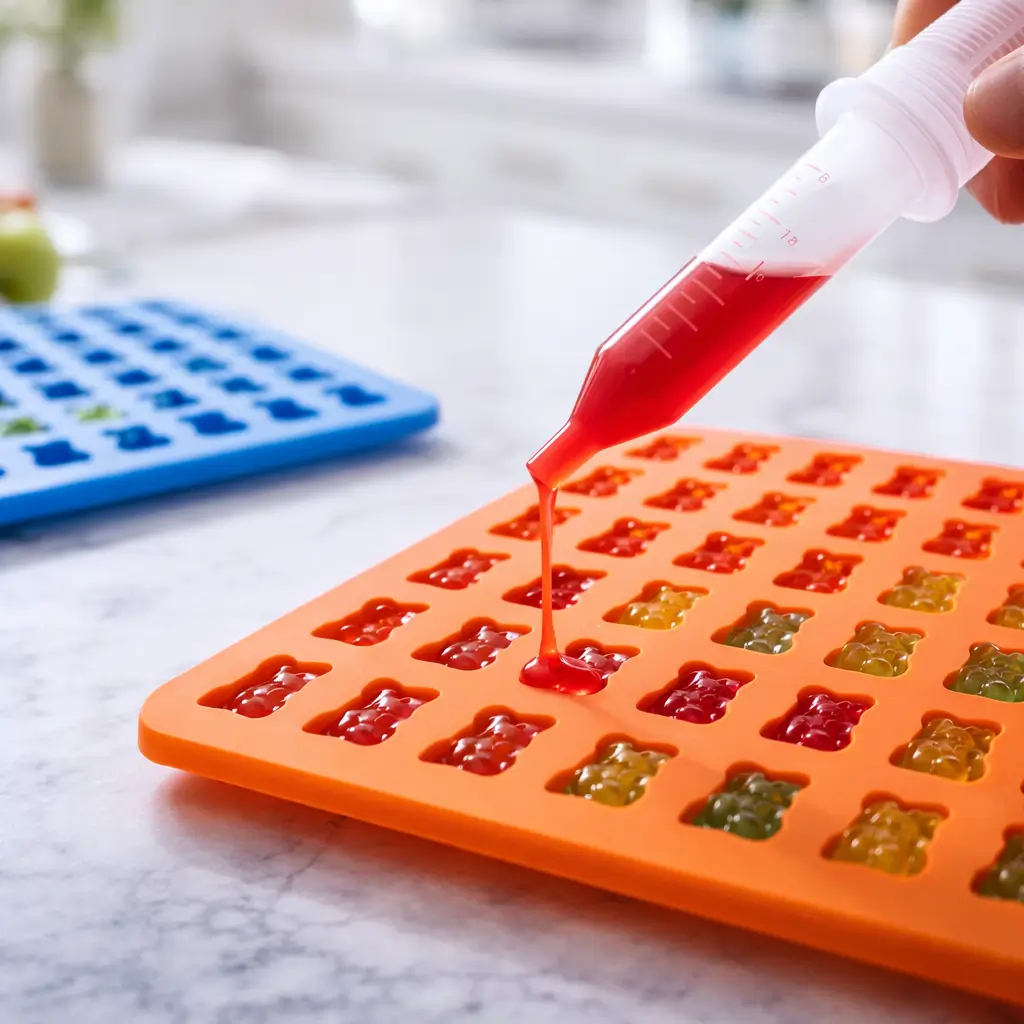
Step 5: Fill the Molds
Place silicone gummy bear molds on a flat baking sheet.
Using:
- A dropper
- A squeeze bottle
- Or a small measuring cup with a spout
Carefully fill each cavity.
Work quickly before the mixture begins to thicken.
Step 6: Chill to Set
Refrigerate for at least 45 to 60 minutes.
Do not rush this step. Proper chilling ensures firm structure a critical part of mastering how to make gummy bears that hold their shape.
Step 7: Remove and Air Dry (Optional but Recommended)
Gently pop gummies out of molds.
For a chewier texture:
Let them air dry at room temperature for 12 to 24 hours on parchment paper.
This slight dehydration improves chewiness and mimics commercial gummy bears.
Common Mistakes When Learning How to Make Gummy Bears
Even though how to make gummy bears seems simple, small errors can completely change the texture, flavor, or consistency. Understanding these common mistakes will help you master how to make gummy bears with reliable, repeatable results every time.
1. Boiling the Mixture
One of the biggest mistakes when learning how to make gummy bears is overheating the gelatin.
Gelatin should never boil. High heat weakens its structure and leads to:
- Sticky gummies
- Weak set
- Grainy texture
Always heat gently and remove from the stove once fully dissolved.
2. Using the Wrong Liquid Ratio
Another issue when figuring out how to make gummy bears is adding too much juice.
Too much liquid = soft, floppy gummies
Too little liquid = overly firm, rubbery texture
Stick to the recommended 1 cup liquid to 3 tablespoons gelatin ratio for balanced chewiness.
3. Not Blooming Gelatin Properly
If you skip blooming, your mixture may develop clumps. Proper blooming is essential when learning how to make gummy bears that turn out smooth and glossy.
Sprinkle gelatin evenly and allow it to absorb liquid for at least 5 minutes before heating.
4. Skipping the Air Dry Step
Many people stop after refrigeration. However, if you truly want to perfect how to make gummy bears with a classic chewy bite, allow them to air dry 12 to 24 hours.
This reduces surface moisture and improves texture.
5. Using Fresh Pineapple or Kiwi Without Heating
Certain fruits contain enzymes that prevent gelatin from setting. If you want to experiment while practicing how to make gummy bears, lightly cook these juices first to deactivate the enzymes.
Quick Troubleshooting Table
| Problem | Cause | Fix |
|---|---|---|
| Gummies too soft | Too much liquid | Increase gelatin slightly |
| Gummies rubbery | Too much gelatin | Reduce by ½ tablespoon |
| Sticky surface | No air dry | Let dry uncovered 12 hours |
| Cloudy appearance | Foam not removed | Skim before molding |
Flavor Variations and Creative Ways to Customize Gummy Bears
Once you understand how to make gummy bears using the basic recipe, customization becomes simple and fun. The base formula stays the same you only adjust flavor sources, sweetness levels, and color. This flexibility is one of the biggest advantages of learning how to make gummy bears at home.
Below are the most popular US friendly variations.
1. Using Different Fruit Juices
You can switch the 1 cup juice base with:
- Apple juice (mild, kid friendly)
- White grape juice (neutral and bright)
- Cherry juice (bold color)
- Cranberry juice (tart profile)
- Pomegranate juice (deep red)
If you’re practicing how to make gummy bears with layered flavors, try mixing two juices (½ cup each) for balance.
2. Natural Coloring Options
Instead of artificial dyes, use:
- Beet juice for red
- Turmeric (very small amount) for yellow
- Blueberry juice for purple
- Spinach juice (strained) for green
Color intensity depends on juice concentration.
3. Sugar Free Version
If you want to modify how to make gummy bears for lower sugar intake:
- Replace sugar with a granulated sugar substitute (erythritol blends work best)
- Skip corn syrup
- Increase gelatin slightly (½ tablespoon more) for firmer texture
Note: Texture may be slightly less elastic than traditional versions.
4. Sour Gummy Bears
To make sour style gummies:
After removing from molds:
- Lightly toss with a mix of 1 tablespoon sugar + ¼ teaspoon citric acid
This gives that classic tangy coating similar to store versions.
5. Layered or Multicolor Gummies
For layered gummies:
- Pour first flavor layer
- Chill 20 to 25 minutes until semi set
- Add second flavor layer
- Chill fully
This method enhances visual appeal and creates flavor contrast.
6. Fun Mold Ideas
Silicone molds come in many shapes:
- Classic bear shapes
- Stars
- Hearts
- Letters
- Mini cubes
Smaller molds set faster and produce firmer texture.
How to Store Homemade Gummy Bears (Shelf Life & Freshness)
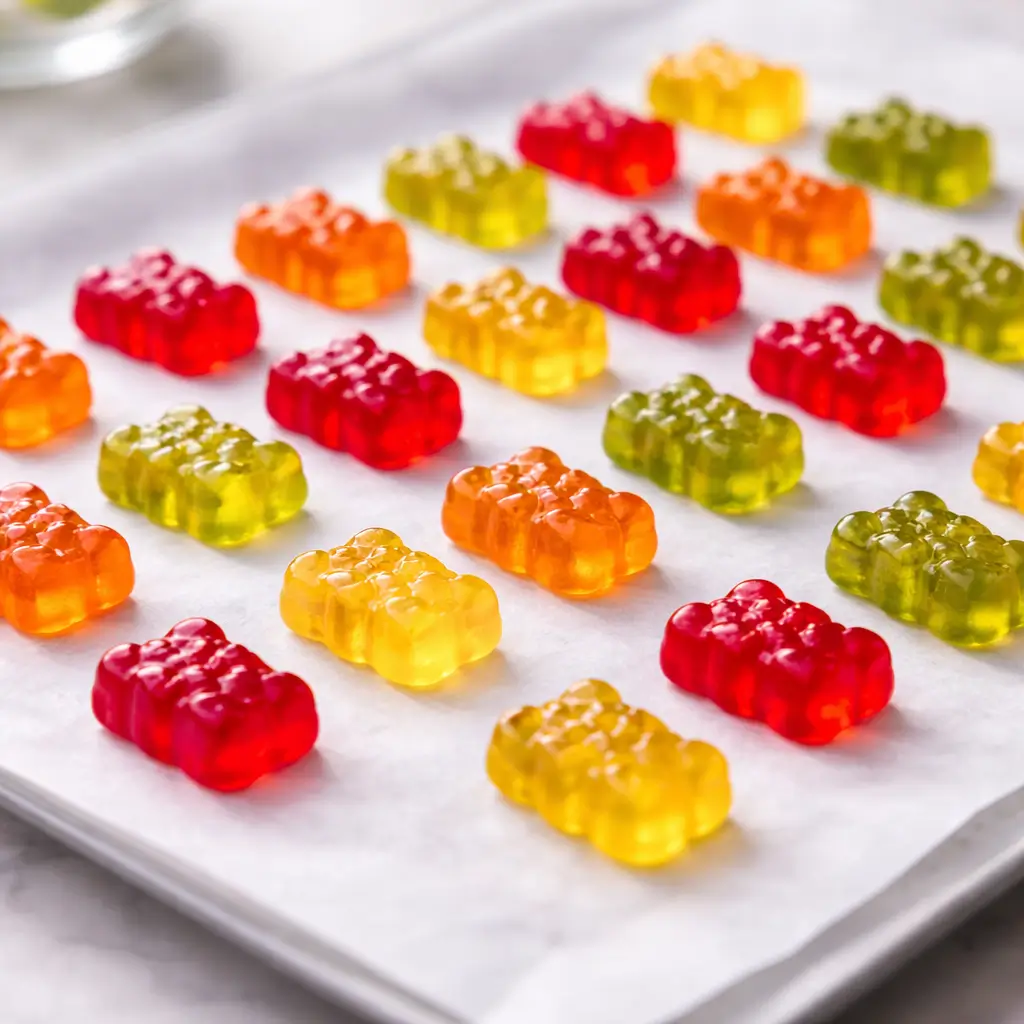
After mastering how to make gummy bears, proper storage becomes just as important as preparation. Homemade gummies do not contain commercial preservatives, so storage conditions directly affect texture, flavor, and safety.
Unlike store bought candy, homemade versions retain more moisture. This makes them softer but also slightly more sensitive to humidity and temperature changes.
Short Term Storage (Best Texture)
Place gummy bears in an airtight container and store them:
- In the refrigerator
- In a single layer if possible
- With parchment paper between layers
They will stay fresh for 7 to 10 days when refrigerated properly.
Refrigeration keeps structure firm and prevents melting, especially in warmer US climates.
Room Temperature Storage
If you prefer a chewier texture:
- Air dry gummies for 24 hours first
- Store in an airtight container
- Keep in a cool, dry place
At room temperature, they typically last 3 to 5 days.
Humidity will shorten shelf life and may cause stickiness.
Can You Freeze Homemade Gummy Bears?
Freezing is not recommended. While learning how to make gummy bears, it’s important to know that freezing changes texture. Once thawed, gummies may become:
- Watery
- Grainy
- Less elastic
Storage Condition Comparison
| Storage Method | Texture | Shelf Life | Best For |
|---|---|---|---|
| Refrigerator | Firm & stable | 7 to 10 days | Warm climates |
| Room Temp (dry) | Chewier | 3 to 5 days | Immediate snacking |
| Freezer | Texture changes | Not ideal | Not recommended |
Proper storage protects the texture you worked hard to achieve while learning how to make gummy bears.
Can You Make Gummy Bears Without Gelatin?
Many people researching how to make gummy bears ask whether gelatin is absolutely necessary. Traditional gummy bears rely on gelatin for their signature chew, but there are alternatives. The texture will change slightly, yet it is possible to create plant based versions.
Understanding these options helps you decide which method fits your dietary needs.
Why Gelatin Works So Well
Gelatin forms a flexible protein network that traps liquid and creates elasticity. That is why classic recipes for how to make gummy bears use unflavored gelatin as the structural base.
Without gelatin, you must rely on plant based gelling agents.
Option 1: Agar Agar (Vegetarian Alternative)
Agar agar is derived from seaweed and works as a strong gelling agent.
How it differs:
- Sets firmer than gelatin
- Less elastic
- More “jelly like” than chewy
To substitute:
Use about 2 teaspoons powdered agar per 1 cup liquid.
Important: Agar must be boiled briefly to activate, unlike gelatin.
Option 2: Pectin (Fruit Based Gelling Agent)
Pectin creates a softer, jam like texture.
- Works best with higher sugar content
- Produces a tender chew
- Common in fruit snacks rather than classic gummy bears
If your goal is replicating store style texture while learning how to make gummy bears, gelatin remains the best choice.
Texture Comparison Table
| Gelling Agent | Texture | Elasticity | Best For |
|---|---|---|---|
| Gelatin | Classic chewy | High | Traditional gummy bears |
| Agar Agar | Firm, slightly brittle | Medium low | Vegetarian version |
| Pectin | Soft, jam like | Low | Fruit snack style |
If your priority is authentic chew, gelatin is ideal. If dietary restrictions matter more, agar provides the closest alternative.
Professional Techniques to Improve Chewiness and Texture
If you truly want to master how to make gummy bears with a professional quality chew, small technical adjustments make a big difference. Texture is what separates homemade candy from store quality results.
The first technique is controlling moisture. After removing the gummies from molds, let them air dry uncovered at room temperature for 12 to 24 hours. This allows surface moisture to evaporate slightly, improving elasticity and reducing stickiness. When people struggle with how to make gummy bears that feel authentic, skipping this step is usually the reason.
The second technique is adjusting gelatin strength carefully. If you prefer firmer gummies, increase gelatin by half a tablespoon. If they feel too rubbery, reduce slightly. Small adjustments matter more than large ones.
Third, use corn syrup or honey strategically. These ingredients prevent sugar crystallization and improve flexibility. While optional, they help replicate the smooth chew found in commercial gummy bears.
Fourth, avoid rapid temperature changes. Let the mixture cool slightly before refrigeration. Sudden temperature shock can create condensation, which affects texture consistency.
Finally, consider curing time. Some candy makers let gummies rest for 48 hours before storing. This deepens texture and flavor concentration.
Frequently Asked Questions About How to Make Gummy Bears
When researching how to make gummy bears, most people in the US tend to ask similar practical questions. Below are clear, experience based answers that help avoid confusion and improve results.
How long do homemade gummy bears last?
Homemade gummy bears typically last 7 to 10 days when stored in an airtight container in the refrigerator. If kept at room temperature in a cool, dry environment, they last about 3 to 5 days. Because homemade versions lack preservatives, humidity and heat reduce shelf life. Allowing them to air dry before storage slightly extends freshness and improves texture stability.
How should homemade gummy bears be stored?
Store them in an airtight container to prevent moisture exposure. If stacking, place parchment paper between layers. Refrigeration keeps them firm and stable, especially in warmer climates. Avoid leaving them uncovered, as this causes surface drying that can harden texture unevenly. Freezing is not recommended because it alters structure and makes them watery once thawed.
Can you make gummy bears without gelatin?
Yes, but texture changes. Agar agar is the closest vegetarian substitute and creates a firmer, less elastic candy. Pectin can also be used but produces a softer, fruit snack consistency. If your goal is to replicate classic chewy gummy bears, gelatin remains the most reliable option when learning how to make gummy bears.
Why are my gummy bears sticky?
Stickiness usually comes from excess moisture. This may happen if the liquid ratio was too high or if gummies were not air dried after setting. Allowing them to rest uncovered for 12 to 24 hours helps reduce surface moisture. Humid environments also increase stickiness, so proper storage is essential.
Can I use fresh fruit puree instead of juice?
Yes, but strain it thoroughly to remove pulp. Excess fiber affects texture and may prevent smooth setting. Also avoid raw pineapple, kiwi, papaya, or mango unless heated first, as natural enzymes in these fruits break down gelatin and prevent proper firming.
Final Summary Before You Start Making Gummy Bears
By now, you understand exactly how to make gummy bears from scratch with confidence. The process is simple, but precision makes the difference between average results and perfectly chewy candy.
To recap clearly:
First, measure your ingredients accurately. The balance between liquid and gelatin determines structure. Too much liquid leads to soft gummies, while too much gelatin creates a rubbery texture.
Second, always bloom gelatin before heating. This step ensures smooth dissolution and prevents clumping.
Third, heat gently and never boil. Overheating weakens the gel structure and affects chewiness.
Fourth, fill molds carefully and refrigerate long enough for proper setting. Rushing this step reduces firmness.
Fifth, air dry for 12 to 24 hours if you want a chewier, store style texture.
Once you understand these principles, how to make gummy bears becomes repeatable and customizable. You can experiment with flavors, sweetness levels, colors, and even plant based alternatives.
Complete Easy Recipe How to Make Gummy Bears at Home
Below is the full, clear recipe version you can follow immediately. This brings everything together in one streamlined format so you can confidently practice how to make gummy bears without confusion.
Ingredients
1 cup (240 ml) 100% fruit juice (no pulp)
3 tablespoons unflavored gelatin (about 3 packets)
2 to 3 tablespoons granulated sugar
1 tablespoon honey or light corn syrup (optional)
¼ teaspoon citric acid (optional, for tart flavor)
Food coloring (optional)
Instructions
Step 1: Bloom the Gelatin
Pour the juice into a small saucepan while the heat is off. Evenly sprinkle the gelatin over the surface. Let it sit for 5 to10 minutes until fully absorbed.
Step 2: Add Sweeteners
Stir in sugar and honey or corn syrup if using. Mix gently before heating.
Step 3: Heat Slowly
Place the saucepan over low heat. Stir continuously until gelatin and sugar fully dissolve. Do not boil. Remove from heat once smooth.
Step 4: Skim Foam
Remove any foam from the surface for clearer gummy bears.
Step 5: Fill Molds
Carefully pour mixture into silicone molds using a dropper or spouted cup.
Step 6: Chill
Refrigerate for 45 to 60 minutes until firm.
Step 7: Air Dry (Optional)
For a chewier texture, remove from molds and let sit at room temperature 12 to 24 hours.
Now you have a complete, reliable process for how to make gummy bears at home.
Advanced Tips to Make Your Gummy Bears Even Better
If you want to refine how to make gummy bears beyond the basic recipe, a few professional level adjustments can significantly improve consistency, flavor depth, and overall texture.
One advanced technique is concentrating your juice before using it. Simmer the juice gently for 5 to 10 minutes to reduce it slightly, then measure again to maintain exactly 1 cup. This intensifies flavor without adding extra sugar and enhances the final taste profile.
Another improvement is balancing sweetness and acidity. A small pinch of salt (literally a pinch) enhances fruit flavor and prevents the candy from tasting flat. When learning how to make gummy bears, subtle flavor balance often makes a bigger impact than increasing sugar.
For smoother results, strain the mixture through a fine mesh sieve before pouring into molds. This removes undissolved particles and improves clarity.
If you want extra chewiness, let gummies cure uncovered for 24 to 48 hours in a cool, dry area. This gradual moisture reduction creates a more commercial style bite.
Finally, always test small batches when experimenting with new flavors or sweeteners. Mastery of how to make gummy bears comes from controlled adjustments, not large changes.
You have now completed all core sections of the article body.
Key Takeaways Mastering How to Make Gummy Bears with Confidence
At this point, you fully understand how to make gummy bears from start to finish using precise measurements and controlled technique. The process of how to make gummy bears is simple, but consistency comes from respecting ratios, temperature, and setting time.
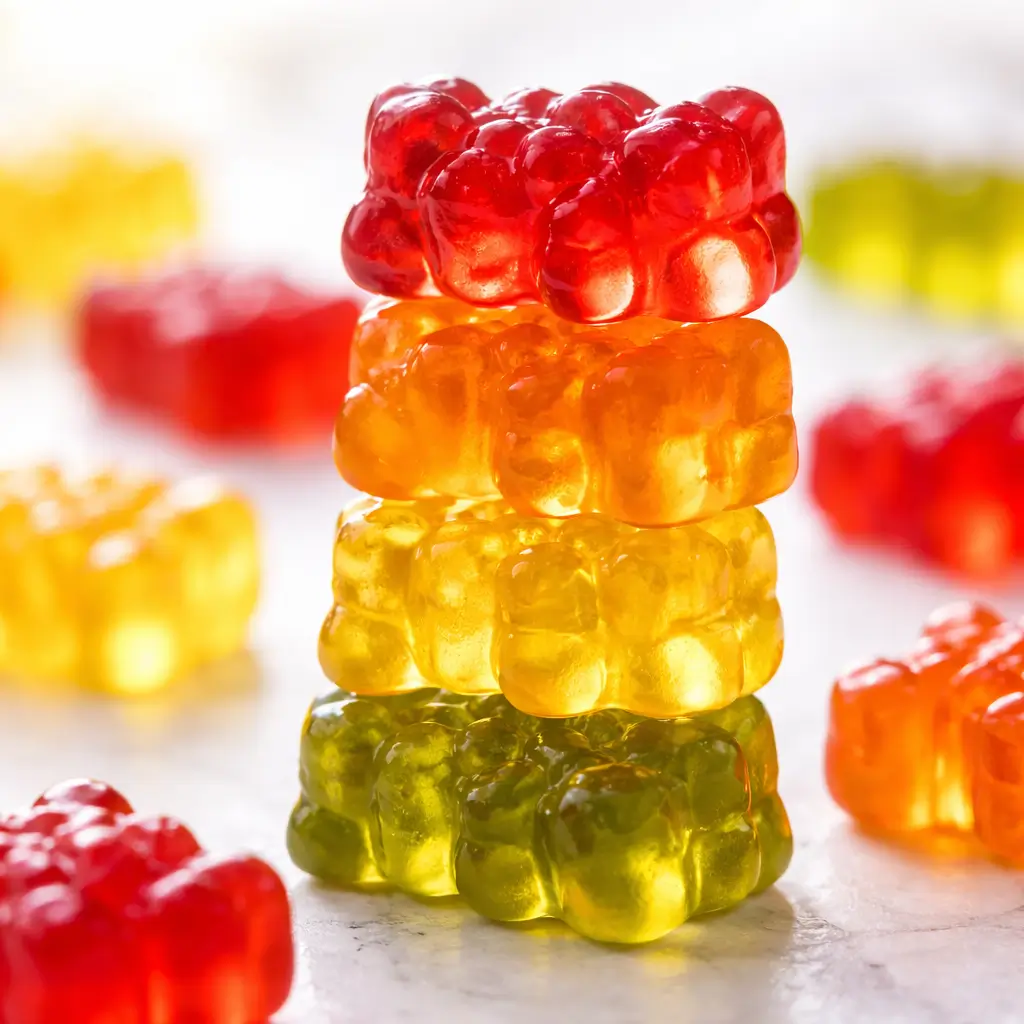
The most important rule when learning how to make gummy bears is maintaining the correct balance between liquid and gelatin. This single factor determines whether your gummy bears turn out soft, rubbery, or perfectly chewy. When practicing how to make gummy bears, always measure carefully and avoid guessing.
Another essential factor in how to make gummy bears successfully is gentle heating. Never boil the mixture. Low heat preserves the gelatin structure and guarantees that your gummy bears set properly. If you want professional results while mastering how to make gummy bears, patience during heating makes a significant difference.
Air drying is optional but highly recommended. Many people exploring how to make gummy bears skip this step, yet it dramatically improves chewiness and reduces surface stickiness.
Finally, remember that how to make gummy bears at home allows full control over flavor, sweetness, and ingredients. Whether you prefer natural juice, sugar free options, or vegetarian substitutes, you now have the knowledge to adjust confidently.
This completes the main body of the article.
Conclusion
Learning how to make gummy bears at home gives you complete control over flavor, texture, and ingredients while keeping the process simple and accessible. By carefully measuring your liquid and gelatin ratio, blooming properly, and heating gently without boiling, you ensure a smooth mixture that sets correctly every time.
Allowing the gummies to chill fully and optionally air dry transforms them from soft gel candies into perfectly chewy treats with a satisfying bite. Homemade versions also let you experiment with natural fruit juices, reduced sugar options, or plant based alternatives depending on your preference.
Proper storage in an airtight container helps maintain freshness and prevents unwanted stickiness. With patience and attention to detail, the steps become second nature. Once mastered, this method makes it easy to customize flavors, colors, and shapes confidently, turning a simple recipe into a repeatable, reliable homemade candy experience.
FAQ
- How long do homemade gummy bears stay fresh?
Homemade gummy bears remain fresh for about 7 to 10 days when stored in an airtight container in the refrigerator. Because they do not contain preservatives, their texture and safety depend heavily on moisture control. If kept at room temperature in a cool, dry place, they typically last 3 to 5 days. Allowing them to air dry before storage improves stability and helps maintain chewiness longer.
- Why didn’t my gummy bears set properly?
Improper setting usually results from incorrect ratios or excessive heat. Using too much liquid or not enough gelatin weakens structure. Boiling the mixture can also damage gelatin’s ability to form a stable gel. Always bloom the gelatin first, heat gently without boiling, and refrigerate for at least 45 60 minutes to ensure proper firmness.
- Can gummy bears be made without gelatin?
Yes, gummy bears can be made without gelatin by using alternatives such as agar agar or pectin. Agar produces a firmer, slightly less elastic texture, while pectin creates a softer, fruit snack style consistency. However, if your goal is the classic chewy bite associated with traditional gummy bears, gelatin remains the most reliable option.
- What type of juice works best for homemade gummy bears?
The best results come from using 100% fruit juice without pulp. Apple, grape, cherry, cranberry, and pomegranate juices offer strong flavor and vibrant color. Avoid raw pineapple or kiwi unless heated first, as natural enzymes in these fruits interfere with gelatin’s ability to set.
- How can I make my gummy bears chewier?
For a firmer, more elastic texture, allow the gummies to air dry at room temperature for 12 to 24 hours after removing them from the molds. This reduces surface moisture and enhances chewiness. Adding a small amount of honey or corn syrup to the mixture also improves elasticity.
6 . Is it possible to make sugar free gummy bears?
Yes, sugar can be replaced with granulated sugar substitutes such as erythritol blends. However, adjustments may be necessary to maintain structure, as alternative sweeteners can slightly alter texture. Increasing gelatin slightly can help maintain firmness in sugar free versions.
- Why are my gummy bears sticky?
Stickiness usually occurs due to excess moisture or humid storage conditions. Proper air drying before storing significantly reduces this issue. Storing the gummies in an airtight container with parchment paper between layers also prevents them from sticking together.
- Can homemade gummy bears be frozen?
Freezing is not recommended because it alters texture. Once thawed, gummy bears may become watery or lose elasticity. Refrigeration provides the best balance between freshness and texture preservation.
- How do I make sour gummy bears?
To create a sour coating, mix granulated sugar with a small amount of citric acid and lightly toss the gummies after they have fully set and air dried. This creates a tangy outer layer similar to commercially produced sour gummies.
- How many gummy bears does one batch produce?
A standard batch made with one cup of juice typically yields between 80 and 120 small gummy bears, depending on mold size. Smaller molds generally produce firmer gummies due to faster and more even setting.
Follow us Youtube
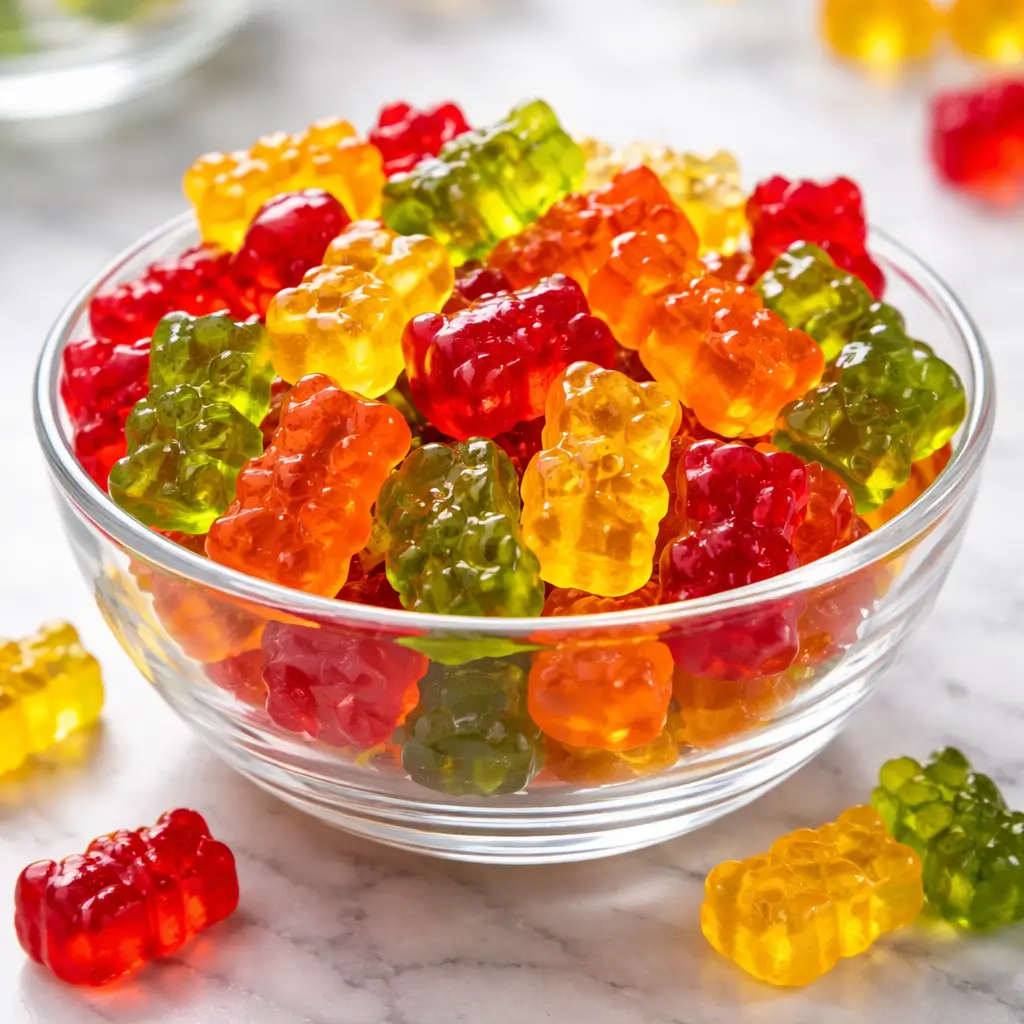
how to make gummy bears
Ingredients
Equipment
Method
- Pour juice into a saucepan with heat off and sprinkle gelatin evenly over surface. Let bloom 5–10 minutes.
- Add sugar and honey or corn syrup if using. Stir gently.
- Heat on low while stirring until fully dissolved. Do not boil.
- Remove from heat and skim any foam.
- Carefully fill silicone molds using a dropper.
- Refrigerate 45–60 minutes until firm.
- Remove from molds and air-dry 12–24 hours for chewier texture (optional).