
For centuries Thomas Jefferson mac and cheese has been linked to one of America’s most unexpected culinary stories. While macaroni and cheese feels like a simple comfort food today, its journey into American kitchens carries international influence, political prestige, and early innovation.
In early American history Thomas Jefferson mac and cheese became more than a meal; it symbolized cultural exchange. During his time in Europe, Jefferson encountered refined pasta dishes that were far more sophisticated than anything commonly eaten in the United States. Fascinated by both the machinery used to make pasta and the flavors of baked macaroni with cheese, he documented recipes, purchased equipment, and later introduced the dish to guests at presidential dinners.
At a time when American cuisine was still forming its identity, this baked pasta stood out. It was rich, structured, and European in character. When served at official gatherings in Washington, it quietly reshaped elite dining trends. Over time, what began as a diplomatic table centerpiece evolved into one of the country’s most enduring comfort foods.How to Make Gummy Bears at Home (Easy Guide)
Thomas Jefferson’s European Culinary Influence
To understand the story fully, we need to look at Jefferson’s time abroad. From 1784 to 1789, Thomas Jefferson served as the American minister to France, living primarily in Paris. During these years, he developed a deep appreciation for European cuisine, architecture, wine, and agricultural techniques.
France exposed him to refined cooking methods, but it was likely northern Italy that introduced him to baked pasta dishes combining macaroni and cheese. Pasta was already centuries old in Europe, yet it remained relatively uncommon in early American households. Jefferson was not just a diner he was an observer. He recorded details about pasta shapes and even sketched a pasta making machine in his notes.
When he returned to the United States, he brought more than memories. He imported a pasta press and introduced dried macaroni to American cooks. At the time, this was unusual. Pasta was not a staple grain product in the colonies, and cheese based baked dishes were not widespread.
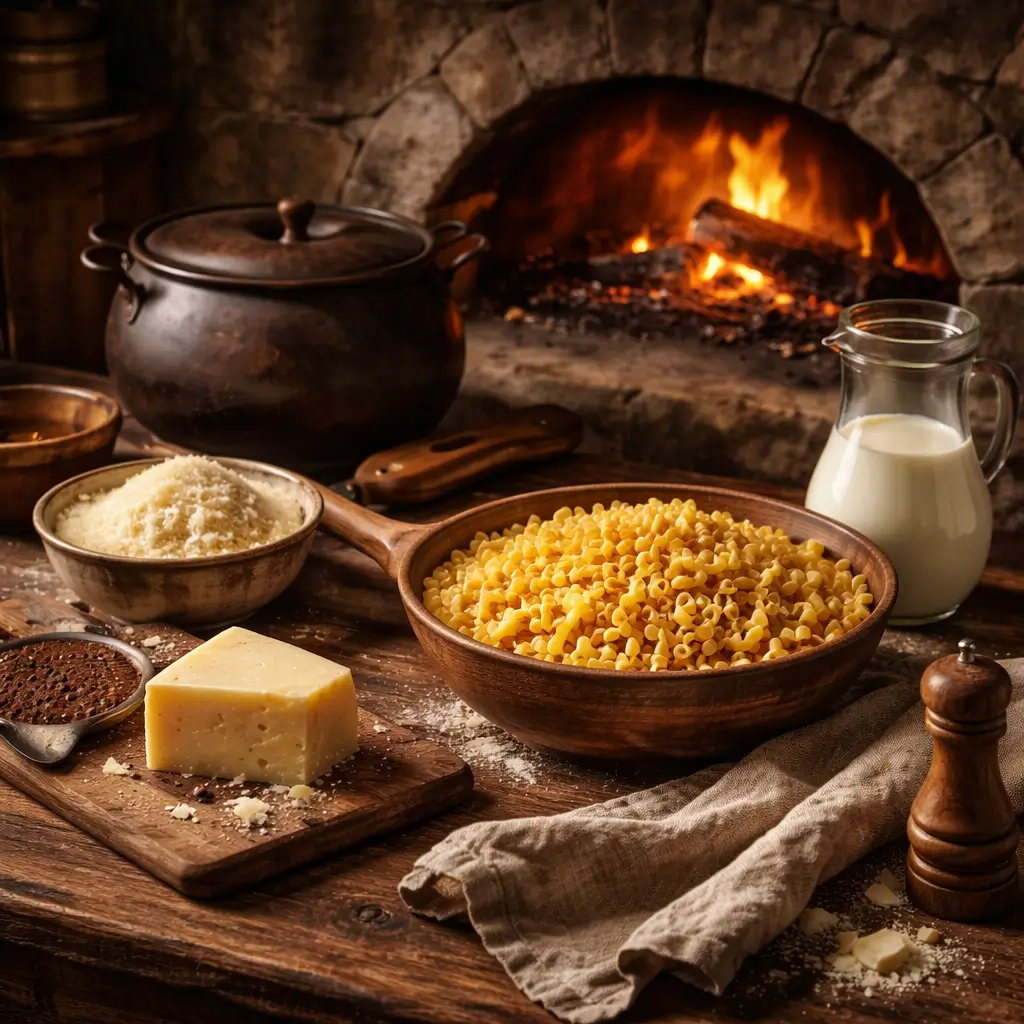
Jefferson’s curiosity turned into action. At presidential dinners in the early 1800s, he served “macaroni pie,” an early form of what we now call mac and cheese. Guests described it as rich, creamy, and distinctly European. Though he did not invent macaroni or cheese sauces, he helped elevate and popularize the dish among influential circles.
This cultural transfer from European table to American presidency is what cements his place in culinary history.
Did Thomas Jefferson Invent Mac and Cheese?
One of the most searched questions about Thomas Jefferson mac and cheese is whether he actually invented it. The short answer is no.
Macaroni and cheese existed in Europe long before Jefferson’s lifetime. Early pasta and cheese combinations can be traced back to medieval Italian and English cookbooks. In fact, a 14th century Italian manuscript contains a recipe for pasta layered with cheese and butter remarkably similar to modern baked versions.
However, what Jefferson did was historically significant.
He helped introduce and popularize macaroni dishes in the United States at a time when pasta was still rare. In the early 1800s, imported macaroni was expensive and unfamiliar to most Americans. By serving it at formal dinners in Washington, Jefferson elevated the dish’s status and exposed influential guests to something new.
It’s also important to note that Jefferson did not personally cook the meals at the White House. His enslaved chef, James Hemings who trained in French culinary techniques played a major role in preparing refined dishes, including macaroni pie. Hemings’ contribution is an essential part of the story.
So while Jefferson was not the inventor, he was undeniably a key figure in bringing macaroni and cheese into early American food culture. His role was that of a culinary ambassador rather than a culinary creator.
What Was the Original Thomas Jefferson Mac and Cheese Recipe?
When people search for Thomas Jefferson mac and cheese, they often want to know what the original version actually looked like. Unlike today’s creamy stovetop style, early 19th century macaroni pie was structured, baked, and relatively simple.
Historical notes show that Jefferson recorded a recipe using just a few core ingredients:
- Macaroni
- Butter
- Cheese
- Milk or cream
The pasta was boiled until tender, layered with grated cheese, enriched with butter, and baked until set. There was no powdered cheese, no roux based sauce, and no breadcrumb topping as commonly seen today.
Jefferson’s handwritten notes described breaking the macaroni into small pieces before cooking it. The dish was assembled in layers pasta, cheese, butter then baked in an oven until lightly browned. The result was firm enough to slice, more like a savory pie than the creamy comfort bowl Americans know today.
Thomas Jefferson mac and cheese at the White House would have been elegant and restrained. The focus was on the quality of the cheese and the novelty of pasta itself. Imported Parmesan was likely used, as it was available in Europe and highly valued.
Compared to modern recipes, the historical version was:
| Feature | 1800s Version | Modern Version |
|---|---|---|
| Sauce | Minimal milk, butter based | Creamy roux or cheese sauce |
| Cheese | Likely Parmesan | Cheddar or cheese blends |
| Texture | Firm, sliceable | Creamy or gooey |
| Add ins | None | Bacon, breadcrumbs, spices |
This early version of Thomas Jefferson mac and cheese reflected European technique more than American comfort food tradition. It was refined, simple, and surprisingly minimalist.
How Thomas Jefferson Mac and Cheese Was Served at the White House
When Thomas Jefferson mac and cheese appeared at presidential dinners, it was not considered casual comfort food. It was a refined imported specialty served among diplomats, politicians, and foreign guests.
At the President’s House in early Washington, meals followed a formal European style service. Multiple dishes were placed on the table at once, allowing guests to serve themselves. Thomas Jefferson mac and cheese would have been presented as a baked “macaroni pie,” likely in a ceramic or metal baking dish.
Unlike modern versions served in bowls, this dish was structured enough to be sliced and plated. Its golden top and layered interior would have stood out visually among roasted meats and vegetables.
White House menus during Jefferson’s presidency often included:
| Course Category | Typical Items Served |
|---|---|
| Roasted Meats | Beef, duck, turkey |
| Vegetables | Peas, beans, cabbage |
| Breads | Fresh loaves, rolls |
| Imported Specialties | Thomas Jefferson mac and cheese, French-style dishes |
| Desserts | Puddings, fruit tarts |
At the time, pasta was rare in America. Serving Thomas Jefferson mac and cheese signaled sophistication and global awareness. Guests reportedly described it as unusual but enjoyable.
It is also important to acknowledge that much of the culinary skill behind these meals came from trained chefs in Jefferson’s household. The dish represented both European influence and the labor of skilled cooks who executed these recipes.
Thomas Jefferson mac and cheese was not just food it was a statement about culture, taste, and the young nation’s connection to Europe.
The Cheese Thomas Jefferson Likely Used
A key detail in the Thomas Jefferson mac and cheese story is the type of cheese used in the early 1800s. Modern recipes typically rely on cheddar, but that was not the most probable choice in Jefferson’s version.
During his years in Europe, Thomas Jefferson developed a strong appreciation for aged European cheeses. Records and import habits suggest he favored Parmesan cheese, known for its firm texture and sharp, nutty flavor.
Parmesan made sense for several reasons:
• It was widely used in Italian baked pasta dishes
• It grated easily into thin layers
• It held structure when baked
• It was shelf stable enough for transport
Unlike today’s creamy cheddar based sauces, Thomas Jefferson mac and cheese would have relied on layered grated cheese rather than a melted cheese sauce. The result was more delicate and structured.
Here’s a comparison of likely cheese differences:
| Cheese Type | Flavor Profile | Melt Quality | Historical Accuracy |
|---|---|---|---|
| Parmesan | Sharp, nutty | Firm, less creamy | High |
| Cheddar (modern) | Mild to sharp | Smooth, creamy | Low |
| Gruyère | Nutty, rich | Smooth melt | Possible but less documented |
Thomas Jefferson mac and cheese likely had a pronounced savory depth from aged cheese rather than the creamy richness Americans expect today. This distinction is crucial when recreating an authentic historical version.
Ingredients and Preparation in Jefferson’s Era
Understanding Thomas Jefferson mac and cheese requires looking at how ingredients were sourced and prepared in the early 1800s. Cooking was labor intensive, and kitchens operated very differently from modern homes.
Macaroni was typically imported from Europe. It was dried, firm, and sometimes broken into shorter pieces before boiling. Fresh pasta was uncommon in American households at the time.
Cheese, especially aged varieties, was either imported or carefully stored in cool cellars. Butter was churned by hand. Milk and cream were fresh, often unpasteurized, and used quickly.
Ovens were wood fired, which meant temperature control was approximate. Bakers relied on experience rather than thermometers.
Here’s a breakdown of how Thomas Jefferson mac and cheese would have been prepared:
| Step | Historical Method | Modern Equivalent |
|---|---|---|
| Boiling pasta | Cooked in large iron pots over open flame | Stainless steel pot on stovetop |
| Grating cheese | Hand grated with simple tools | Box grater or food processor |
| Layering | Pasta, butter, cheese in ceramic dish | Same layering method |
| Baking | Wood fired oven, variable heat | 350 to 375°F conventional oven |
The final dish would have been dense and lightly browned on top. It was not saucy but cohesive, more like a savory casserole.
Thomas Jefferson mac and cheese reflected the resources and techniques of its time simple ingredients, careful layering, and steady baking rather than complex sauces.
A Modern Adaptation of Thomas Jefferson Mac and Cheese
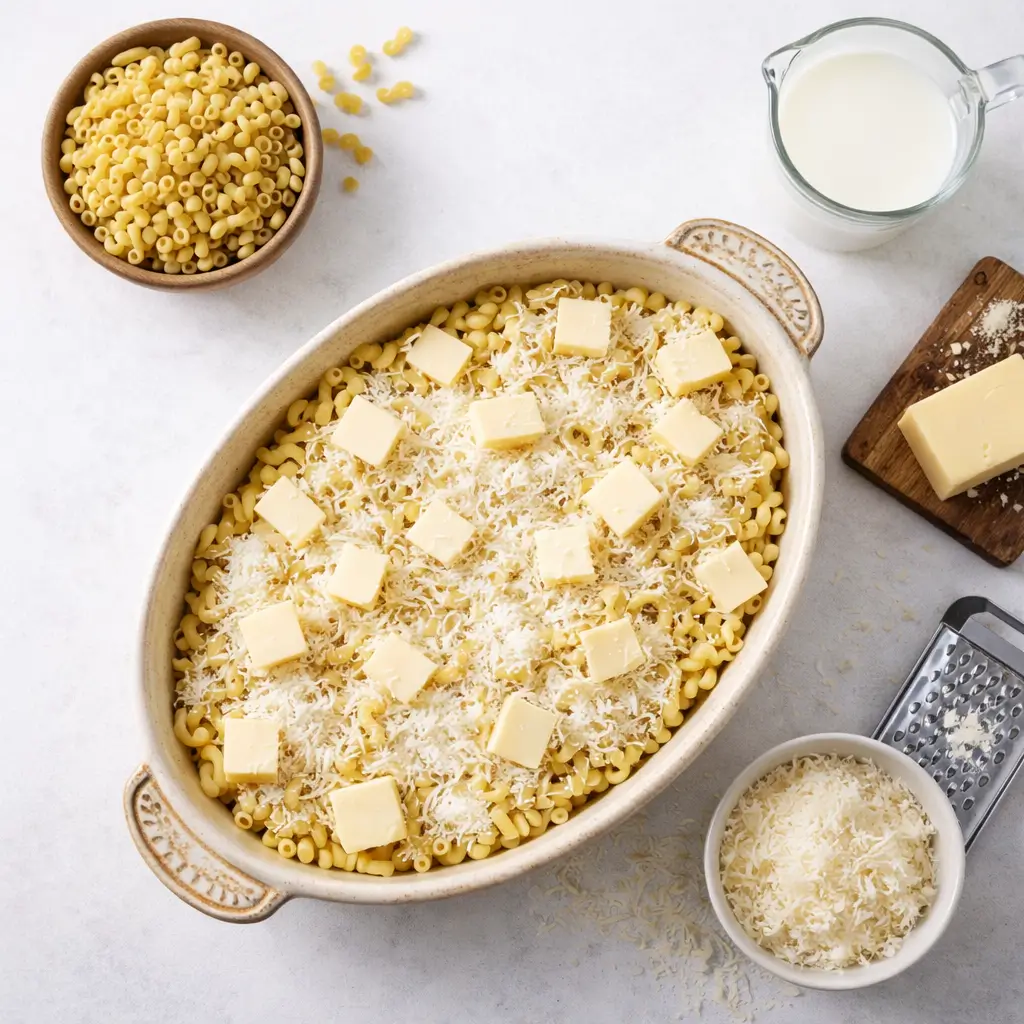
If you want to recreate Thomas Jefferson mac and cheese today, you can stay true to its historical roots while making small adjustments for modern kitchens. The goal is not to create a creamy boxed style version, but a structured baked dish with layered flavor.
Below is a historically inspired adaptation designed for today’s home cook.
Ingredients (Serves 6)
- 1 pound elbow or straight macaroni
- 3 tablespoons unsalted butter
- 2 cups freshly grated Parmesan cheese
- 1 cup whole milk
- ½ teaspoon salt
- ¼ teaspoon black pepper (optional, modern addition)
Step by Step Instructions
- Preheat oven to 375°F.
- Bring a large pot of salted water to a boil. Cook macaroni until just tender, not overly soft. Drain well.
- Lightly butter a baking dish.
- Layer one third of the macaroni in the dish.
- Sprinkle a generous layer of grated Parmesan over the pasta.
- Dot lightly with butter.
- Repeat layers two more times.
- Pour milk evenly over the top to moisten the layers.
- Bake uncovered for 25 to 30 minutes until golden and set.
- Allow to rest 10 minutes before slicing and serving.
This version of Thomas Jefferson mac and cheese stays faithful to the historical method: no roux, no heavy cream sauce, and no breadcrumb topping. The texture should be firm yet tender, with a savory depth from aged cheese.
Unlike modern stovetop versions, this recipe is meant to be cut into portions rather than scooped.
How Thomas Jefferson Mac and Cheese Differs From Today’s Version
Thomas Jefferson mac and cheese is often imagined as identical to the creamy comfort dish served across America today. In reality, the differences are significant in texture, flavor, preparation, and cultural meaning.
Modern mac and cheese evolved through industrialization, processed cheese production, and convenience cooking in the 20th century. The historical version was far simpler and more structured.
Here is a clear side by side comparison:
| Element | Thomas Jefferson Mac and Cheese | Modern American Mac and Cheese |
|---|---|---|
| Texture | Firm, sliceable | Creamy, spoonable |
| Cheese | Aged Parmesan | Cheddar blends, processed cheese |
| Sauce | Minimal milk, no roux | Thick béchamel or cheese sauce |
| Add ins | None | Bacon, breadcrumbs, spices |
| Cooking Method | Baked only | Stovetop or baked |
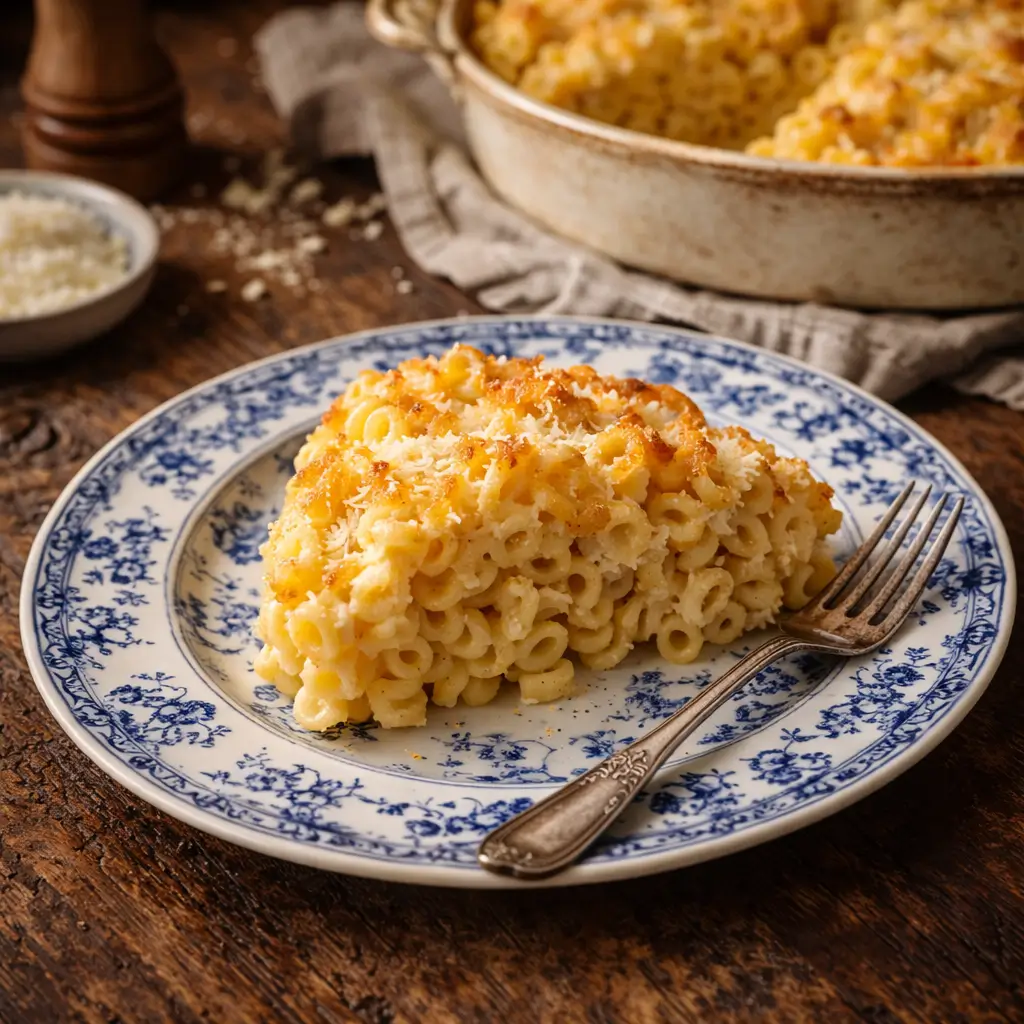
Another important difference is purpose. Thomas Jefferson mac and cheese was served at formal dinners as a sophisticated European inspired dish. Today, mac and cheese is associated with family meals, holidays, and casual dining.
Over time, American cooks adapted the recipe to suit local ingredients and tastes. Cheddar became widely available, milk based sauces became more common, and creaminess became the standard expectation.
Understanding these distinctions helps clarify that Thomas Jefferson mac and cheese represents an early chapter in American culinary history not the final version we know today.
Cooking Tips for an Authentic Historical Flavor
If you want your Thomas Jefferson mac and cheese to taste closer to the early 1800s version, technique matters more than adding extra ingredients. The original dish relied on balance, restraint, and proper baking rather than richness.
Here are practical tips to keep the flavor historically grounded:
- Use high quality aged Parmesan
Freshly grate it yourself. Pre shredded cheese often contains anti caking agents that affect texture. - Avoid heavy cream sauces
Thomas Jefferson mac and cheese was not built on a thick roux. A light addition of milk is enough to moisten the layers. - Do not overcook the pasta
Slightly firm macaroni holds its structure during baking and prevents mushiness. - Layer evenly
Each layer should have pasta, cheese, and small dots of butter. Even layering ensures consistent flavor. - Bake uncovered
This allows the top to lightly brown and form a subtle crust without breadcrumbs. - Let it rest before slicing
Resting for 10 minutes helps the layers set, making it easier to cut clean portions.
By keeping the preparation simple and disciplined, you preserve the character of Thomas Jefferson mac and cheese as it would have appeared in early American dining rooms elegant, structured, and understated.
The Cultural Legacy of Thomas Jefferson Mac and Cheese
Thomas Jefferson mac and cheese represents more than a historical recipe. It reflects how food travels, adapts, and becomes part of national identity.
When Thomas Jefferson served macaroni pie at presidential dinners in the early 1800s, the United States was still defining its cultural character. European cuisine, particularly French and Italian influences, shaped elite dining. Introducing pasta to influential guests helped normalize ingredients that were once considered foreign.
Over time, macaroni and cheese moved beyond political tables and into everyday American kitchens. As domestic dairy production expanded and pasta became more affordable, the dish evolved into a staple comfort food.
It is also important to acknowledge the labor behind these meals. Enslaved chef James Hemings, who trained in French culinary techniques, played a crucial role in preparing refined dishes for Jefferson’s household. His skill contributed directly to the early American exposure to macaroni and cheese.
Today, Thomas Jefferson mac and cheese is frequently referenced in discussions about American food history because it illustrates cultural exchange, adaptation, and transformation.
What began as a European inspired baked pasta eventually became one of the most recognizable comfort dishes in the United States.
Common Misconceptions About Thomas Jefferson Mac and Cheese
Because the story of Thomas Jefferson mac and cheese is widely repeated online, several misconceptions have developed over time. Clarifying these helps separate historical fact from popular myth.
Misconception 1: Thomas Jefferson invented mac and cheese
He did not invent the dish. Pasta and cheese combinations existed in Europe for centuries before his lifetime. His role was in introducing and popularizing it in early America.
Misconception 2: It was exactly like modern boxed mac and cheese
The historical version was baked, layered, and firm. It did not contain powdered cheese or a thick processed sauce.
Misconception 3: Jefferson personally cooked the dish
Presidential meals were prepared by skilled cooks in his household. Thomas Jefferson mac and cheese was likely executed by trained chefs, including James Hemings.
Misconception 4: It was common food at the time
Macaroni was expensive and imported. Serving it signaled sophistication and European influence rather than everyday comfort.
Understanding these distinctions ensures that Thomas Jefferson mac and cheese is viewed accurately as a symbol of early culinary exchange rather than a modern invention.
Why Thomas Jefferson Mac and Cheese Still Matters Today
Thomas Jefferson mac and cheese remains relevant not because it is dramatically different from modern recipes, but because it marks a turning point in American food history. It illustrates how global influences shaped early national identity through cuisine.
In the early republic, the United States was still defining its cultural voice. Introducing European pasta dishes into formal dining settings reflected curiosity, diplomacy, and refinement. Over time, that once rare baked macaroni evolved into one of the most recognizable comfort foods in the country.
The story also highlights how food traditions change. What began as a layered Parmesan based macaroni pie gradually transformed into the creamy cheddar versions popular today. This evolution mirrors broader shifts in agriculture, industry, and home cooking practices.
Thomas Jefferson mac and cheese serves as a reminder that everyday meals often carry deeper historical roots. A simple baked pasta connects European technique, early presidential dining, and modern American kitchens.
Understanding its origins adds context and appreciation to a dish many people now take for granted.
Conclusion
Thomas Jefferson mac and cheese holds a unique place in American culinary history because it represents cultural exchange rather than invention. Although pasta and cheese dishes existed in Europe for centuries, Jefferson’s exposure to them during his diplomatic years abroad helped introduce baked macaroni to influential American tables. When served at presidential dinners, the dish reflected refinement, curiosity, and global awareness in a young nation still shaping its identity.
The original preparation was simple: layered macaroni, aged cheese, butter, and milk baked until firm. It differed greatly from the creamy cheddar based versions that later became household staples. Over time, wider access to pasta and dairy transformed the dish into a symbol of comfort food across the United States.
Understanding Thomas Jefferson mac and cheese allows us to see how food traditions evolve. What began as an imported specialty ultimately became a defining element of American home cooking, linking history, culture, and everyday meals in a meaningful way.
FAQ
- Did Thomas Jefferson invent mac and cheese?
No, Thomas Jefferson did not invent mac and cheese. Pasta with cheese had already existed in Europe for centuries before he encountered it. His contribution was helping popularize the dish in the United States after his time in France. By serving baked macaroni at presidential dinners, he introduced influential Americans to a dish that was still unfamiliar in early 19th century kitchens. - What cheese did Thomas Jefferson use?
Historical evidence suggests that aged Parmesan was likely used in Jefferson’s version. Parmesan was widely available in Europe and suitable for layered baked dishes. It produces a firmer texture rather than the creamy consistency associated with modern cheddar based mac and cheese recipes. - How was Thomas Jefferson mac and cheese served?
It was served as a baked “macaroni pie” at formal dinners. The dish was layered and firm enough to slice, rather than spooned from a pot. It appeared alongside roasted meats and vegetables as part of a larger European style meal presentation. - Was mac and cheese common in America at that time?
No, macaroni was imported and relatively expensive in the early 1800s. It was not a common household ingredient. Serving it signaled sophistication and international influence rather than everyday comfort food. - Is the historical version similar to modern mac and cheese?
Not exactly. The historical version was simpler and more structured, using layered pasta, butter, and grated cheese baked until set. Modern recipes typically include a creamy sauce and often use cheddar or blended cheeses.
Follow Us YOUTUBE
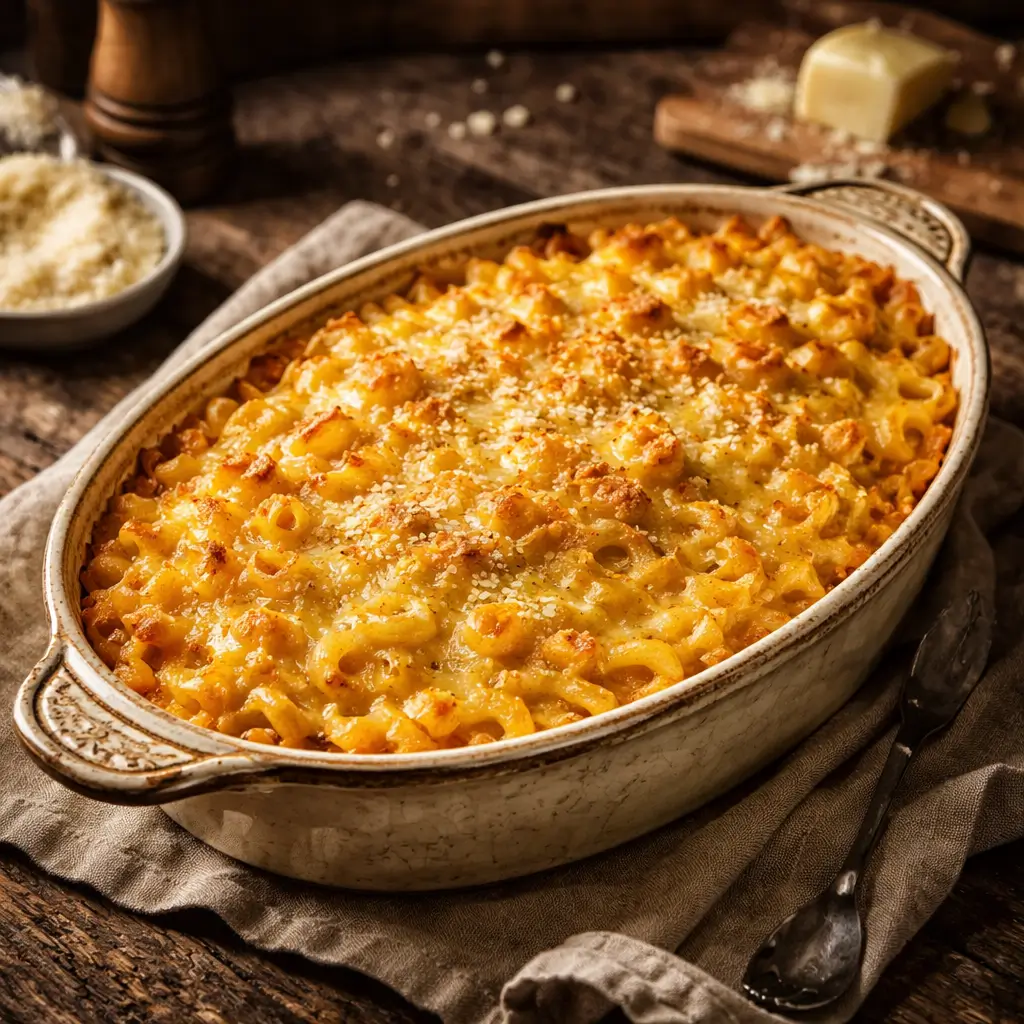
thomas jefferson mac and cheese
Ingredients
Equipment
Method
- Preheat oven to 375°F.
- Boil salted water and cook macaroni until just tender. Drain well.
- Butter a baking dish lightly.
- Add one third of macaroni in an even layer.
- Sprinkle grated Parmesan over pasta.
- Dot with small pieces of butter.
- Repeat layers twice more.
- Pour milk evenly over top.
- Bake uncovered for 25–30 minutes until golden.
- Rest 10 minutes before slicing and serving.
Notes
- Use freshly grated Parmesan for best flavor and texture.
- Do not overcook the pasta; it will continue baking in the oven.
- This dish should be firm and sliceable, not creamy.
- Let rest 10 minutes before serving to help it set properly.
- For a slightly richer flavor, add 1 extra tablespoon of butter between layers.