
Across Puerto, cuajito puertorriqueño is a beloved comfort dish deeply rooted in traditional island cooking. Known for its rich flavor and hearty texture, it showcases the resourcefulness and culinary creativity that define Puerto Rican cuisine. Often served during family gatherings and festive occasions, this slow cooked delicacy transforms humble ingredients into something deeply satisfying.
For many island families, cuajito puertorriqueño remains more than just a meal it represents heritage, celebration, and shared history. Passed down through generations, the recipe reflects Spanish, African, and Taíno influences that shape Puerto Rico’s culinary identity. Its preparation may take time, but the result is a bold, savory dish that rewards patience with unforgettable flavor.
In this guide, you’ll learn exactly what cuajito is, why it matters culturally, how it’s traditionally prepared, and how you can recreate an authentic version at home with confidence.
What Is Cuajito Puertorriqueño Exactly?
Cuajito puertorriqueño is a traditional Puerto Rican stew made primarily from cow’s stomach (tripe), slow cooked until tender and infused with bold seasonings. While tripe based dishes appear in many cultures around the world, Puerto Rico’s version stands out for its vibrant sofrito base, tomato rich broth, and generous use of herbs and spices.
The word cuajito refers specifically to the cow’s stomach lining. In Puerto Rican kitchens, it is carefully cleaned, cut into bite sized pieces, and simmered slowly to achieve a soft yet slightly chewy texture. The long cooking time allows the flavors to fully develop and the meat to become tender.
This dish is typically served hot and enjoyed as a main course. It’s especially popular during holidays, large family gatherings, and weekend meals when there’s time for slow cooking. Though it may not be an everyday meal in every household, it remains a respected and cherished part of Puerto Rican culinary tradition.peruvian pan frances recipe authentic bread made easy
The Cultural Roots of Cuajito in Puerto Rican Cuisine
To understand cuajito puertorriqueño, it helps to look at the broader history of Puerto Rican food. The island’s cuisine is a blend of Spanish colonial influence, West African traditions, and Indigenous Taíno ingredients. This fusion created a style of cooking that values bold seasoning, slow simmering, and full use of available ingredients.
Historically, dishes like cuajito developed from a philosophy of minimizing waste. Using parts of the animal such as tripe was both practical and economical. Over time, what began as necessity evolved into culinary tradition. Families refined seasoning techniques, perfected cooking times, and created flavor profiles that transformed humble cuts into celebrated meals.
Cuajito is often associated with gatherings and celebrations. It may appear during holidays, birthdays, or community events where large pots of food bring people together. The dish symbolizes hospitality and abundance, reflecting the warmth and generosity central to Puerto Rican culture.
Today, while modern kitchens offer many quick meals, cuajito remains a reminder of slower, more intentional cooking. It represents patience, skill, and connection to heritage qualities deeply valued within Puerto Rican families across the United States and the island.
Ingredients That Define Authentic Flavor
The bold taste of cuajito puertorriqueño comes from a layered combination of aromatic vegetables, herbs, and traditional seasonings. While family recipes vary slightly, the core ingredients remain consistent across most authentic preparations.
Here is a breakdown of the essential components:
| Ingredient | Purpose in the Dish | Flavor Contribution |
|---|---|---|
| Cow’s tripe (cuajito) | Main protein | Mild, slightly chewy texture |
| Sofrito | Flavor base | Garlic, peppers, onions, cilantro |
| Tomato sauce | Broth foundation | Rich, slightly sweet acidity |
| Recaito (culantro) | Herbal depth | Earthy, bold green flavor |
| Bay leaves | Aromatic infusion | Subtle bitterness and warmth |
| Oregano | Classic seasoning | Herbal, slightly peppery note |
| Olives & capers | Traditional addition | Salty, briny contrast |
| Potatoes (optional) | Texture balance | Soft, comforting element |
The sofrito is particularly important. It acts as the flavor backbone of the dish, combining blended garlic, onion, green bell pepper, and cilantro into a fragrant base. Many Puerto Rican households prepare sofrito in large batches and freeze it for later use.
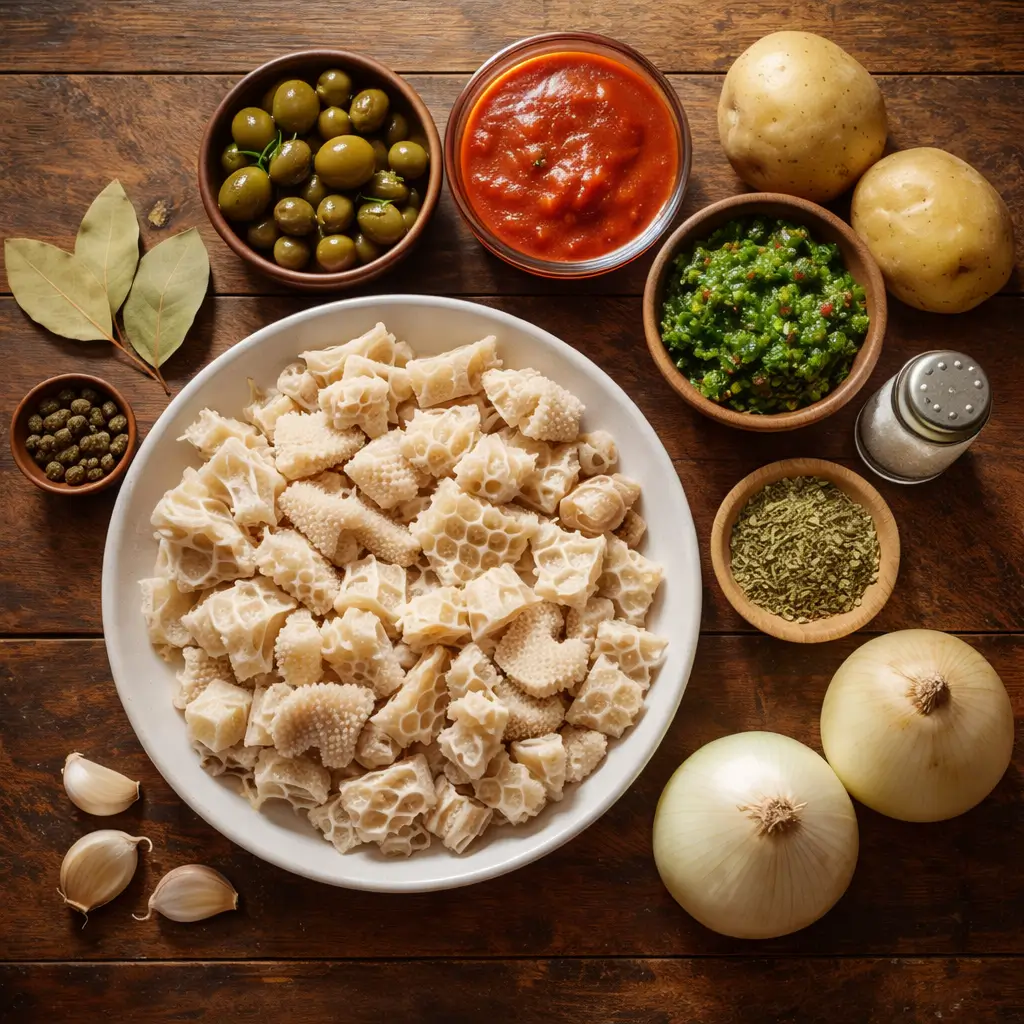
Olives and capers add the signature briny element found in many Puerto Rican stews, giving cuajito its distinctive savory depth. Some families also add small chunks of potato to absorb the rich broth and create a heartier texture.
Using fresh herbs and quality seasonings makes a noticeable difference. While canned ingredients are convenient, traditional cooks often emphasize fresh aromatics for the most authentic taste.
How to Prepare Cuajito Puertorriqueño Step by Step
Preparing cuajito puertorriqueño requires patience, but each step builds the deep, layered flavor that makes cuajito puertorriqueño so memorable. When cooked correctly, cuajito puertorriqueño becomes tender, richly seasoned, and deeply satisfying.
Step 1: Clean the Cuajito Thoroughly
Proper cleaning is essential for authentic cuajito puertorriqueño. Rinse the tripe under cold running water. Many cooks soak it in water with vinegar or lemon juice for 20 or 30 minutes to remove impurities. Rinse again until completely clean. This step ensures cuajito puertorriqueño tastes fresh and pure.
Step 2: Cut and Pre Boil
Cut the cleaned tripe into small bite sized pieces. Place it in a large pot, cover with water, and boil for about 10 or 15 minutes. Drain and rinse again. This pre boiling step helps improve the texture of cuajito puertorriqueño and removes any remaining residue.
Step 3: Build the Flavor Base
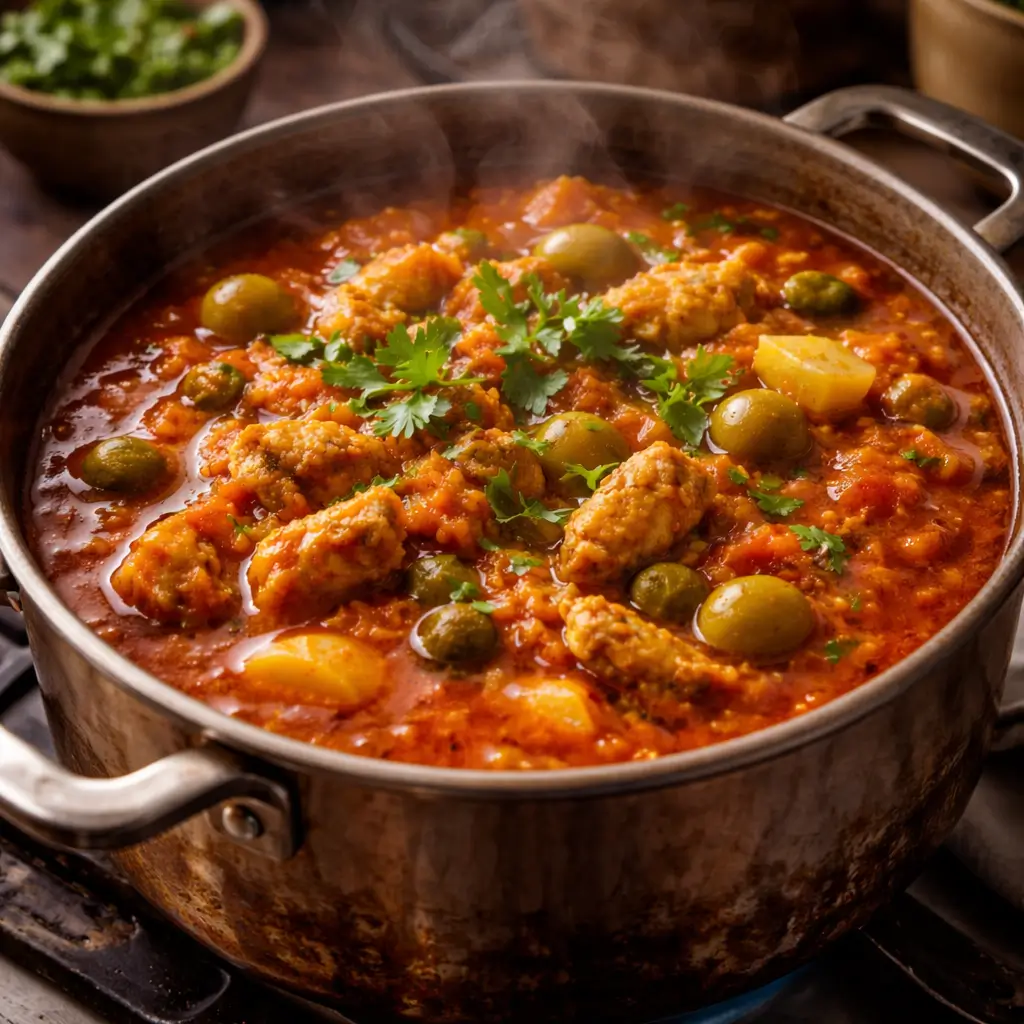
In a heavy pot or Dutch oven, heat oil over medium heat. Add several tablespoons of sofrito and sauté until fragrant. Stir in tomato sauce, oregano, bay leaves, olives, and capers. This aromatic base defines the signature taste of cuajito puertorriqueño.
Step 4: Slow Simmer
Add the tripe back into the pot. Cover with water or broth and bring to a gentle boil. Reduce heat, cover, and simmer for 2 to 3 hours, or until tender. Slow cooking is what transforms cuajito puertorriqueño into a soft, flavorful stew.
Step 5: Final Adjustments
Taste and adjust salt and seasoning. Some cooks add diced potatoes during the last 30 minutes of cooking. Once tender, cuajito puertorriqueño is ready to serve hot with rice or bread.
Taking your time with each stage ensures cuajito puertorriqueño develops its traditional texture and bold Puerto Rican flavor.
Preparation Tips for Perfect Texture and Flavor
Making cuajito puertorriqueño successfully comes down to technique. Because tripe has a unique texture, careful preparation ensures the final dish is tender, flavorful, and enjoyable.
Choose Fresh, Pre Cleaned Tripe When Possible
In the United States, many supermarkets sell pre cleaned tripe. This reduces preparation time and improves consistency. Even so, always rinse it thoroughly before cooking.
Don’t Rush the Simmer
Cuajito needs low, steady heat. Cooking it too quickly can make it tough. A gentle simmer over several hours allows connective tissues to break down naturally, creating that signature tender bite.
Season in Layers
Instead of adding all the salt at once, season gradually. Sofrito, olives, and capers already contain salt, so adjust at the end. This keeps the broth balanced rather than overly salty.
Use a Heavy Bottom Pot
A Dutch oven or thick pot distributes heat evenly and prevents burning. Since the stew cooks for hours, consistent heat is essential.
Make It a Day Ahead
Many home cooks agree that cuajito tastes even better the next day. The flavors deepen overnight, making leftovers especially rich and satisfying.
Taking your time with these small details can make a noticeable difference in both texture and overall flavor.
How Cuajito Puertorriqueño Is Traditionally Served
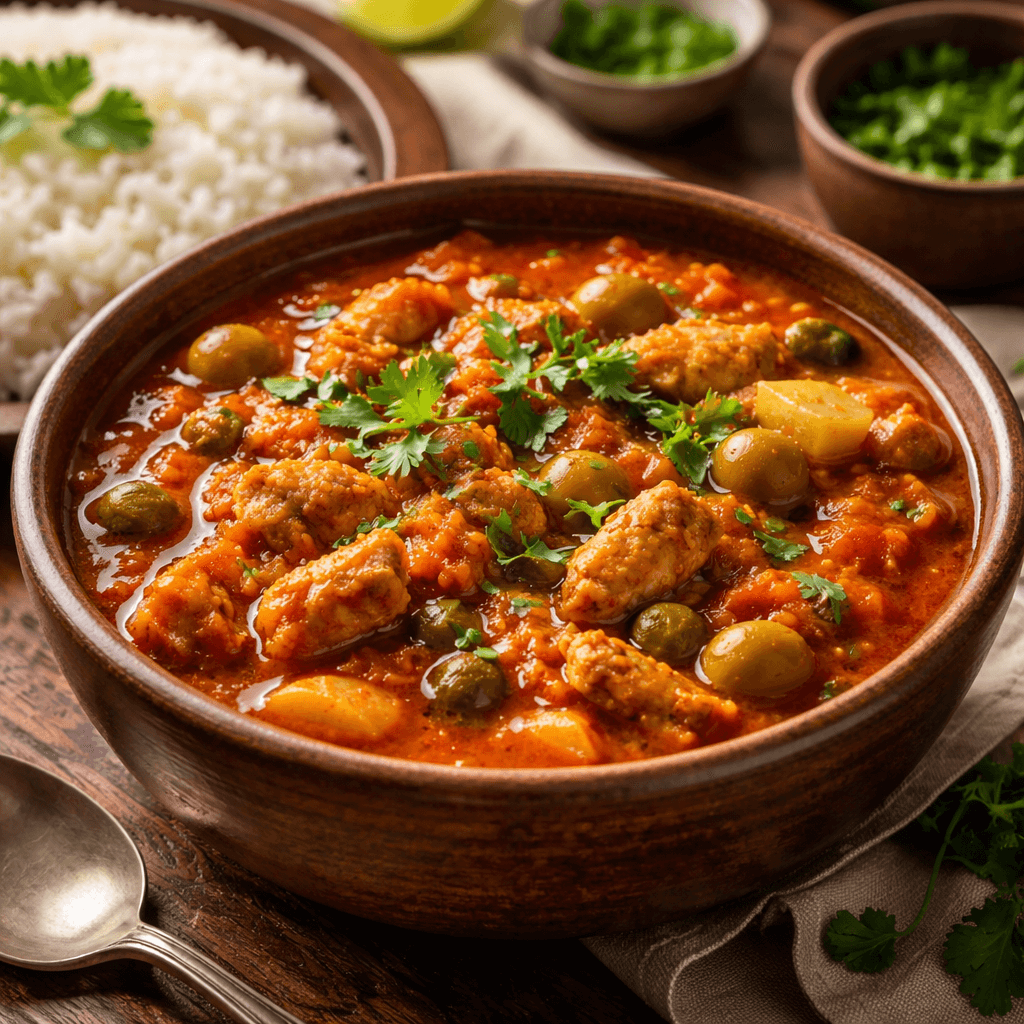
Cuajito puertorriqueño is most commonly served as a hearty main dish, and cuajito puertorriqueño is typically enjoyed hot, straight from the pot. In many Puerto Rican households, cuajito puertorriqueño is placed at the center of the table so everyone can serve themselves generously. Because cuajito puertorriqueño is rich and savory, it pairs best with simple sides that balance its bold flavor.
The most traditional accompaniment to cuajito puertorriqueño is white rice. The rice absorbs the flavorful broth, allowing the full taste of cuajito puertorriqueño to shine. Some families also serve cuajito puertorriqueño with arroz con gandules during holidays for an even more festive presentation.
Crusty bread is another popular option. Dipping bread into the broth of cuajito puertorriqueño enhances the experience and ensures none of the sauce goes to waste. In casual gatherings, cuajito puertorriqueño may even be served in large bowls as a comforting stew.
For special occasions, cuajito puertorriqueño is often part of a larger spread that includes roasted meats, tostones, and fresh salad. No matter the setting, cuajito puertorriqueño is always meant to be shared, reinforcing its role as a communal dish rooted in tradition.
Regional and Family Variations You Should Know
While cuajito puertorriqueño follows a recognizable foundation, recipes can vary from family to family and across different communities. These variations reflect personal taste, ingredient availability, and generational preferences.
Some cooks prefer a thicker, stew like consistency by reducing the broth longer. Others keep it slightly soupier, especially if it will be served over rice. The texture of the broth often depends on how long the dish simmers and whether potatoes are included.
In certain households, diced ham or small pieces of pork are added to deepen the savory flavor. This creates a richer base while still allowing the tripe to remain the star ingredient. A few families add a splash of cooking wine for added complexity.
Spice levels also differ. While traditional cuajito is not extremely spicy, some cooks incorporate hot peppers for a subtle kick. Others keep it mild to highlight the herbs and sofrito.
Below is a comparison of common variations:
| Variation Style | Key Addition | Flavor Impact |
|---|---|---|
| Classic Holiday Style | Olives & capers | Salty, briny depth |
| Hearty Family Version | Potatoes & ham | Richer, more filling |
| Lighter Brothy Style | Extra broth | Soup like texture |
| Mild Traditional | Balanced herbs | Herb forward flavor |
These differences make cuajito adaptable while preserving its authentic Puerto Rican character.
Nutritional Overview and Ingredient Insights
Cuajito puertorriqueño is a protein rich dish built around slow cooked tripe and aromatic vegetables. While it is hearty and satisfying, understanding its nutritional profile helps you enjoy it in a balanced way.
Tripe is naturally high in protein and contains important nutrients such as iron, zinc, and vitamin B12. It is also lower in fat compared to many other beef cuts. However, the final nutritional value of the dish depends on added ingredients like olives, capers, oil, and optional meats.
Here’s a general nutritional overview per moderate serving (approximate values):
| Nutrient | Estimated Amount | Notes |
|---|---|---|
| Calories | 250 to 350 kcal | Depends on added potatoes or meats |
| Protein | 20 to 25g | From tripe |
| Fat | 12 to 18g | Varies by oil and additions |
| Carbohydrates | 10 to 20g | Mostly from potatoes or sauce |
| Sodium | Moderate to High | From olives and capers |
Because cuajito is typically served with rice, portion control matters. Pairing it with vegetables or salad can help balance the meal.
When prepared thoughtfully, cuajito puertorriqueño can fit into a well rounded diet while delivering bold traditional flavor.
Common Mistakes to Avoid When Making Cuajito
Even experienced home cooks can run into challenges when preparing this traditional stew. Avoiding a few common mistakes will help ensure your cuajito puertorriqueño turns out tender, flavorful, and authentic.
1. Skipping the Cleaning Process
Tripe must be cleaned thoroughly. Skipping the vinegar or lemon soak can result in an unpleasant aroma or flavor. Proper preparation is essential for a fresh tasting dish.
2. Cooking at Too High Heat
Boiling aggressively instead of simmering gently can make the tripe tough. Low and slow cooking is the key to achieving that soft, slightly chewy texture.
3. Overseasoning Early
Because olives, capers, and sofrito already contain salt, adding too much salt at the beginning can overpower the dish. Always adjust seasoning near the end of cooking.
4. Not Allowing Enough Time
Cuajito is not a quick recipe. Rushing the process prevents flavors from developing fully and can leave the texture undercooked.
5. Ignoring Rest Time
Like many stews, this dish tastes better after sitting for a few hours or even overnight. Allowing it to rest enhances the overall depth of flavor.
Avoiding these pitfalls ensures your final result is rich, balanced, and true to tradition.
Best Side Dishes to Serve with Cuajito
Pairing the right sides with cuajito puertorriqueño enhances the overall meal and balances its rich, savory profile. Because the stew is deeply seasoned, simple accompaniments often work best.
Classic White Rice
Plain steamed white rice is the most traditional pairing. It absorbs the flavorful broth and allows the bold seasoning of the cuajito to stand out without competition.
Arroz con Gandules
For holidays and celebrations, arroz con gandules (rice with pigeon peas) adds a festive touch. Its seasoned rice complements the stew’s depth while keeping the meal authentically Puerto Rican.
Tostones
Crispy fried green plantains provide a contrasting texture. Their light saltiness and crunch balance the softness of the stew.
Fresh Avocado Slices
Creamy avocado adds freshness and mildness, helping to offset the savory richness of the dish.
Simple Green Salad
A lightly dressed salad with lettuce, tomato, and cucumber introduces brightness and acidity, creating a more balanced plate.
These sides keep the focus on the stew while adding texture, freshness, and variety to the meal.
How to Store, Reheat, and Freeze Cuajito Properly
Proper storage helps preserve the flavor and texture of cuajito puertorriqueño, especially since this dish often tastes even better the next day.
Refrigeration
Allow the stew to cool completely before transferring it to an airtight container. Store it in the refrigerator for up to 3 or 4 days. Keeping it tightly sealed prevents the broth from absorbing other odors.
Reheating
For best results, reheat slowly on the stovetop over medium low heat. Add a small splash of water or broth if the sauce has thickened too much. Stir occasionally to prevent sticking. Microwave reheating works, but stovetop heating maintains texture more effectively.
Freezing
Cuajito freezes well. Place cooled portions in freezer safe containers or heavy duty freezer bags. It can be frozen for up to 2 or 3 months. Thaw overnight in the refrigerator before reheating gently.
Here’s a quick reference guide:
| Storage Method | Duration | Best Practice |
|---|---|---|
| Refrigerator | 3 to 4 days | Airtight container |
| Freezer | 2 to months | Portion before freezing |
| Reheating | Low heat, add liquid if needed |
Following these steps ensures your leftovers remain flavorful and safe to enjoy.
Why Cuajito Puertorriqueño Remains a Timeless Dish
Cuajito puertorriqueño continues to hold a meaningful place in Puerto Rican kitchens because it represents more than nourishment. It reflects tradition, patience, and the ability to transform simple ingredients into something deeply flavorful. In a fast paced world filled with convenience foods, this slow cooked stew stands as a reminder of intentional cooking and shared meals.
For many families living in the United States, preparing cuajito is a way to preserve cultural identity and reconnect with heritage. The aroma of sofrito simmering on the stove can instantly evoke memories of grandparents’ kitchens, holiday gatherings, and Sunday meals surrounded by relatives.
While not everyone grows up eating tripe based dishes, those who do often develop a strong appreciation for its comforting texture and bold seasoning. New generations are also rediscovering traditional recipes, adapting them slightly while honoring the original flavors.
Cuajito puertorriqueño remains timeless because it blends history, flavor, and family connection into one pot. Its continued presence on dinner tables proves that traditional foods still matter and always will.
Conclusion
Cuajito puertorriqueño stands as one of the most traditional and meaningful dishes in Puerto Rican cuisine. Built around slow cooked tripe, aromatic sofrito, tomato sauce, olives, and herbs, it reflects generations of resourceful cooking and bold island flavor. While it requires time and careful preparation, the reward is a tender, deeply seasoned stew that brings comfort and authenticity to the table.
Beyond its ingredients, cuajito represents cultural continuity. Families across Puerto Rico and the United States prepare it for holidays, gatherings, and Sunday meals, preserving culinary heritage through shared recipes and techniques. Its rich broth pairs perfectly with white rice, plantains, or fresh avocado, making it both versatile and satisfying.
For anyone curious about traditional Puerto Rican food, learning to prepare cuajito is more than trying a recipe it is embracing history, patience, and flavor in its purest form.
FAQ
1. What is cuajito puertorriqueño made of?
Cuajito puertorriqueño is primarily made from cow’s stomach, also known as tripe. The tripe is thoroughly cleaned, cut into pieces, and slow cooked in a seasoned tomato based broth. Key ingredients typically include sofrito (a blend of garlic, onions, peppers, and cilantro), tomato sauce, oregano, bay leaves, olives, and capers. Some variations add potatoes or small pieces of ham for extra richness. The long simmering process allows the tripe to become tender while absorbing the bold Puerto Rican seasonings that define the dish.
2. How does cuajito puertorriqueño taste?
The flavor of cuajito puertorriqueño is savory, aromatic, and slightly briny due to olives and capers. The tripe itself has a mild taste, which allows it to absorb the seasonings of the broth. When cooked properly, the texture is tender with a slight chew. The combination of sofrito, herbs, and tomato sauce creates a rich, comforting stew that feels hearty but not overwhelmingly heavy. The overall taste is balanced, deeply seasoned, and satisfying.
3. How is cuajito traditionally served?
Cuajito is traditionally served hot as a main dish. The most common accompaniment is white rice, which helps absorb the flavorful broth. During holidays or special occasions, it may also be served with arroz con gandules, tostones, or fresh avocado slices. It is typically presented in a large pot or serving bowl, allowing guests to help themselves. Because it is a communal dish, it often appears at gatherings and celebrations.
4. Is cuajito puertorriqueño healthy?
Cuajito can be part of a balanced diet when eaten in moderation. Tripe is relatively high in protein and contains important nutrients such as iron and vitamin B12. However, sodium levels can be moderate to high due to olives and capers. Portion size and side dishes also influence overall nutritional balance. Pairing it with vegetables or salad can help create a more well rounded meal.
5. Can cuajito puertorriqueño be made ahead of time?
Yes, cuajito is actually ideal for preparing ahead. Many cooks believe it tastes even better the next day because the flavors continue to develop as it rests. It can be stored in the refrigerator for several days and reheated gently on the stovetop. It also freezes well for longer storage, making it convenient for meal planning or special occasions.
Follow us Facebook
cuajito puertorriqueño
Ingredients
Equipment
Method
- Rinse tripe thoroughly and soak in water with vinegar for 20 minutes. Rinse again.
- Place tripe in a pot, cover with water, and boil for 15 minutes. Drain and rinse.
- Heat olive oil in a large pot over medium heat. Add sofrito and sauté until fragrant.
- Stir in tomato sauce, oregano, bay leaves, olives, and capers.
- Add tripe and pour in water or broth. Bring to a boil
- Reduce heat, cover, and simmer for 2 to 3 hours until tender.
- Add diced potatoes during the last 30 minutes if using.
- Season with salt and pepper to taste. Serve hot with white rice.
Notes
• Pre-boil the tripe until tender before adding to the stew.
• Use authentic Puerto Rican sofrito for best flavor.
• Simmer on low heat to keep the tripe soft, not rubbery.
• Add potatoes halfway through cooking to prevent overcooking.
• Cuajito tastes even better the next day.
• Store in refrigerator up to 3 days in airtight container.