
In Peru, peruvian pan frances recipe traditions are part of daily life, not just special occasions. Pan francés is the most common bread you’ll find in Peruvian bakeries, corner stores, and breakfast tables. Despite the name, it is not the same as French baguette. Peruvian pan francés is smaller, lighter, and softer inside, with a thin, lightly crisp crust that is never too hard.
For home bakers everywhere, peruvian pan frances recipe searches usually come from one question: what makes this bread different? The secret lies in its delicate balance. It uses simple ingredients, but the dough is mixed and baked to create a cottony crumb with mild flavor. This makes it perfect for sandwiches, morning coffee, or classic Peruvian pairings like butter, jam, or avocado.
Pan francés is also known for its versatility. It can be shaped into short rolls or slightly longer loaves, baked fresh daily, and eaten within hours. Understanding what pan francés is and what it is not is the first step to recreating its authentic texture and taste at home.
Why Pan Francés Is So Popular in Peru
Across Peru, pan francés is more than just bread it’s a daily habit. Bakeries bake it early each morning, and families buy it fresh, often still warm, to eat the same day. Its popularity comes from how well it fits into everyday meals without overpowering other flavors.
Unlike dense or highly seasoned breads, pan francés has a neutral taste and airy structure. This makes it ideal for both sweet and savory uses. It’s commonly eaten at breakfast with butter or jam, served alongside soups at lunch, or filled with ham, cheese, or eggs for quick sandwiches. Because it’s light, people often eat several pieces without feeling heavy.
Another reason for its popularity is accessibility. The ingredients are inexpensive, and the bread is affordable for all households. Freshness is key pan francés is meant to be enjoyed within hours of baking. This culture of daily bread is deeply rooted in Peruvian food traditions and explains why pan francés remains a staple rather than a specialty item.IHOP Sirloin Tips Recipe Made Easy at Home
Ingredients Used in a Peruvian Pan Francés Recipe
A traditional peruvian pan frances recipe relies on very simple ingredients, but the quality and balance of each one matters. This bread is not enriched with eggs or sugar, which is why its flavor stays mild and its texture remains light.
The core ingredients include all purpose flour, warm water, yeast, salt, and a small amount of fat. Many Peruvian bakeries use vegetable shortening or oil instead of butter. This choice helps create the soft interior that defines an authentic peruvian pan frances recipe while keeping the crust thin rather than crunchy.
Flour selection is especially important. Standard all purpose flour works well for home bakers because it provides enough gluten for structure without making the bread chewy. Water should be warm, not hot, to properly activate the yeast. Salt enhances flavor and controls fermentation, while yeast gives the bread its airy rise.
Some variations of the peruvian pan frances recipe include a small amount of sugar to boost yeast activity, but this is optional. The simplicity of these ingredients is exactly what allows the bread’s texture to shine.
Step, by ,Step Peruvian Pan Francés Recipe
Making an authentic peruvian pan frances recipe at home is easier than it looks when you follow the correct steps. Precision and timing matter more than complexity.
Start by activating the yeast. Mix warm water with yeast and let it rest until foamy. This ensures your peruvian pan frances recipe rises properly. In a large bowl, combine flour and salt, then add the yeast mixture and oil. Mix until a soft dough forms.
Knead the dough for about 8,10 minutes until smooth and elastic. Proper kneading is essential for the airy crumb expected in a peruvian pan frances recipe. Place the dough in a lightly oiled bowl, cover, and let it rise until doubled in size.
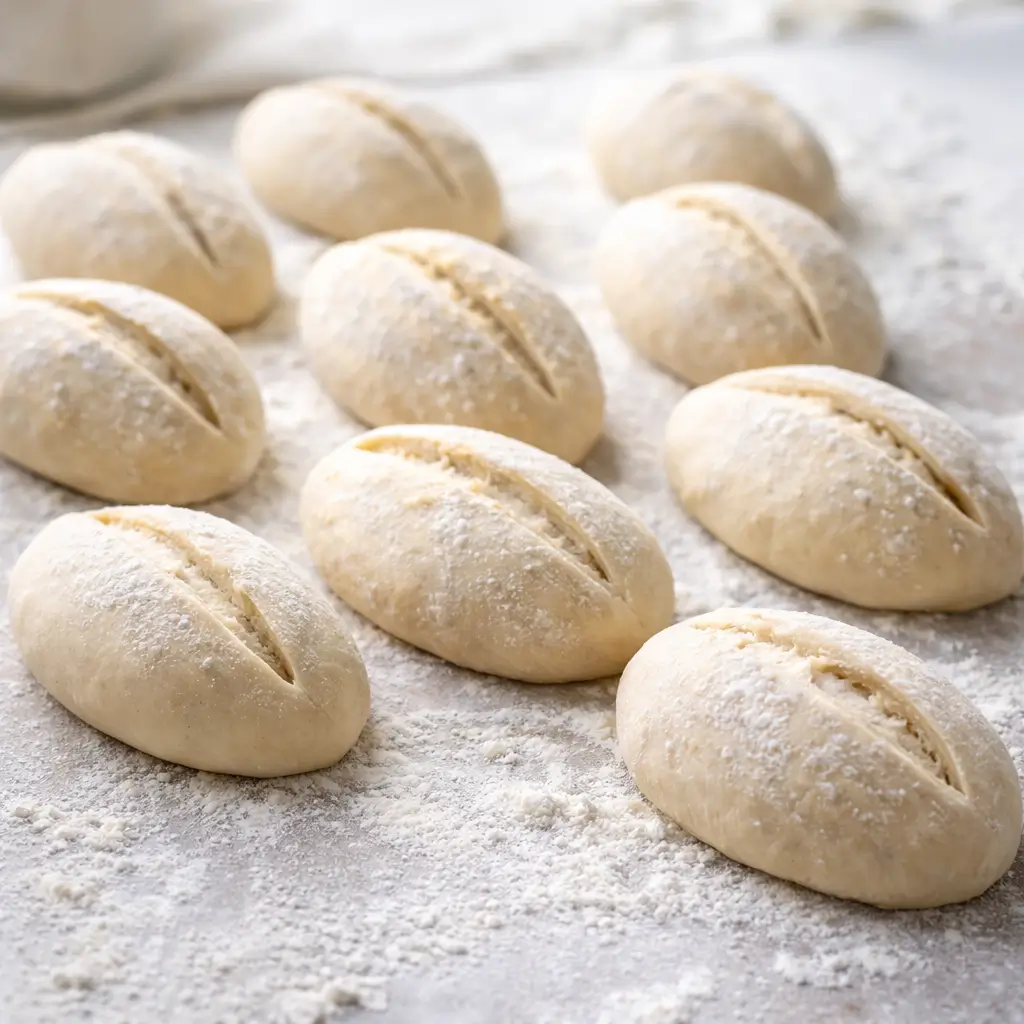
Once risen, divide the dough into small portions. Shape each piece into short rolls or mini baguette style loaves. Let them rest again briefly to relax the gluten. Bake in a preheated oven until lightly golden. The final result should be soft inside with a thin, pale crust true to a traditional peruvian pan frances recipe.
Baking Tips for Authentic Texture and Flavor
To perfect a peruvian pan frances recipe, baking technique is just as important as the ingredients. One key detail is oven temperature. Pan francés bakes best in a hot oven, usually around 425°F, which helps the bread rise quickly without forming a thick crust.
Steam is another essential element. Many Peruvian bakeries use steam injected ovens. At home, you can mimic this by placing a small oven safe pan of hot water on the lower rack. This moisture keeps the crust thin and allows the peruvian pan frances recipe to expand fully during the first minutes of baking.
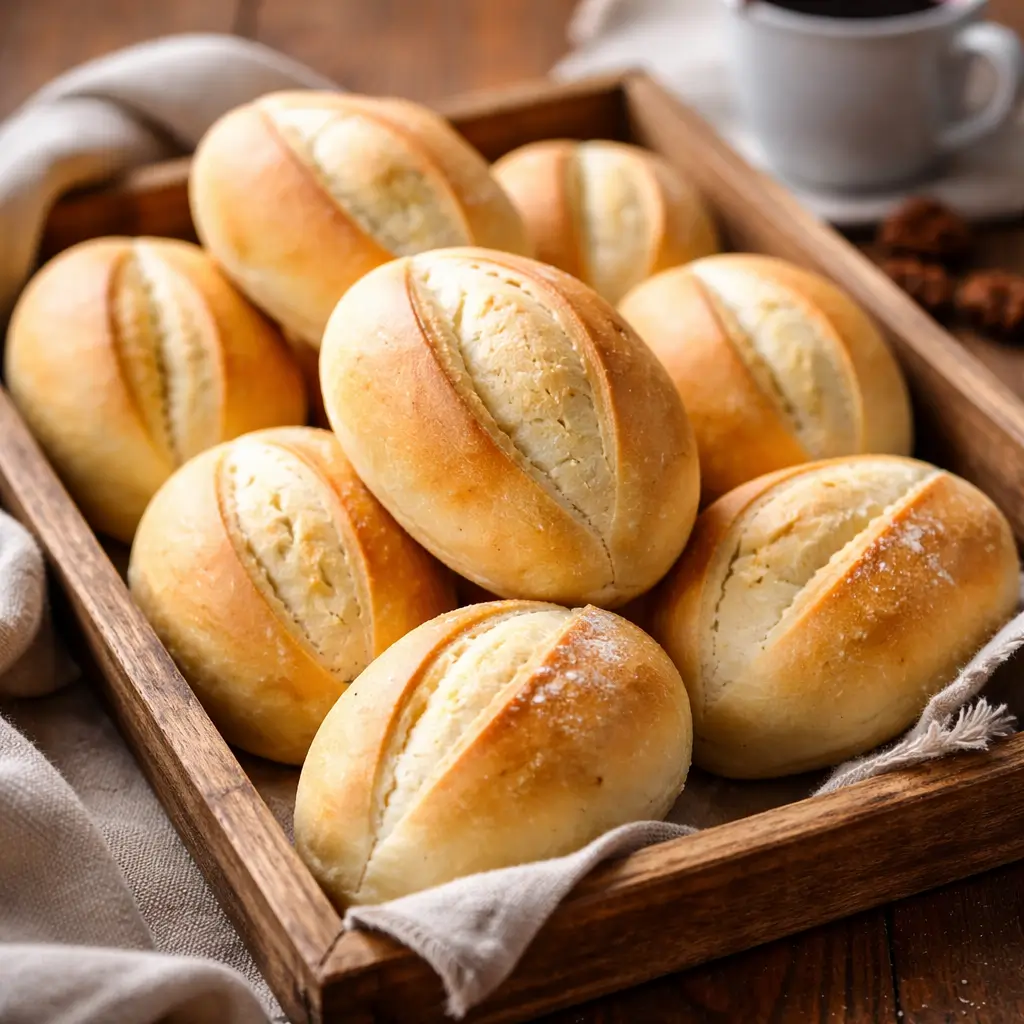
Avoid overbaking. Pan francés should be lightly golden, not dark brown. Overbaking will harden the crust and dry out the crumb, moving it away from the traditional peruvian pan frances recipe texture. Remove the bread as soon as it sounds hollow when tapped.
Finally, let the bread cool slightly before eating. This short rest sets the crumb while preserving the soft interior that defines an authentic peruvian pan frances recipe.
Common Mistakes to Avoid When Making Pan Francés
Even with a good peruvian pan frances recipe, small mistakes can affect the final result. One common issue is using water that is too hot. Hot water can kill the yeast, preventing proper rise and leading to dense bread. Always use warm, not steaming, water when starting your peruvian pan frances recipe.
Another mistake is adding too much flour during kneading. While the dough should not be sticky, adding excess flour makes the bread heavy and dry. A correct peruvian pan frances recipe dough should feel soft and slightly elastic.
Skipping the second rise is also a problem. This resting period allows the gluten to relax and helps create the light crumb that defines a true peruvian pan frances recipe. Rushing this step often results in tight, compact bread.
Lastly, baking too long or at too low a temperature will ruin the texture. The goal of a peruvian pan frances recipe is a thin crust and fluffy interior, not a crunchy roll. Careful timing makes all the difference.
Traditional Shapes and Sizes of Pan Francés
A defining feature of an authentic peruvian pan frances recipe is how the bread is shaped. In Peru, pan francés is rarely large. Instead, it is formed into small rolls or short, narrow loaves that are easy to hold and eat in one sitting.
The most common shape is an oval roll, slightly pointed at the ends. This shape helps the bread bake evenly and creates the soft interior that a peruvian pan frances recipe is known for. Some bakeries shape the dough into mini baguette style pieces, but they are always much shorter and lighter than traditional French bread.
Size also matters. Each piece is usually portioned at around 60 to 80 grams of dough. This keeps the crumb airy and prevents the crust from becoming too thick. When shaping your peruvian pan frances recipe at home, gentle handling is important. Pressing out too much air will reduce softness.
By keeping the shapes small and simple, you stay true to the everyday style of a traditional peruvian pan frances recipe.
How Pan Francés Is Traditionally Served in Peru
In everyday Peruvian life, a peruvian pan frances recipe is meant to be enjoyed fresh, often within hours of baking. Most people buy pan francés in the morning and eat it the same day, rarely storing it overnight. Freshness is a big part of its appeal.
At breakfast, pan francés is commonly sliced open and spread with butter, margarine, or jam. It is often paired with coffee, tea, or hot chocolate. For lunch, a peruvian pan frances recipe becomes the base for simple sandwiches filled with ham, cheese, avocado, or fried eggs. Street vendors and small cafés rely on this bread for quick, affordable meals.
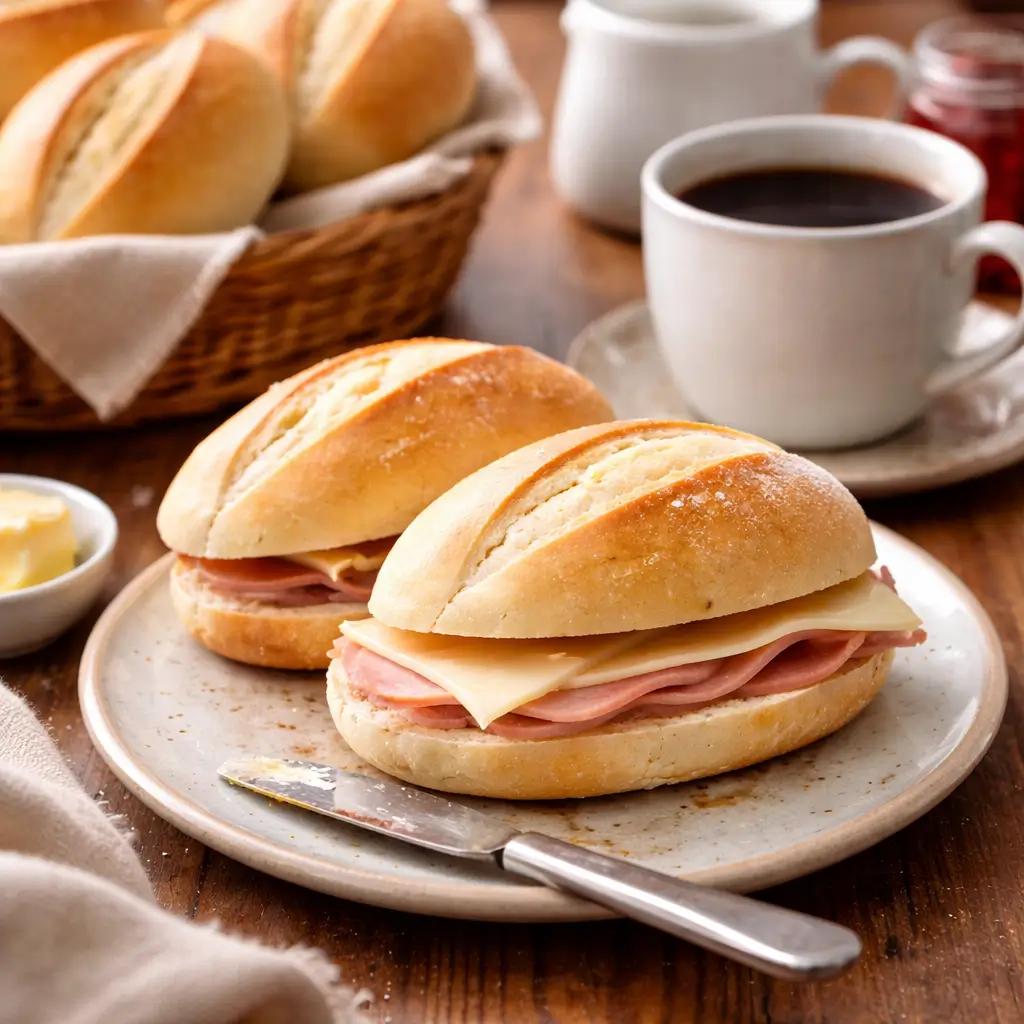
Pan francés is also served alongside soups and stews. Its light texture makes it perfect for dipping without overpowering the dish. Because the flavor is mild, a peruvian pan frances recipe adapts easily to many meals, which explains why it remains a daily staple rather than an occasional treat.
Popular Variations of Peruvian Pan Francés
While the classic peruvian pan frances recipe stays simple, there are several popular variations found across Peru. These versions keep the same light structure but introduce small changes based on regional preference or bakery style.
One common variation includes a small amount of sugar in the dough. This does not make the bread sweet, but it slightly enhances browning and yeast activity. Another peruvian pan frances recipe variation replaces oil with vegetable shortening, which produces an even softer crumb and a paler crust.
In some areas, bakers slightly adjust hydration levels to create a more open interior. A higher water content leads to lighter bread, but it requires careful handling. Whole wheat versions exist as well, though they are less traditional and slightly denser than the standard peruvian pan frances recipe.
Despite these variations, the goal remains the same: soft, airy bread meant to be eaten fresh. Each variation reflects local taste while staying true to the identity of a traditional peruvian pan frances recipe.
Storage and Freshness Tips
A traditional peruvian pan frances recipe is designed for same day enjoyment, so storage is minimal by design. In Peru, pan francés is rarely wrapped tightly or refrigerated because moisture buildup quickly softens the crust and dulls flavor.
If you need to store bread made from a peruvian pan frances recipe, keep it at room temperature in a paper bag for up to 24 hours. This allows the bread to breathe while preventing it from drying too fast. Plastic bags should be avoided unless the bread is already completely cooled and you plan to reheat it briefly.
Freezing is an option if necessary. Wrap the bread tightly and freeze as soon as it cools. To restore texture, reheat directly from frozen in a hot oven for a few minutes. This method helps revive the softness and light crust expected from a peruvian pan frances recipe, making it enjoyable even after storage.
Why This Bread Is Different From French Bread
Although the name suggests otherwise, a peruvian pan frances recipe produces bread that is very different from traditional French bread. French baguettes are known for their thick, crackly crust and chewy interior. Pan francés, on the other hand, focuses on softness and lightness.
The biggest difference lies in hydration and fat. A peruvian pan frances recipe usually includes a small amount of oil or shortening, which softens the crumb and keeps the crust thin. French bread typically contains no fat, resulting in a firmer bite and louder crust.
Fermentation time also varies. Pan francés is often made with shorter fermentation, producing a mild flavor rather than the complex, tangy notes found in French bread. This neutral taste allows a peruvian pan frances recipe to pair easily with both sweet and savory foods.
Understanding these differences helps set expectations. When you bake pan francés, the goal is not crunch or chew it’s softness, freshness, and everyday comfort.
How to Adapt This Recipe for Home Ovens
A peruvian pan frances recipe is traditionally baked in professional bakery ovens, but it adapts well to standard home ovens with a few adjustments. The key is recreating the heat and moisture conditions that allow the bread to rise quickly without forming a thick crust.
Preheat your oven fully before baking. A hot oven gives the peruvian pan frances recipe its initial lift, which creates the soft interior. If your oven runs cool, allow extra preheating time to ensure stable temperature. Position the rack in the middle for even airflow.
To simulate bakery steam, place a metal pan on the bottom rack and add hot water just before baking. This step is especially helpful for achieving the signature thin crust associated with a peruvian pan frances recipe. Avoid opening the oven door during the first 10 minutes, as heat loss can reduce oven spring.
With proper heat, steam, and timing, a home oven can produce results very close to an authentic peruvian pan frances recipe.
Nutritional Overview and Everyday Balance
A traditional peruvian pan frances recipe is simple, which also makes its nutritional profile straightforward. It is primarily a source of carbohydrates, providing quick energy that fits well into an active daily routine. Because it contains little fat and no added sugar in its classic form, pan francés is lighter than many enriched breads.
Most calories in a peruvian pan frances recipe come from flour, with small contributions from oil and yeast. This makes it easy to pair with protein rich or fiber rich foods such as eggs, cheese, beans, or vegetables. In Peru, this balance is part of everyday eating habits rather than a strict dietary plan.
Portion size is another advantage. Pan francés rolls are small, which helps with moderation. When enjoyed fresh and paired thoughtfully, a peruvian pan frances recipe can be part of a balanced diet without feeling heavy or overly filling. Its simplicity allows you to control what you add to it, making it flexible for many lifestyles.
Why You Should Try This Peruvian Pan Francés Recipe at Home
Making a peruvian pan frances recipe at home is not just about baking bread it’s about experiencing a piece of everyday Peruvian culture. This bread is simple, comforting, and designed to be shared fresh, which makes it especially rewarding for home bakers.
One reason to try a peruvian pan frances recipe is its approachability. The ingredients are common, the technique is straightforward, and the results are reliable when you follow the steps carefully. You don’t need special equipment or advanced baking skills to achieve a soft crumb and thin crust.
Another benefit is freshness. Store bought bread rarely matches the taste and texture of pan francés eaten shortly after baking. By preparing your own peruvian pan frances recipe, you control quality, portion size, and timing.
Finally, this bread fits naturally into many meals. Whether for breakfast, sandwiches, or alongside soups, mastering a peruvian pan frances recipe adds a versatile, authentic bread to your home baking routine.
How This Recipe Fits Modern Home Cooking
A peruvian pan frances recipe works especially well for modern home cooks who want reliable results without complicated techniques. Unlike long fermented artisan breads, this recipe fits into a normal daily schedule and does not require overnight proofing or specialty flours.
What makes this bread practical today is its flexibility. You can prepare the dough in the morning and have fresh bread ready by lunchtime, or bake it in the evening for dinner. The mild flavor means it pairs easily with foods common in US kitchens, from eggs and cheese to soups and simple sandwiches.
Another advantage is consistency. Once you understand the dough texture and baking time, results are repeatable. You don’t need to chase complex flavors this bread is about softness and freshness. That simplicity is why the peruvian pan frances recipe remains relevant outside Peru.
For home cooks looking to expand their bread skills without frustration, this recipe offers a dependable introduction to international baking traditions.
Final Preparation Checklist Before Baking
Before placing your bread in the oven, taking a moment to review your process can greatly improve results. A peruvian pan frances recipe depends on timing and texture more than complex techniques, so small checks make a big difference.
First, confirm the dough has risen properly. It should look slightly puffy and spring back slowly when pressed. Under proofed dough will be dense, while over proofed dough may collapse. For a successful peruvian pan frances recipe, aim for a balanced rise where the dough still feels alive.
Next, review shaping. Pieces should be even in size to ensure consistent baking. Handle the dough gently to preserve air pockets, which are essential for the soft crumb expected from a peruvian pan frances recipe.
Finally, make sure the oven is fully preheated and steam is ready if you are using it. Once baked, allow the bread to cool briefly before serving. These final checks help ensure your peruvian pan frances recipe delivers authentic texture and everyday bakery style quality.
When and How to Enjoy Pan Francés at Its Best
Timing plays an important role in enjoying pan francés the way it is meant to be eaten. A peruvian pan frances recipe is at its absolute best within a few hours of baking, when the interior is still warm and the crust remains thin and tender.
For the best experience, plan to serve the bread shortly after it cools enough to handle. This is when the crumb is soft and aromatic, and the flavor feels fresh and clean. If you are serving pan francés with a meal, slice it just before eating rather than in advance. This helps preserve moisture and texture.
If reheating is necessary, use a hot oven for a few minutes rather than a microwave. This method helps restore the gentle crust and prevents the bread from becoming chewy. Enjoyed fresh, simply prepared, and thoughtfully paired, a peruvian pan frances recipe delivers the everyday comfort that has made it a staple in Peruvian homes for generations.
Conclusion
Pan francés is a perfect example of how simple ingredients can create something deeply satisfying when handled with care. This everyday Peruvian bread is not about complexity or decoration, but about freshness, softness, and balance. By understanding the dough, respecting fermentation, and baking with proper heat and steam, you can recreate bakery style results at home with confidence. The recipe fits easily into modern kitchens while staying true to its cultural roots.
Whether eaten warm with butter at breakfast, filled for a quick sandwich, or served alongside soup, pan francés adapts naturally to daily meals. Its light texture and mild flavor make it approachable for beginners and rewarding for experienced bakers. Most importantly, this bread encourages mindful baking enjoyed fresh, shared simply, and appreciated for what it is. Mastering pan francés adds a versatile, authentic staple to your home baking routine and offers a small but meaningful connection to Peruvian food culture through every bite.
FAQ
1. What makes Peruvian pan francés different from French bread?
Peruvian pan francés is softer, lighter, and smaller than traditional French bread. While French baguettes have a thick, crunchy crust and chewy interior, pan francés is designed to have a thin crust and airy crumb. It also usually includes a small amount of oil or shortening, which keeps it tender. The flavor is mild and neutral, making it ideal for everyday meals rather than artisanal presentation.
2. Can I make pan francés without special baking equipment?
Yes. You do not need professional ovens or tools. A standard home oven works well if fully preheated. Adding steam with a pan of hot water helps mimic bakery conditions. Proper kneading, proofing, and timing are more important than equipment. With attention to these steps, home bakers can achieve authentic results.
3. Why does my pan francés turn out too hard?
Hard pan francés is usually caused by overbaking, low oven temperature, or lack of steam. Baking too long dries the crumb and thickens the crust. Always bake at a high temperature and remove the bread once lightly golden. Steam during the first minutes of baking helps keep the crust thin.
4. How long does pan francés stay fresh?
Pan francés is best eaten the same day it is baked. At room temperature, it stays enjoyable for about 24 hours. After that, it begins to dry out. Freezing is an option if needed, and reheating in the oven can restore some softness.
5. Can I add whole wheat flour to the recipe?
You can, but it will change the texture. Whole wheat flour makes the bread denser and less airy. For best results, replace only a small portion of the white flour. This keeps the bread closer to traditional pan francés while adding extra fiber.
Follow us on Facebook
peruvian pan frances recipe
Ingredients
Equipment
Method
- Dissolve yeast in warm water and let foam for 5 minutes.
- Mix flour and salt in a bowl.
- Add yeast mixture and oil; mix until dough forms.
- Knead until smooth and elastic, about 8–10 minutes
- Cover and let rise until doubled, about 1 hour.
- Divide dough, shape into small rolls, and rest 10 minutes.
- Bake at 425°F until lightly golden, about 12–15 minutes.